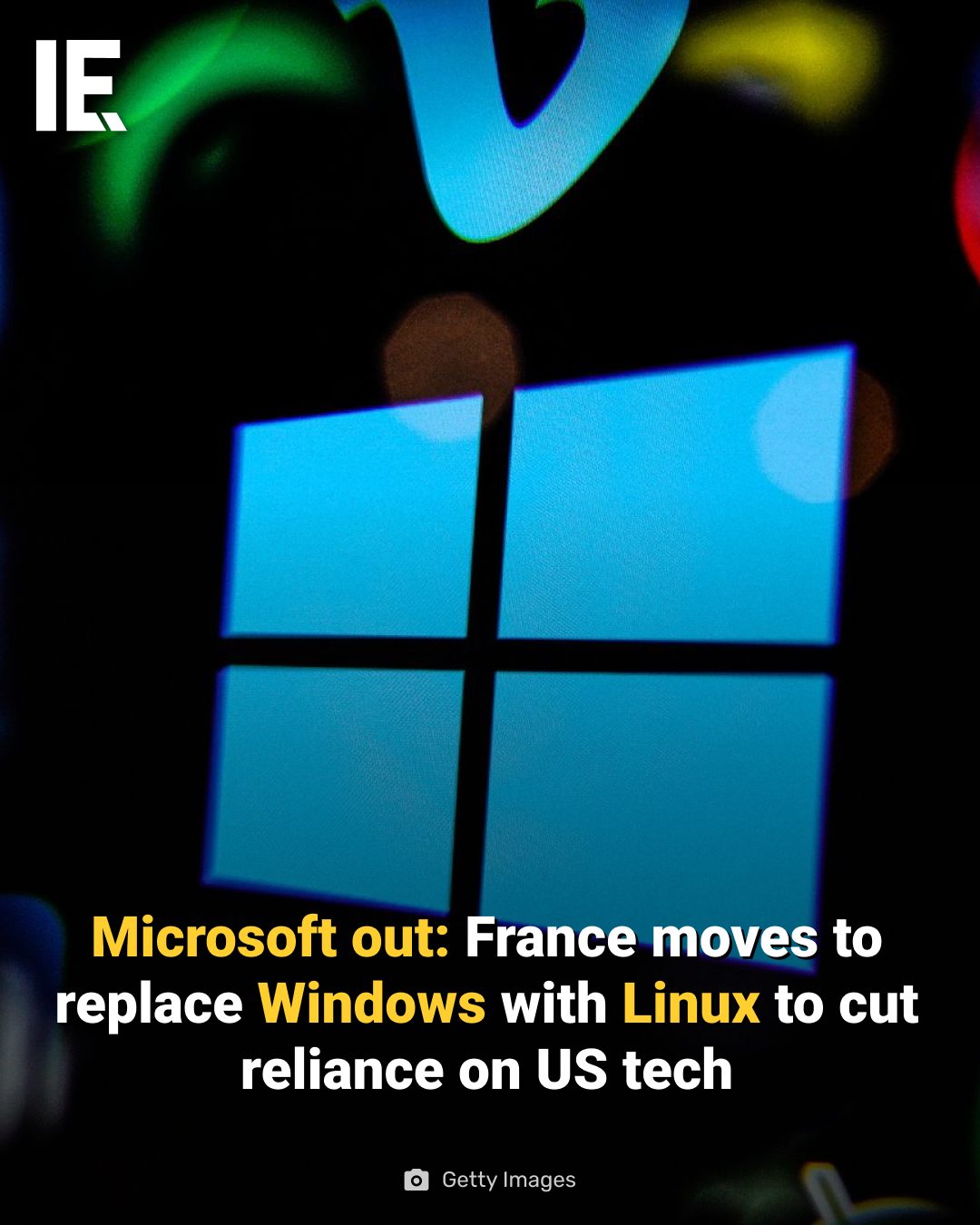
France's Transition from Microsoft Windows to Linux
France is making a significant shift in its digital infrastructure by transitioning from Microsoft Windows to Linux. This move is driven by a strategic goal to reduce reliance on U.S. technology, reflecting a broader trend in digital sovereignty.
Context: Why This Matters
In an era where digital sovereignty is increasingly paramount, governments worldwide are reevaluating their technology dependencies. France's decision to replace Windows with Linux is a clear indication of this trend, as it aims to lessen its dependence on U.S. technology and enhance its digital autonomy.
Main Discussion
The Push for Digital Sovereignty
Digital sovereignty refers to a nation's ability to control its digital infrastructure and data. For France, this means reducing reliance on foreign technology, particularly from the U.S., and embracing open-source solutions. This shift is not just about technology but also about security, data privacy, and economic independence.
Microsoft Windows vs. Linux: A Comparative View
Ecosystem and Compatibility
Microsoft Windows has long been the dominant operating system for both personal and enterprise use. Its extensive ecosystem of software, hardware compatibility, and user-friendly interface have made it a staple in many organizations. However, Linux, with its open-source nature and customizable features, offers a flexible and secure alternative.
Security and Privacy
Linux is renowned for its enhanced security features. Because it is open-source, vulnerabilities can be identified and patched more quickly than in proprietary systems like Windows. This makes Linux a more secure option, particularly for government and military applications where data security is paramount.
Cost and Licensing
One of the most significant advantages of Linux is its cost-effectiveness. As an open-source platform, Linux is free to use and modify, unlike Windows, which requires licensing fees. This cost saving is substantial, especially for large-scale government operations.
Community and Support
Microsoft offers a comprehensive support system with dedicated customer service and extensive documentation. Linux, on the other hand, relies heavily on its community for support. While this can be a double-edged sword—with abundant resources but sometimes inconsistent quality—it also fosters a culture of collaboration and shared knowledge.
France's Strategic Move
France's transition from Windows to Linux is part of a broader strategy to increase its digital independence. By adopting Linux, France aims to:
- Enhance Security: Linux's open-source nature allows for quicker identification and resolution of security vulnerabilities.
- Reduce Costs: Eliminating licensing fees associated with Windows can result in significant cost savings.
- Promote Digital Sovereignty: By relying less on foreign technology, France can better control its digital infrastructure and data.
Practical Tips for Organizations Considering the Switch
If you're an organization considering a move from Windows to Linux, here are some practical tips to ensure a smooth transition:
1. Assess Your Needs
Understand your organization's specific requirements. Different Linux distributions cater to various needs, such as Ubuntu for general use, CentOS for enterprise environments, and Debian for stability.
2. Training and Support
Ensure that your staff is adequately trained. Linux has a different learning curve compared to Windows, and having knowledgeable support can make the transition smoother. Consider hiring Linux experts or providing comprehensive training programs.
3. Phased Implementation
A phased approach allows for a smoother transition. Start with non-critical systems and gradually move to more critical applications. This way, any issues can be addressed without disrupting critical operations.
4. Compatibility Testing
Ensure that all your software and hardware are compatible with the chosen Linux distribution. Some proprietary software may not run on Linux, so you may need to find alternatives or use compatibility layers like Wine.
5. Security Protocols
Implement robust security protocols from the start. Regular updates, security patches, and intrusion detection systems are crucial for maintaining a secure Linux environment.
Important Takeaways
- Reduced Dependence: Transitioning to Linux can reduce reliance on foreign technology, enhancing digital sovereignty.
- Enhanced Security: Linux's open-source nature offers better security features and quicker vulnerability resolution.
- Cost Efficiency: Linux eliminates licensing fees, resulting in significant cost savings.
- Flexibility and Customization: Linux allows for extensive customization, making it suitable for various organizational needs.
Conclusion
France's move from Microsoft Windows to Linux is a strategic decision aimed at enhancing digital sovereignty, improving security, and reducing costs. As other governments and organizations consider similar shifts, understanding the benefits and challenges of Linux is crucial. By carefully planning and implementing the transition, organizations can achieve a more secure, cost-effective, and independent digital infrastructure.
Watch the Reel
Questions readers ask
Why is France moving from Microsoft Windows to Linux?
France is transitioning from Microsoft Windows to Linux to enhance its digital sovereignty. This shift aims to reduce dependence on U.S. technology, improve data security, and gain better control over its digital infrastructure. By using an open-source platform, France can also benefit economically.
What are the main benefits of using Linux over Windows for governments?
Linux offers several advantages for governments, including enhanced security, better data privacy, and reduced long-term costs. Open-source platforms like Linux allow for greater customization and control, which is crucial for maintaining digital sovereignty and reducing reliance on foreign technology.
How does Linux help in reducing U.S. technology dependence?
By adopting Linux, France can decrease its reliance on U.S.-based technology providers like Microsoft. This shift allows France to build and maintain its own digital infrastructure, ensuring greater autonomy and control over its data and systems. This is a strategic move to bolster digital sovereignty.
What specific security advantages does Linux offer?
Linux is renowned for its robust security features, making it an attractive choice for governments. Its open-source nature allows for continuous monitoring and quick patching of vulnerabilities. Additionally, Linux's architecture is designed to minimize security risks, offering a more secure environment for sensitive data.
What are the economic benefits of transitioning to Linux?
Transitioning to Linux can lead to significant cost savings. Open-source software reduces licensing fees and long-term maintenance costs associated with proprietary software. Additionally, the ability to customize and control the software can lead to more efficient and cost-effective digital services.
What role does digital sovereignty play in France's transition to Linux?
Digital sovereignty is a key driver behind France's transition to Linux. It enables France to have greater control over its digital infrastructure, ensuring that data and systems are secure and independent of foreign influence. This move aligns with broader global trends where nations seek to enhance their digital autonomy.
How does the open-source nature of Linux benefit government operations?
The open-source nature of Linux allows governments to customize the software to meet specific needs, ensuring better integration with existing systems. It also fosters transparency and collaboration, as the code can be reviewed and improved by a global community of developers, enhancing both security and functionality.
Related deep dives
Similar reads based on topic and creator.


Recent articles
Fresh deep dives from the latest Reels we unpacked.




Comments
Be the first to comment.