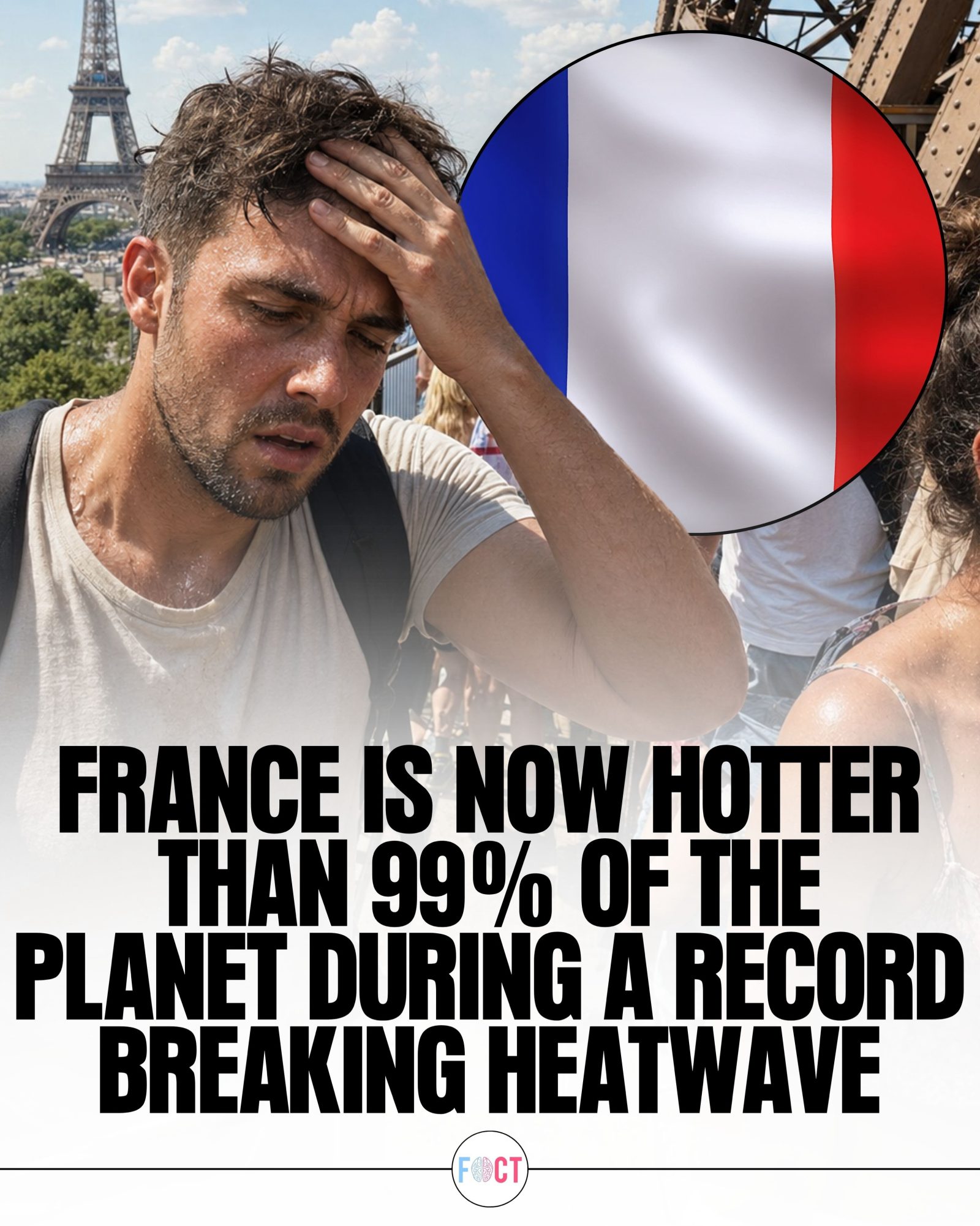
Heatwave in France: Record Temperatures and Safety Measures
France is currently experiencing an intense heatwave, with temperatures soaring to a record-breaking 111.7°F (44.3°C). This extreme heat has led to the shattered hundreds of temperature records and triggered the highest “red alert” level across dozens of departments. The severity of this heatwave has caught both tourists and locals off guard, primarily because air conditioning is still relatively rare in French homes, schools, cafés, and public buildings.
Context / Why this matters
The current heatwave is not just a brief period of discomfort; it's a serious event with significant implications for public health and safety. Understanding the scope and impact of this heatwave is crucial for anyone visiting or living in France during this period. The extreme temperatures pose risks that require immediate attention and specific precautions.
Main discussion
The Unprecedented Heat
France is currently hotter than 99% of the planet, a stark indicator of the unprecedented nature of this heatwave. The Eiffel Tower, an iconic symbol of Paris, has become a backdrop to scenes of people sweating and struggling in the extreme heat. This level of heat is unusual for the region, and it has pushed the limits of infrastructure and public services.
Impact on Daily Life
The lack of widespread air conditioning in France means that many people are experiencing the heatwave in unprepared environments. Homes, schools, and public buildings are not equipped to handle such extreme temperatures, making daily life challenging. The heat has disrupted normal activities, and public spaces have become less accessible, with people opting to stay indoors during the hottest hours of the day.
Public Health Concerns
The extreme heat poses significant health risks, particularly for vulnerable populations such as the elderly and young children. Officials have issued urgent advice to help mitigate these risks. They recommend drinking more water than you feel thirsty for, staying indoors during the hottest afternoon hours, and regularly checking on elderly neighbors and family members. Additionally, people are warned to swim only in supervised areas after a rise in drownings and never to leave children or pets in parked cars.
Tourism and Local Economy
Tourists have been particularly surprised by the severity of the heatwave, as France is not typically known for such extreme temperatures. This unexpected weather pattern has disrupted travel plans and outdoor activities, impacting the local economy that relies heavily on tourism. Local businesses, especially those in the hospitality sector, have had to adapt quickly to ensure the comfort and safety of their customers.
Practical Tips
-
Stay Hydrated: Drink more water than you feel thirsty for. Dehydration can set in quickly in high temperatures, and it's essential to replenish fluids regularly.
-
Seek Shade: Stay indoors during the hottest hours of the day, typically between noon and 4 PM. If you must be outdoors, seek shaded areas and avoid direct sunlight.
-
Check on Vulnerable Individuals: Regularly check on elderly neighbors, family members, and pets. Ensure they have access to cool environments and plenty of water.
-
Water Safety: If you plan to swim, do so only in supervised areas. The risk of drowning increases during heatwaves, and it's crucial to follow safety guidelines.
-
Avoid Leaving Children and Pets in Cars: Even for a short period, the temperature inside a parked car can rise rapidly, posing a severe risk to children and pets.
Important Takeaways
-
Extreme Heat is Dangerous: The current heatwave in France is a reminder of the potential dangers of extreme heat. It's essential to take the necessary precautions to stay safe.
-
Community Support is Crucial: During such events, community support is vital. Check on your neighbors, especially those who may be more vulnerable to the heat.
-
Infrastructure Limitations: The lack of widespread air conditioning in France highlights the need for better infrastructure to handle extreme weather events.
-
Public Safety Measures: Following official advice and safety measures can significantly reduce the risks associated with a heatwave.
Conclusion
The heatwave in France is a significant event that requires attention and precaution. By understanding the impact of extreme heat and following safety guidelines, individuals can protect themselves and their communities. Whether you're a local or a tourist, staying informed and prepared is key to navigating this challenging period.
Watch the Reel
Questions readers ask
What is the highest temperature recorded during the current heatwave in France?
The highest temperature recorded during the current heatwave in France is 111.7°F (44.3°C) which is also the highest temperature on record.
What does the 'red alert' level mean during a heatwave in France?
The 'red alert' level is the highest alert issued by authorities, indicating extreme heat that poses significant risks to health and safety. This level prompts immediate action to protect vulnerable populations.
What are the health risks associated with extreme heat?
Extreme heat can lead to dehydration, heat exhaustion, heatstroke, and even death. It can exacerbate pre-existing conditions such as heart disease and respiratory issues.
Why is the current heatwave in France particularly challenging?
The current heatwave has been challenging because air conditioning is not widely available in many French homes, schools, and public buildings, leaving many people without relief from the extreme temperatures.
What are some daily life impacts of the heatwave in France?
The heatwave has disrupted daily life by affecting infrastructure, such as causing delays and cancellations in transportation, and prompting local authorities to issue advisories and safety measures.
What measures can be taken to stay safe during a heatwave in France?
To stay safe, people should stay indoors during the hottest part of the day, stay hydrated, avoid strenuous activities, and check on vulnerable neighbors. Additionally, wearing lightweight clothing and using fans or cool showers can help mitigate the effects of the heat.
Recent articles
Fresh deep dives from the latest Reels we unpacked.




Comments
Be the first to comment.