Influencer Marketing & Fast Fashion
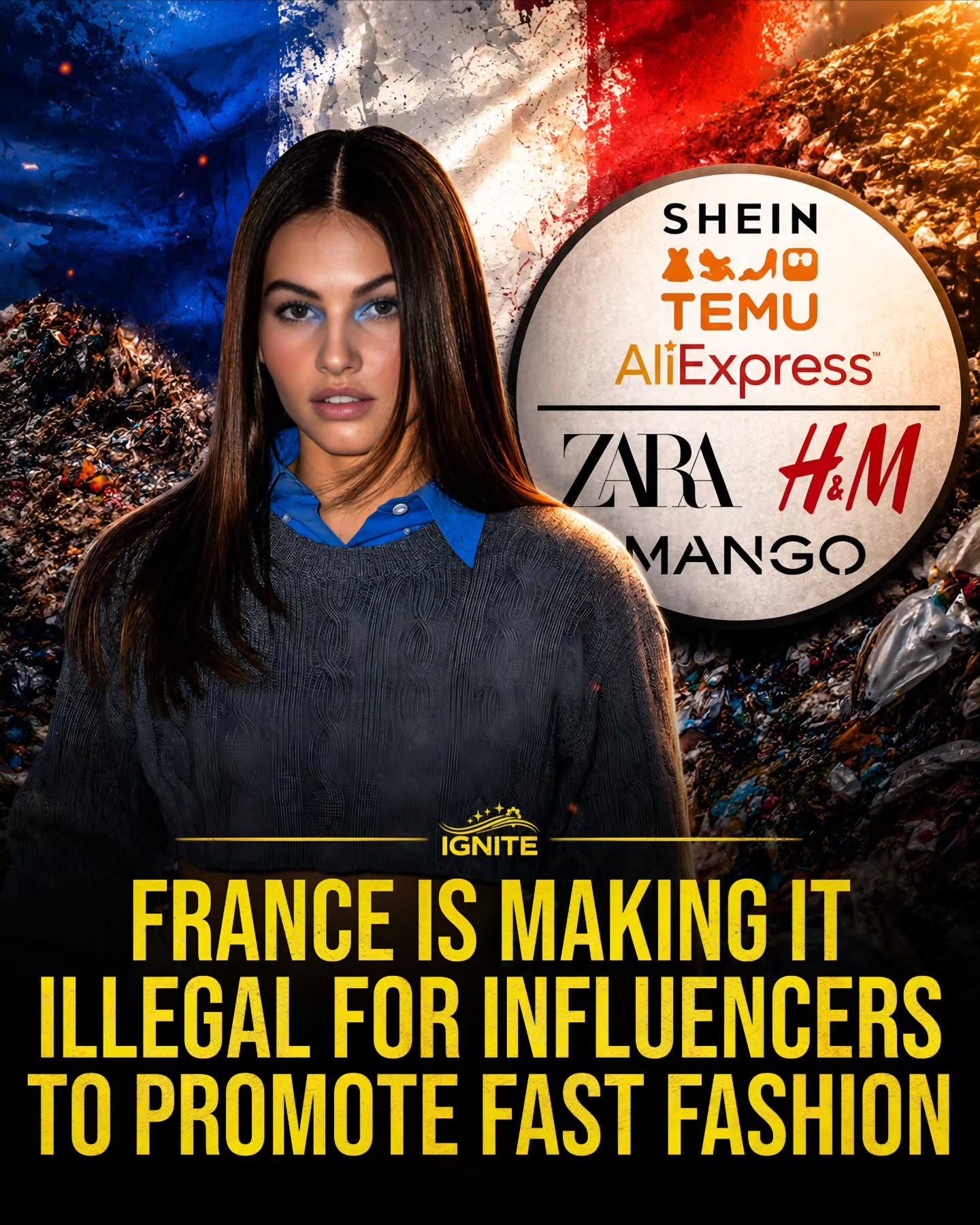
France’s recent move to regulate influencer marketing, especially concerning fast fashion brands, has sparked significant conversation within the fashion and marketing industries. This shift is part of a broader effort to address the environmental and social impacts of fast fashion, which has long dominated the retail landscape. Brands like Zara, SHEIN, H&M, and Mango have been at the forefront of this industry, and their promotion through influencer marketing is now under scrutiny.
Context / Why this matters
France's decision to make it illegal for influencers to promote fast fashion brands is a response to growing concerns about sustainability and ethical consumption. Fast fashion, characterized by low-cost, trendy clothing produced rapidly and cheaply, has been criticized for its environmental and social impacts. The industry's reliance on cheap labor, often in developing countries, and its contribution to textile waste and pollution have raised serious ethical and environmental questions. By targeting influencer marketing, France aims to curb the relentless cycle of consumption and encourage more mindful purchasing habits.
Main discussion
France is implementing new regulations regarding influencer marketing, specifically targeting the promotion of fast fashion brands. This regulatory change is part of a broader effort to mitigate the negative impacts of fast fashion, such as environmental degradation and labor exploitation.
Fast fashion brands, including SHEIN, AliExpress, Zara, H&M, and Mango, have long relied on influencer marketing to drive sales. Influencers, with their large followings and persuasive content, have been instrumental in promoting these brands, often showcasing trendy, affordable clothing to their audiences. However, this promotional strategy has come under fire due to its contribution to overconsumption and the environmental and social costs of fast fashion.
The Environmental Impact of Fast Fashion
Fast fashion’s environmental footprint is substantial. The industry is a major contributor to textile waste, with millions of tons of clothing ending up in landfills each year. Additionally, the production of fast fashion garments often involves the use of synthetic materials and chemicals that pollute waterways and contribute to global warming. The rapid turnover of trends and the low cost of clothing have encouraged a culture of disposable fashion, where clothes are quickly discarded and replaced with new items. This cycle is unsustainable and harmful to the environment.
The Social Impact of Fast Fashion
The social impact of fast fashion is equally concerning. The industry’s reliance on cheap labor often leads to exploitative working conditions and low wages for workers, particularly in developing countries. These conditions have been linked to various human rights abuses, including child labor, unsafe working environments, and inadequate compensation. By promoting fast fashion, influencers indirectly support these practices, raising ethical questions about their role in the industry.
Practical tips
For influencers and consumers alike, navigating the world of fast fashion requires a thoughtful approach. Here are some practical tips to promote more sustainable and ethical consumption:
Sustainability Tips for Influencers
- Promote Sustainable Brands: Shift your focus to promoting sustainable and ethical fashion brands. These brands prioritize eco-friendly materials, fair labor practices, and transparency in their supply chains.
- Educate Your Audience: Use your platform to educate your followers about the environmental and social impacts of fast fashion. Encourage them to make more conscious purchasing decisions.
- Advocate for Transparency: Work with brands that are transparent about their production processes and labor practices. Advocate for greater transparency within the industry.
Tips for Consumers
- Buy Less, Buy Better: Invest in high-quality, durable pieces that will last longer and reduce the need for frequent replacements.
- Support Ethical Brands: Research and support brands that prioritize sustainability and ethical practices. Look for certifications and labels that indicate a brand’s commitment to these values.
- Repurpose and Repair: Extend the life of your clothing by repurposing and repairing items rather than discarding them. Consider donating or selling items you no longer wear.
Important takeaways
France’s new regulations on influencer marketing of fast fashion brands highlight the urgent need for change in the fashion industry. The environmental and social impacts of fast fashion are significant, and it is crucial for both influencers and consumers to take responsibility for their role in promoting and supporting this industry.
By promoting sustainable and ethical fashion brands, educating audiences, and advocating for transparency, influencers can play a pivotal role in driving positive change. Similarly, consumers can make a difference by making conscious purchasing decisions, supporting ethical brands, and extending the life of their clothing through repurposing and repair.
Conclusion
The fashion industry is at a crossroads, with growing pressure to address the environmental and social impacts of fast fashion. France’s decision to regulate influencer marketing is a significant step in the right direction, urging both influencers and consumers to rethink their approach to fashion. By embracing sustainability and ethical practices, we can create a more responsible and conscious fashion industry that benefits both people and the planet.
Watch the Reel
Questions readers ask
What led to France's decision to ban influencers from promoting fast fashion brands?
France implemented this ban in response to increasing concerns about the environmental and social impacts of fast fashion. The industry's rapid production and disposal of low-cost clothing contribute to substantial waste and environmental degradation, prompting the need for more sustainable consumption habits.
Which brands are primarily affected by this new regulation?
Major fast fashion brands like Zara, SHEIN, H&M, and Mango are among the most affected by this ban. These companies rely heavily on influencer marketing to promote their rapidly produced, trendy clothing lines.
What are the environmental impacts of fast fashion?
Fast fashion significantly contributes to textile waste, pollution from production processes, and excessive carbon emissions. The constant cycle of producing and disposing of cheap clothing strains natural resources and exacerbates climate change.
How does this ban aim to influence consumer behavior?
The ban seeks to encourage more mindful consumption by discouraging the promotion of fast fashion. By limiting the influence of social media personalities, France hopes to reduce the appeal of disposable fashion and promote sustainable alternatives.
What alternatives are there to fast fashion for consumers and influencers?
Consumers and influencers can explore sustainable brands that focus on ethical production and durable materials. Supporting second-hand markets, thrift stores, and sustainable fashion lines can help reduce the environmental footprint of clothing choices. Additionally, influencers can promote slower fashion trends and advocate for eco-conscious practices.
How might this ban impact the influencer marketing industry in France?
The ban will likely push influencers to diversify their partnerships, focusing more on sustainable and ethical brands. This shift could open new opportunities for collaboration with eco-friendly companies, driving the industry towards more responsible marketing strategies.
Related deep dives
Similar reads based on topic and creator.


Recent articles
Fresh deep dives from the latest Reels we unpacked.




Comments
Be the first to comment.