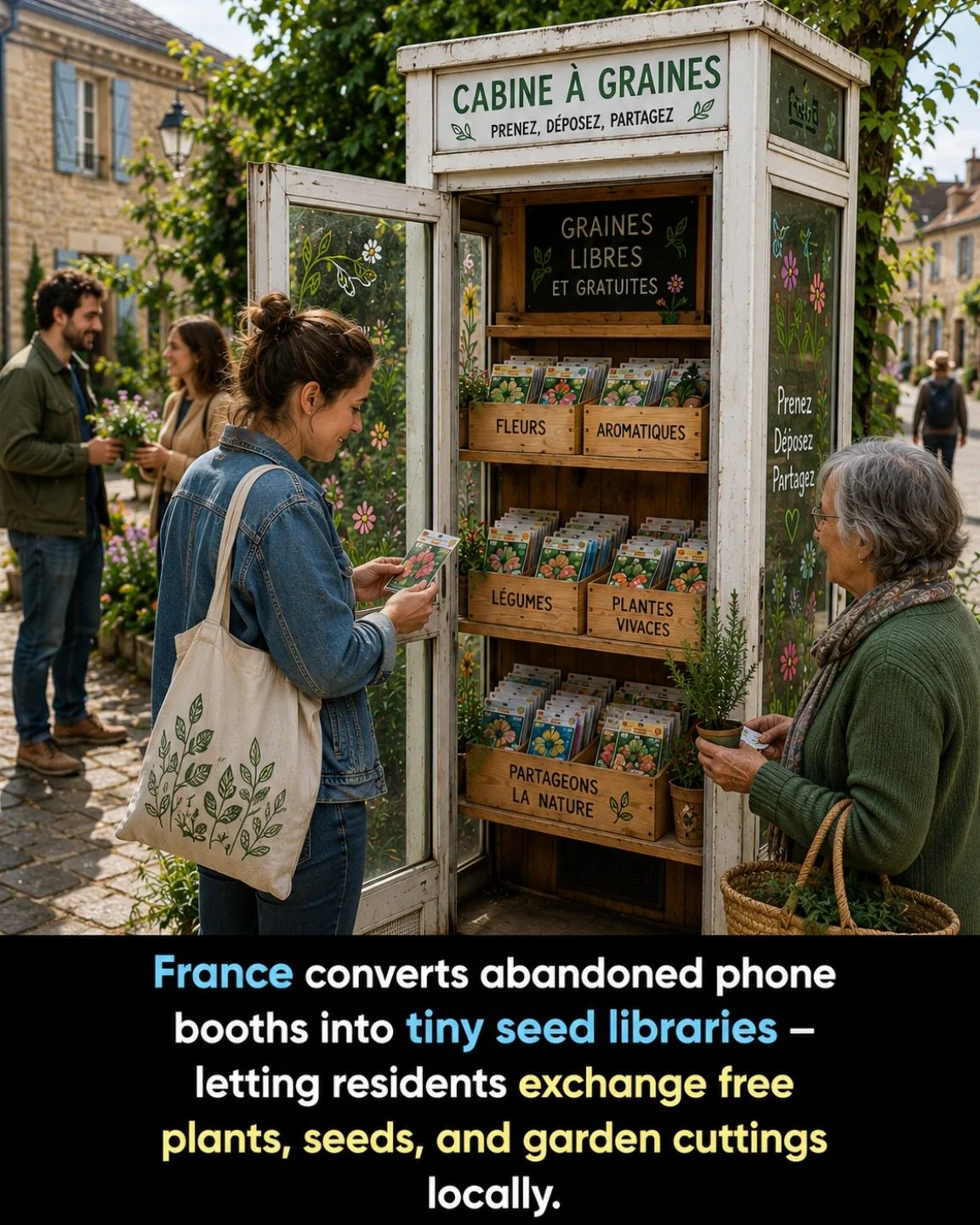
Seed Libraries: A Unique Urban Gardening Initiative in France
In France, a creative initiative has brought new life to abandoned phone booths by transforming them into seed libraries. This innovative concept allows residents to freely exchange plants, seeds, and garden cuttings, fostering a sense of community and shared natural resources.
Why This Matters
Urban gardening has gained significant popularity in recent years as people seek to cultivate greener environments within dense cityscapes. Seed libraries contribute to this movement by providing easy access to a variety of plants and seeds, encouraging residents to engage in gardening and cultivate their own green spaces.
The transformation of old telephone booths into seed libraries not only promotes sustainability but also rejuvenates decaying urban infrastructure. By turning these abandoned structures into community hubs, cities can breathe new life into their landscapes while promoting environmental stewardship.
Main Discussion
The Concept of Seed Libraries
Seed libraries operate on the principle of community sharing. They provide a space where gardeners can deposit seeds they have harvested from their own gardens and take seeds they need for their own planting. This system ensures that a wide variety of plant species are available for cultivation, promoting biodiversity within urban areas.
In France, these seed libraries are housed in repurposed phone booths, which have been converted into small, accessible storage units. The booths are typically stocked with a variety of seeds, including flowers, aromatic herbs, vegetables, and perennials. This diversity ensures that gardeners can find everything they need to create vibrant and useful gardens.
Community Engagement
Community engagement is a cornerstone of the seed library initiative. By encouraging residents to participate in the exchange of seeds and plants, these libraries help build stronger community bonds. Gardeners can share their knowledge and experiences, fostering a sense of collective responsibility towards maintaining green spaces.
The seed libraries also promote sustainability by reducing the need for store-bought seeds, which often come with plastic packaging and can be costly. Instead, residents can access a variety of free, locally grown seeds, reducing their environmental footprint.
Benefits of Urban Gardening
Urban gardening offers numerous benefits beyond just aesthetic improvements. It can have a positive impact on mental health, providing a therapeutic outlet for residents. Engaging in gardening activities has been shown to reduce stress and anxiety, offering a calming and rewarding experience.
Additionally, urban gardening can improve air quality by increasing the number of green spaces in a city. Plants absorb carbon dioxide and release oxygen, contributing to cleaner air. They also help cool urban environments by providing shade and reducing the heat island effect.
Practical Tips
Starting an urban garden or participating in a seed library can be a rewarding experience. Here are some practical tips to help you get started:
Choose the Right Plants
When selecting plants for your urban garden, consider the amount of sunlight your space receives. Some plants thrive in full sun, while others prefer partial shade. Choose a variety of plants that will suit your specific conditions, including flowers, herbs, and vegetables.
Start Small
If you're new to gardening, starting with a small plot or container garden can be a good approach. This allows you to gain experience and confidence before taking on larger projects. You can always expand your garden as you become more comfortable with the process.
Join a Community
Joining a local gardening community or participating in a seed library can provide valuable support and resources. You can learn from experienced gardeners, share your own knowledge, and gain access to a variety of seeds and plants.
Maintain Your Garden
Regular maintenance is key to a thriving garden. Ensure that your plants receive adequate water, sunlight, and nutrients. Keep an eye out for pests and diseases, and address any issues promptly to maintain the health of your garden.
Important Takeaways
The seed library initiative in France showcases a creative and sustainable approach to urban gardening. By repurposing abandoned phone booths into community resource centers, France has created a unique way to promote community engagement, sustainability, and environmental stewardship. This initiative serves as an example of how cities can transform old infrastructure into valuable community assets, fostering greener and more connected urban environments.
Conclusion
Seed libraries offer a valuable resource for urban gardeners and communities. By providing access to a variety of free seeds and plants, these libraries encourage residents to cultivate their own green spaces, fostering sustainability and community engagement. Whether you're a seasoned gardener or just starting out, participating in a seed library can be a rewarding and enriching experience. Embrace the opportunity to green your urban environment and contribute to a more sustainable future.
Watch the Reel
Questions readers ask
What are France's community seed libraries and where are they located?
France's community seed libraries are repurposed abandoned phone booths scattered throughout urban areas. These small structures serve as local hubs where residents can freely exchange plants, seeds, and cuttings, promoting urban sustainability and community engagement.
How do seed libraries contribute to urban sustainability in France?
Seed libraries promote urban sustainability by encouraging residents to garden and cultivate green spaces in dense city landscapes. The free exchange of seeds and plants fosters biodiversity and reduces the need for store-bought plants, which often involve packaging and transportation.
Who can participate in the seed library initiative?
The seed library initiative is open to all residents in France who have access to these repurposed phone booths. Participation is free, and no special skills or equipment are required to take part in the community plant and seed exchange.
What types of plants and seeds can be found in a seed library?
Seed libraries offer a variety of plants and seeds suitable for urban gardening, including vegetables, herbs, flowers, and native plants. The specific selection can vary between locations, as it depends on the contributions from the local community.
What happens to the seeds and plants after they are taken from a seed library?
After being taken from a seed library, the seeds and plants are cultivated by the residents in their own gardens or green spaces. At the end of the growing season, residents are encouraged to collect seeds from their plants and return some to the seed library, ensuring the continuous exchange.
How are the abandoned phone booths maintained and supplied?
The maintenance and supply of the seed libraries are typically managed by community volunteers or local organizations. Residents are encouraged to contribute by donating seeds, plants, and time to help keep the libraries stocked and well-maintained.
Related deep dives
Similar reads based on topic and creator.
Recent articles
Fresh deep dives from the latest Reels we unpacked.




Comments
Be the first to comment.