Fox Insulation and Thermal Imaging
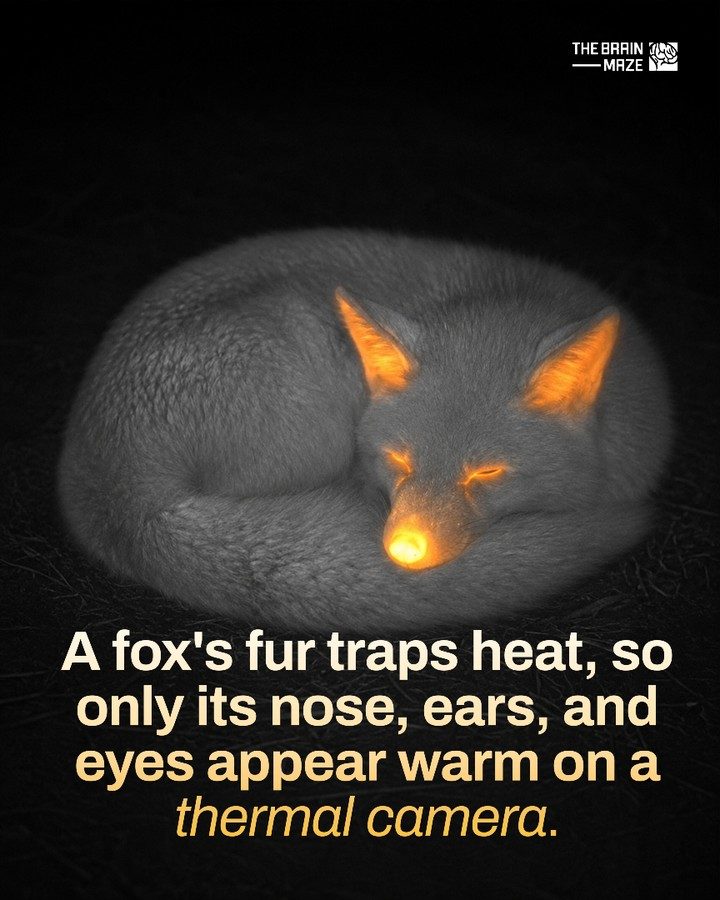
Thermal cameras reveal fascinating insights into the natural world, and a striking example is the way a fox's fur regulates its body heat. When viewed through a thermal camera, a sleeping fox shows a surprising heat signature.
Context / Why this matters
Understanding how animals like foxes adapt to their environments is crucial for appreciating the brilliance of natural insulation. As winter closes in, many animals face the challenge of maintaining body heat. The fox's thick winter fur is a remarkable example of nature's engineering, designed to keep the animal warm in freezing conditions. By trapping body heat, the fox's fur reduces the need for energy expenditure on warmth, which is essential for survival in harsh climates.
Main discussion
How Thermal Cameras Work
Thermal cameras detect heat signatures, allowing us to see variations in temperature. In the case of a fox, the camera highlights the most heat-sensitive areas: the nose, ears, and eyes. These extremities are less insulated and therefore appear warmer on a thermal image. Meanwhile, the fox’s fur-covered body appears dark, indicating that very little heat is escaping.
The Role of a Fox’s Fur
The fox's thick winter fur is an exceptional insulator. It traps body heat, creating a layer of warmth that keeps the animal comfortable in cold environments. This natural insulation is the result of millions of years of evolution, adapting the fox to survive in severe winter conditions.
Insulation and Energy Conservation
Insulation plays a critical role in energy conservation. By retaining body heat, the fox reduces the need for its body to produce more heat, conserving energy that would otherwise be used for metabolism. This efficiency is crucial for the fox's overall survival, especially in environments where food may be scarce.
Practical tips
Observing Animals with Thermal Cameras
For wildlife enthusiasts or researchers, thermal cameras offer a unique way to observe animals. By revealing heat signatures, these tools provide insights into how animals regulate their body temperature and adapt to their surroundings. This can be particularly useful for studying nocturnal or elusive species. However, it's essential to approach wildlife responsibly, ensuring that observations do not disturb or harm the animals.
Understanding Insulation in Nature
Nature offers countless examples of effective insulation. By studying these natural adaptations, we can gain insights into energy-efficient designs and sustainable technologies. For instance, the fox's fur can inspire the development of new insulating materials that trap heat just as effectively. Whether it's designing winter clothing or improving building insulation, nature provides valuable lessons in efficiency and sustainability.
Important takeaways
- Thermal cameras reveal the effectiveness of a fox's fur by showing where heat escapes, and how effectively the fur traps the rest.
- Natural insulation in animals is a result of millions of years of adaptation to harsh environments, such as thick winter fur in foxes.
- The fox’s nose, ears, and eyes are more insulated and therefore appear warmer on thermal images.
Conclusion
The use of thermal cameras to study animals, such as the fox, offers a unique perspective on how nature has adapted to extreme conditions. Understanding the mechanisms behind a fox's insulation provides valuable insights into energy efficiency and sustainable design. By appreciating the natural engineering of a fox’s fur, we can gain inspiration for creating more effective and environmentally friendly technologies.
Watch the Reel
Questions readers ask
How does a fox's fur help it survive cold winters?
A fox's thick fur is designed to trap and conserve body heat, acting as natural insulation. This adaptation allows the fox to maintain its body temperature in freezing conditions, reducing the amount of energy it needs to expend on staying warm.
What can thermal cameras reveal about a fox's heat management?
Thermal cameras can show how effectively a fox's fur insulates its body. They display the fox's heat signature, highlighting how well the fur conserves body heat, especially when the fox is at rest, demonstrating the efficiency of its natural insulation.
Why is understanding a fox's winter adaptations important?
Understanding how foxes adapt to harsh winter conditions can provide valuable insights into the natural world and the design of survival techniques in animals. This knowledge can inspire further research into insulation methods and energy conservation strategies in other species and even in human technology.
What is the significance of a fox's thick fur during winter?
A fox's thick winter fur is crucial for its survival in cold environments. It minimizes the heat loss from the fox's body, ensuring that it can retain warmth efficiently. This adaptation allows the fox to conserve energy that would otherwise be used to generate heat, making it more efficient to endure cold conditions.
How do thermal images help in studying fox winter behavior?
Thermal images provide a unique perspective on how foxes manage their body heat during winter. By revealing the heat distribution and retention in a fox's body, these images help researchers understand the behavior and effectiveness of the fox's natural insulation. This can offer insights into the fox's energy conservation strategies and overall survival tactics.
What makes a fox's winter fur unique?
A fox's winter fur is uniquely designed to provide exceptional insulation. It is thicker and more dense than its summer fur, which allows it to trap more heat and create a barrier against the cold. This adaptation is particularly noticeable in arctic foxes, which have some of the most effective winter fur.
Related deep dives
Similar reads based on topic and creator.




Recent articles
Fresh deep dives from the latest Reels we unpacked.




Comments
Be the first to comment.