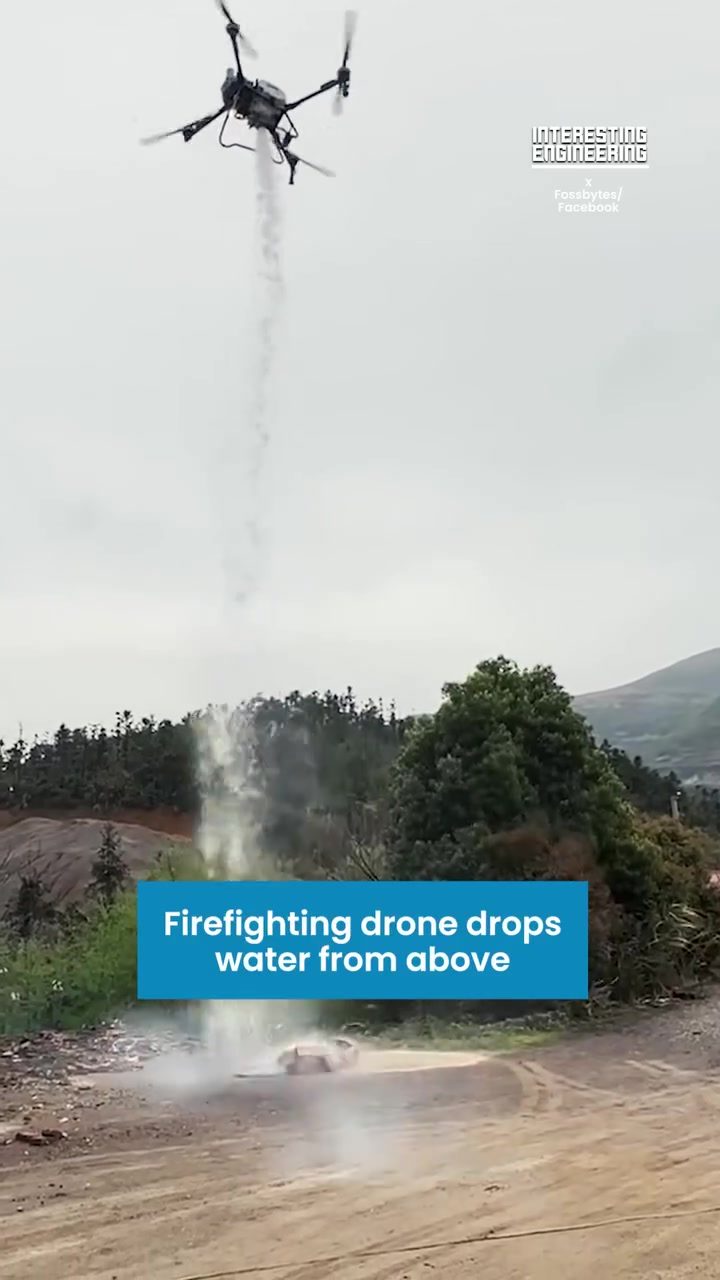
Firefighting Drones: Revolutionizing Wildfire Response
Firefighting drones are transforming the way we combat wildfires, particularly in challenging terrains that are often inaccessible or dangerous for human firefighters. These advanced machines are equipped with the ability to hover and release precise streams of water onto targeted areas, making them invaluable in the fight against wildfires.
Why This Matters
Wildfires pose a significant threat to both urban and rural areas, causing widespread destruction and endangering lives. Traditional firefighting methods, while effective in many scenarios, often fall short in steep, remote, or dangerous terrain. Firefighting drones address these challenges by providing a safe, efficient, and precise means of combating fires from the sky.
The Technology Behind Firefighting Drones
Heavy-Lift Capabilities
Heavy-lift drones, such as the one showcased by Fossbytes, are specifically designed to carry and drop significant payloads of water or fire retardant. These drones can hover above the fire, ensuring a steady and precise release of water onto the targeted area. This capability is crucial for fighting fires in hard-to-reach locations, where traditional firefighting methods would be ineffective.
Precision and Control
The precision with which these drones can target specific areas is one of their standout features. Equipped with advanced GPS and navigation systems, firefighting drones can accurately release water streams onto the fire, minimizing wastage and maximizing impact. This precision ensures that every drop of water is used efficiently, making the drones a cost-effective solution in the long run.
Accessing Inaccessible Terrain
One of the most significant advantages of using drones for firefighting is their ability to access areas that are too steep, remote, or dangerous for human firefighters. Whether it's a dense forest, a steep hillside, or a rugged mountain range, drones can navigate these terrains with ease, providing a much-needed fire suppression solution where traditional methods fall short. This capability is particularly valuable in areas experiencing severe wildfires, where time and accessibility can mean the difference between a contained fire and a catastrophic inferno.
Practical Tips for Firefighting Drone Operations
Pre-Flight Planning
Before deploying a firefighting drone, it's essential to have a well-thought-out plan. This includes identifying the target area, assessing the terrain, and determining the best flight path. Pre-flight planning ensures that the drone can reach the fire safely and effectively, minimizing the risk of accidents and maximizing the impact of the fire suppression efforts.
Equipment and Payload Management
Ensure that the drone is equipped with the right payload for the job. This could be water, fire retardant, or other specialized chemicals designed to combat wildfires. The payload should be securely attached to the drone to prevent any mishaps during flight. Additionally, regularly inspect the drone's equipment to ensure it is in optimal working condition.
Real-Time Monitoring and Adjustments
Firefighting drones should be equipped with real-time monitoring capabilities, allowing operators to track the drone's progress and make necessary adjustments on the fly. This includes changing the flight path, adjusting the water release, and monitoring the fire's progress. Real-time monitoring ensures that the drone can respond quickly to changing conditions, making the firefighting efforts more effective.
Communication and Coordination
Effective communication and coordination between drone operators and ground crews are crucial for successful firefighting operations. This ensures that all aspects of the operation are aligned, and any necessary adjustments can be made promptly. Clear communication channels and a well-coordinated team can significantly enhance the effectiveness of firefighting drones.
Important Takeaways
Enhanced Safety
Firefighting drones significantly enhance the safety of firefighters by allowing them to combat fires from a safe distance. This reduces the risk of injuries and fatalities, making firefighting operations more secure.
Increased Efficiency
The precision and control offered by firefighting drones make them an efficient tool for suppressing wildfires. By targeting specific areas and minimizing wastage, drones can effectively combat fires, reducing the overall impact on the environment.
Versatility in Operations
Firefighting drones can be deployed in various terrains and weather conditions, making them a versatile tool in the firefighting arsenal. Whether it's a dense forest, a steep hillside, or a rugged mountain range, drones can navigate these terrains with ease, providing much-needed fire suppression solutions.
Cost-Effective Solution
While the initial investment in firefighting drones may be high, their long-term benefits make them a cost-effective solution. By minimizing wastage and maximizing impact, drones can significantly reduce the cost of firefighting operations, making them an attractive option for fire departments and emergency services.
Future of Firefighting
As technology continues to advance, the use of drones in firefighting is expected to become more prevalent. With ongoing research and development, we can expect to see even more innovative features and capabilities, making firefighting drones an indispensable tool in the fight against wildfires.
Conclusion
Firefighting drones are revolutionizing the way we combat wildfires, offering a safe, efficient, and precise means of fire suppression. With their ability to access inaccessible terrain and provide real-time monitoring, these drones are becoming an invaluable tool for firefighting operations. As we continue to face the challenges posed by wildfires, the use of firefighting drones will undoubtedly play a crucial role in protecting our communities and the environment.
Watch the Reel
Questions readers ask
How do firefighting drones operate in steep and inaccessible terrains?
Firefighting drones use advanced stabilization technology to hover and navigate through steep and challenging terrains, delivering precise, heavy payloads of water or retardant. They can reach areas that are inaccessible or dangerous for human crews, making them highly effective in remote and rugged landscapes.
What are the key advantages of using drones for fighting fires?
Drones offer several key advantages, including the ability to access dangerous or inaccessible terrains, precise water or retardant delivery, and the capacity to carry heavy payloads. Additionally, drones enhance safety by reducing the need for human intervention in high-risk areas.
How do drones help in delivering water or retardant in fire suppression?
Drones are equipped with specialized tanks and nozzles that allow them to deliver precise streams of water or retardant. This precision ensures that the fire-fighting agents are applied exactly where needed, minimizing waste and maximizing effectiveness.
Can drones combat wildfires in urban areas as well as in rural settings?
Yes, drones are versatile and can be used in both urban and rural areas. Their ability to navigate through different terrains and deliver precise payloads makes them effective in a variety of settings, whether it's a remote forest or a densely populated city.
What kind of technology allows drones to deliver heavy payloads?
Firefighting drones use advanced aerial heavy lift technology, which allows them to carry significant amounts of water or retardant. These drones are designed to deliver these payloads with precision, ensuring effective fire suppression even in challenging conditions.
How do drones contribute to the safety of firefighters?
By taking on the most dangerous tasks, such as fighting fires in steep or inaccessible terrains, drones significantly enhance the safety of firefighters. They reduce the need for human crews to enter high-risk areas, allowing firefighters to focus on other critical aspects of fire management.
What role do drones play in fighting wildfires in remote locations?
In remote locations, drones provide a crucial advantage by being able to reach and combat wildfires quickly and efficiently. Their ability to navigate through rugged and inaccessible terrain ensures that even the most remote fires can be tackled effectively, preventing the spread of destruction.
Related deep dives
Similar reads based on topic and creator.


Recent articles
Fresh deep dives from the latest Reels we unpacked.




Comments
Be the first to comment.