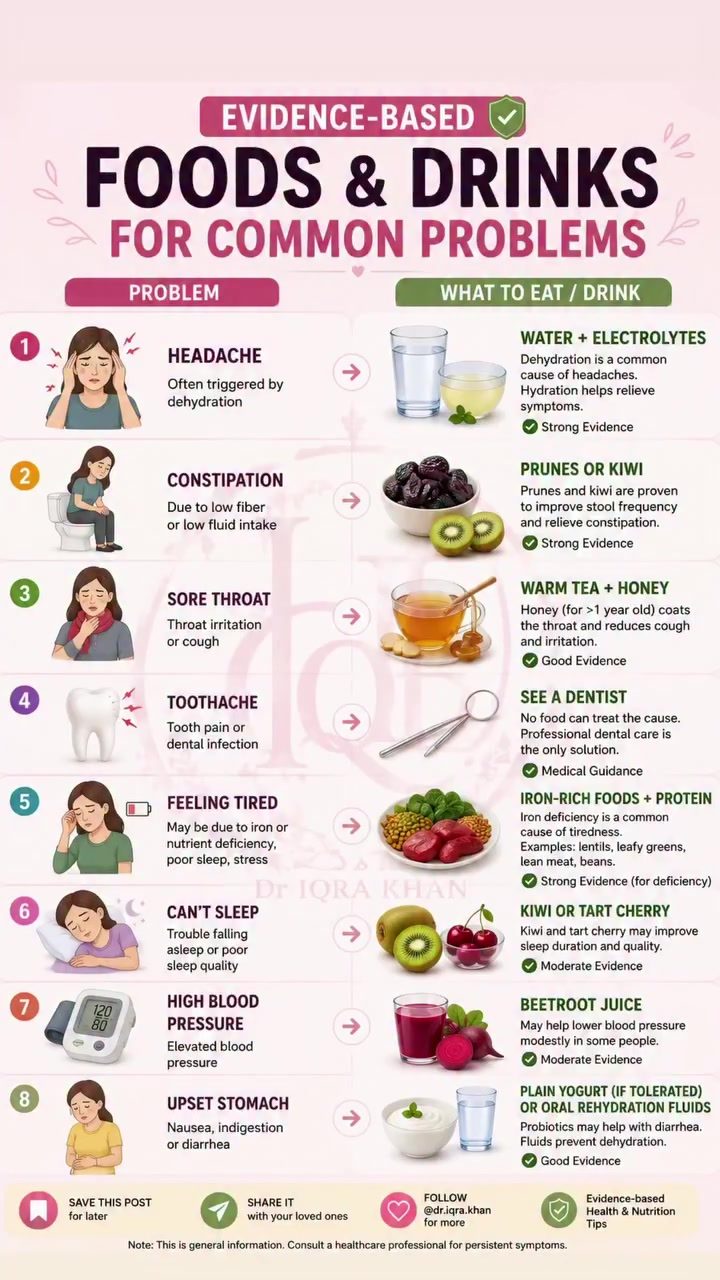
Foods and Drinks for Common Problems
For many people, food can be an ally in managing everyday health problems. Nutritional choices, supported by evidence, can help alleviate common symptoms when used alongside proper medical care. However, it’s essential to understand that while food can support health, it’s not a cure-all for every medical issue.
Why This Matters
Addressing common health problems with nutritious foods and drinks can have a significant impact on daily life. Small changes in diet can help manage symptoms and improve overall well-being. Understanding the specific foods and drinks that can alleviate common issues provides a practical approach to health management. This information can be especially useful for people looking to integrate natural remedies into their daily routines.
Managing Common Symptoms with Nutrition
Headaches
Headaches are a common and often debilitating issue. Dehydration is one of the most frequent triggers for headaches. Drinking adequate amounts of water and replenishing electrolytes can help alleviate symptoms. The mechanism behind this is that hydration helps to support brain function and reduces the inflammation that may contribute to headaches. Therefore, staying well-hydrated can be a preventive and therapeutic measure for those experiencing headaches.
Constipation
Constipation is a prevalent issue that can cause significant discomfort. It often results from insufficient fiber or fluid intake. Prunes and kiwi are noteworthy for their effectiveness in improving stool frequency and relieving constipation. Both fruits are high in fiber and water content, which aids in digestion. While prunes are known for their laxative properties, kiwi contains enzymes that may help with digestion and soften stool, making it easier to pass. Including these fruits in your diet can be a simple and effective way to manage constipation.
Sore Throats
A sore throat can be particularly uncomfortable and often accompanies throat irritation or a cough. Warming up some tea and adding honey (for adults and children over 1 year old) can help soothe throat pain and reduce coughing. Honey has natural antimicrobial and anti-inflammatory properties. It coats the throat, providing a protective layer and reducing irritation. Warm tea also helps to hydrate and relax the throat muscles, making it easier to swallow and breathe.
Toothaches
When dealing with tooth pain or a dental infection, the best course of action is to seek professional dental care. Toothaches can be caused by various issues, including cavities, infections, or gum disease, and require a dentist’s expertise for proper treatment. While food may provide temporary relief, it cannot address the root cause of the problem. Therefore, always consult a dentist for persistent tooth pain.
Fatigue
Feeling tired can stem from various factors, including iron deficiency, poor sleep, or stress. Incorporating iron-rich foods and protein into your diet can help combat fatigue. Iron deficiency is a common cause of tiredness, and foods like lentils, leafy greens, and lean meats are excellent sources of this essential mineral. Protein supports muscle repair and energy production. Combining both in your diet can boost energy levels and overall vitality.
Sleep Issues
Trouble falling asleep or poor sleep quality can be frustrating. Foods like kiwi and tart cherry may improve sleep duration and quality. Kiwi is rich in vitamins and minerals that promote relaxation, while tart cherry contains melatonin, a hormone that regulates sleep. Including these in your evening routine might help you get a better night’s rest.
High Blood Pressure
High blood pressure, or hypertension, is a significant health concern. Beetroot juice has been shown to modestly lower blood pressure in some individuals. Beetroot is high in nitrates, which the body converts to nitric oxide. This compound helps relax blood vessels and improve blood flow, potentially lowering blood pressure. However, it's important to note that while beetroot juice can be beneficial, it should be used alongside lifestyle changes and prescribed treatments for optimal results.
Upset Stomach
An upset stomach can cause discomfort and disrupt daily activities. It may be caused by nausea, indigestion, or diarrhea. Consuming plain yogurt or oral rehydration fluids can help alleviate symptoms. Yogurt contains probiotics, beneficial bacteria that can help with diarrhea, while rehydration fluids prevent dehydration. If you are lactose intolerant, oral rehydration solutions are a good alternative to help replenish lost fluids and electrolytes.
Practical Tips
Incorporating these nutritional choices into your daily routine can make a significant difference in managing common health problems. Here are some practical tips to get you started:
- Stay Hydrated: Always keep a water bottle with you and drink regularly throughout the day. Add electrolyte-rich drinks or supplements during times of intense physical activity or hot weather to stay hydrated.
- Boost Fiber Intake: Incorporate more fruits and vegetables, especially those rich in fiber, into your meals. Berries, apples, and leafy greens are great choices.
- Choose Soothing Drinks: For a sore throat, opt for warm beverages like herbal tea with a spoonful of honey. This can help soothe your throat and reduce inflammation.
- Consult a Dentist: If you're experiencing tooth pain, don’t delay seeking professional help. Regular dental check-ups can prevent many dental issues.
- Opt for Iron-Rich Foods: Combine iron-rich foods with vitamin C sources to enhance iron absorption. Foods like spinach, red meat, and fortified cereals are excellent choices.
- Eat Well for Better Sleep: Snack on kiwi or tart cherries before bed to promote better sleep quality. Avoid heavy, rich foods and caffeine close to bedtime.
- Manage Blood Pressure Naturally: Add beetroot juice to your diet and pair it with regular exercise and a balanced diet to help manage blood pressure.
- Treat an Upset Stomach: Choose plain yogurt for its probiotic benefits or opt for oral rehydration solutions to prevent dehydration and restore electrolyte balance.
Important Takeaways
These nutritional strategies can support overall health and well-being. Among the notable insights:
- Dehydration: Drinking water and electrolytes can help alleviate headaches caused by dehydration.
- Fiber and Hydration: Prunes and kiwi are beneficial for managing constipation due to their high fiber and water content.
- Natural Remedies: Honey and warm tea can soothe sore throats and reduce coughs.
- Professional Care: See a dentist for toothaches as they require professional treatment.
- Iron Deficiency: Incorporate iron-rich foods and protein for combating fatigue.
- Sleep Aid: Foods like kiwi and tart cherry may improve sleep quality.
- Blood Pressure Management: Beetroot juice can modestly lower blood pressure.
- Gut Health: Plain yogurt and oral rehydration solutions are beneficial for an upset stomach.
Conclusion
Everyday nutrition choices can profoundly impact managing common health problems. By staying hydrated, consuming fiber-rich foods, and opting for soothing beverages, one can alleviate symptoms and improve daily well-being. Remember, while food can support health, it’s not a substitute for professional medical care. Always consult a healthcare professional for persistent or severe symptoms. Integrating these dietary tips and strategies can enhance your overall health and vitality.
Watch the Reel
Questions readers ask
What are some effective natural remedies for constipation?
Incorporating more fiber into your diet can help to alleviate constipation. Foods rich in fiber, such as whole grains, fruits, and vegetables, can promote regular bowel movements. Additionally, staying hydrated by drinking plenty of water can help to soften stools and make them easier to pass. Kiwis, in particular, are known for their digestive benefits and can be a helpful addition to your diet.
Which foods are best for managing headaches?
Foods that help to manage headaches are often those that support overall health and hydration. Hydration is crucial for preventing headaches, so drinking plenty of water is a good start. Additionally, magnesium-rich foods like almonds, spinach, and whole grains can help to reduce the frequency and severity of headaches. Iron-rich foods, such as red meat, poultry, and beans, can also be beneficial, as low iron levels are sometimes associated with headaches.
What drinks can soothe a sore throat?
Warm beverages are generally soothing for a sore throat. Drinks like herbal tea, warm water with honey, and chicken broth can help to alleviate discomfort. Honey, in particular, has natural anti-inflammatory and antimicrobial properties that can soothe the throat. Gargling with warm salt water can also help to reduce inflammation and ease symptoms.
Why is hydration important for overall health?
Staying hydrated is vital for many bodily functions. Water helps to regulate body temperature, aids in digestion, and supports organ function. Proper hydration can also help to prevent common health issues, such as headaches, constipation, and fatigue. Aim to drink at least 8 glasses of water daily, and adjust based on activity levels and climate.
What are some iron-rich foods that can help alleviate health problems?
Incorporating iron-rich foods into your diet can help to prevent and alleviate various health issues. Foods high in iron include red meat, poultry, fish, beans, and dark leafy greens. These foods can help to prevent iron deficiency anemia, which can cause fatigue, weakness, and other symptoms. Iron is also essential for maintaining energy levels and supporting overall well-being.
How can dietary changes help improve sleep quality?
Certain foods and drinks can promote better sleep. Foods rich in tryptophan, such as turkey, chicken, and dairy products, can help to induce sleep. Additionally, consuming foods high in magnesium, like almonds and leafy greens, can promote relaxation and improve sleep quality. Avoiding caffeine and heavy meals close to bedtime can also help to ensure a better night's rest.
What are some evidence based nutrition tips for lowering blood pressure?
Dietary changes can play a significant role in managing blood pressure. Foods rich in potassium, such as bananas, oranges, and spinach, can help to counteract the effects of sodium and lower blood pressure. Additionally, consuming foods high in fiber, like whole grains and legumes, can support heart health and help to manage blood pressure levels. Limiting processed foods and opting for a balanced diet can also be beneficial.
Recent articles
Fresh deep dives from the latest Reels we unpacked.




Comments
Be the first to comment.