Berry Preservation and Beyond: Keeping Fruits and Vegetables Fresh
Keeping produce fresh for as long as possible is a challenge many face. With a few simple tips, you can extend the life of your strawberries, lemons, and other fruits and vegetables, saving money and reducing food waste in your kitchen. Small habits can make a big difference in the freshness and longevity of your produce.
Why This Matters
The average household throws away a significant amount of food each year, much of which is due to produce spoiling before it can be consumed. By implementing a few straightforward preservation techniques, you can keep your fruits and vegetables fresh for weeks longer, saving you money and reducing your environmental impact. These methods are simple, requiring minimal equipment and effort, making them accessible to anyone looking to get the most out of their groceries.
Main Discussion
Preserving Strawberries and Berries
One of the most effective methods for keeping strawberries and other berries fresh is to store them in an airtight glass jar. This technique prevents premature spoilage by limiting exposure to air and moisture. Before sealing the jar, make sure to dry the berries completely. Surface moisture is a breeding ground for mold, so removing it extends the lifespan of your berries significantly. This simple change keeps the fruit usable for much longer than the original ventilated plastic container.
Lemon Preservation
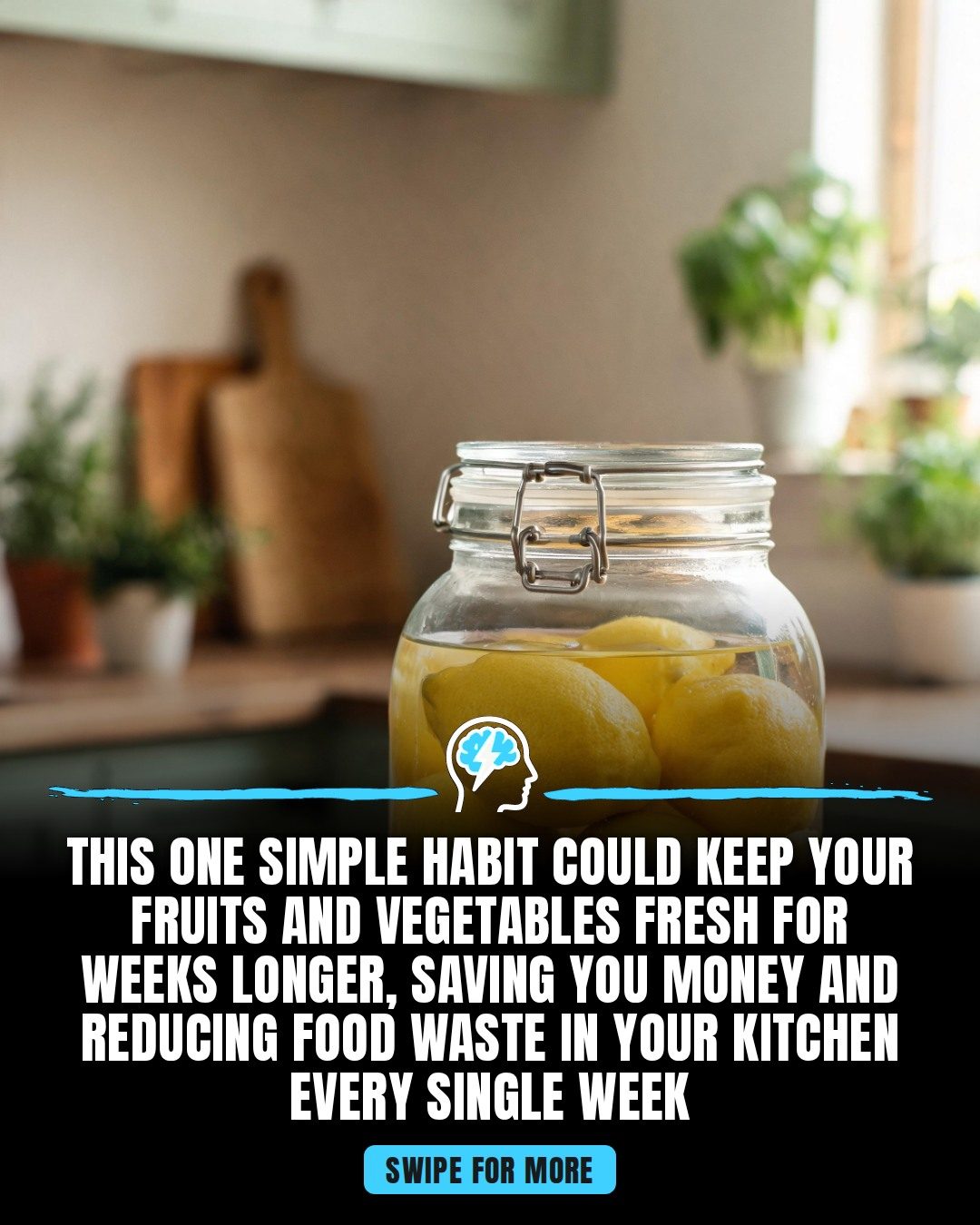
Lemons are notorious for drying out quickly when left in a bowl or a loose bag. A better way to preserve them is by submerging whole lemons in a jar filled with water and then refrigerating. The porous skin of the lemon stays hydrated, the peel doesn't harden, and the inside remains juicy for up to a month. This method is far superior to storing lemons in a plastic bag, as the water helps maintain the lemon's freshness and usability.
Slowing Down Oxidation
Oxidation is a major cause of browning in cut fruits and vegetables. A light coating of lemon or lime juice on a cut avocado adds antioxidants that slow down the browning process. This simple trick keeps your avocado looking fresh and appealing for longer. Similarly, red onions can be preserved as a quick pickle using a mixture of vinegar, water, sugar, and salt. This pickle preserves the onions, keeping them fresh and ready to use for weeks. The process is straightforward and requires just a few basic ingredients, making it an easy addition to your preservation routine.
Reviving Leafy Greens
Even wilted lettuce can be revived with a simple technique. Place the wilted leaves in ice-cold water for fifteen to thirty minutes. The plant cells reabsorb moisture and regain their structure, restoring the crunch and flavor that dehydration stripped away. This method works for various leafy greens, making it a versatile trick to keep in your kitchen arsenal.
Practical Tips
-
Use Airtight Glass Jars: For berries and other fruits, an airtight glass jar is your best friend. Make sure to dry the fruit completely before sealing to prevent mold.
-
Submerge Lemons in Water: Keep lemons fresh by submerging them in a jar of water and refrigerating. This keeps the peel hydrated and the inside juicy.
-
Quick Pickling: For onions and other vegetables, a quick pickle using vinegar, water, sugar, and salt can extend their shelf life significantly.
-
Use Lemon Juice: A light coating of lemon or lime juice on cut fruits and vegetables slows down oxidation, keeping them fresh-looking for longer.
-
Revive Wilted Greens: Place wilted leafy greens in ice-cold water for 15-30 minutes to rehydrate and restore their crunch and flavor.
-
Check for Spoilage: Regularly inspect your produce for signs of spoilage and remove any affected items to prevent the spread of mold or decay.
Important Takeaways
Simple habits can lead to significant savings and a reduction in food waste. By storing fruits and vegetables properly, you can extend their shelf life, saving money and reducing your environmental impact. Techniques like using airtight jars, submerging lemons in water, and quick pickling are easy to implement and require minimal equipment.
Conclusion
By adopting these preservation techniques, you can keep your produce fresh for weeks longer, saving money and reducing food waste. Small changes in your storage habits can make a big difference in the freshness and longevity of your fruits and vegetables. Start incorporating these tips into your routine and enjoy fresher, more delicious produce for longer.
Watch the Reel
Questions readers ask
What are some quick and easy fruit preservation tips?
Quick and easy fruit preservation can be achieved by storing fruits like apples, bananas, and oranges in the refrigerator. Berries should be kept in a sealed container lined with a paper towel to absorb excess moisture. Certain fruits, such as lemons, can be preserved by storing them in the refrigerator after a light rinse.
How can I extend the shelf life of vegetables using simple techniques?
To keep vegetables fresh, trim the ends of carrots, celery, and asparagus before storing in water and keeping them in the refrigerator. Vegetables like onions, potatoes, and garlic should be stored in a cool, dark, and dry place. Leafy greens stay fresh when wrapped in a damp paper towel and placed in a sealed container.
What is the best way to keep onions fresh for a long time?
To keep onions fresh, store them in a cool, dry, and well-ventilated area. Avoid storing them in plastic bags, as this can trap moisture and promote spoilage. Instead, opt for a mesh bag or a basket with good airflow. Whole onions can last several weeks when stored properly.
How can I reduce food waste by preserving produce?
Reducing food waste involves implementing simple preservation techniques. For example, pickling is a great way to extend the life of vegetables like cucumbers, carrots, and cabbage. One jar pickling is a quick method that requires just one jar and minimal effort, allowing you to create delicious pickled vegetables with ease.
What is the most effective method to store lemons to keep them fresh and juicy?
To store lemons and extend their freshness, keep them in the refrigerator after a light rinse. Place them in a sealed container or plastic bag to maintain their moisture and prevent them from drying out. This simple method can keep lemons fresh and juicy for several weeks.
Recent articles
Fresh deep dives from the latest Reels we unpacked.




Comments
Be the first to comment.