The Remarkable Resilience of the Human Body to Food Deprivation and the Critical Need for Sleep
Food deprivation and sleep deprivation have profound effects on the human body. Understanding the differences between these two states can provide valuable insights into human resilience and the importance of sleep.
Context
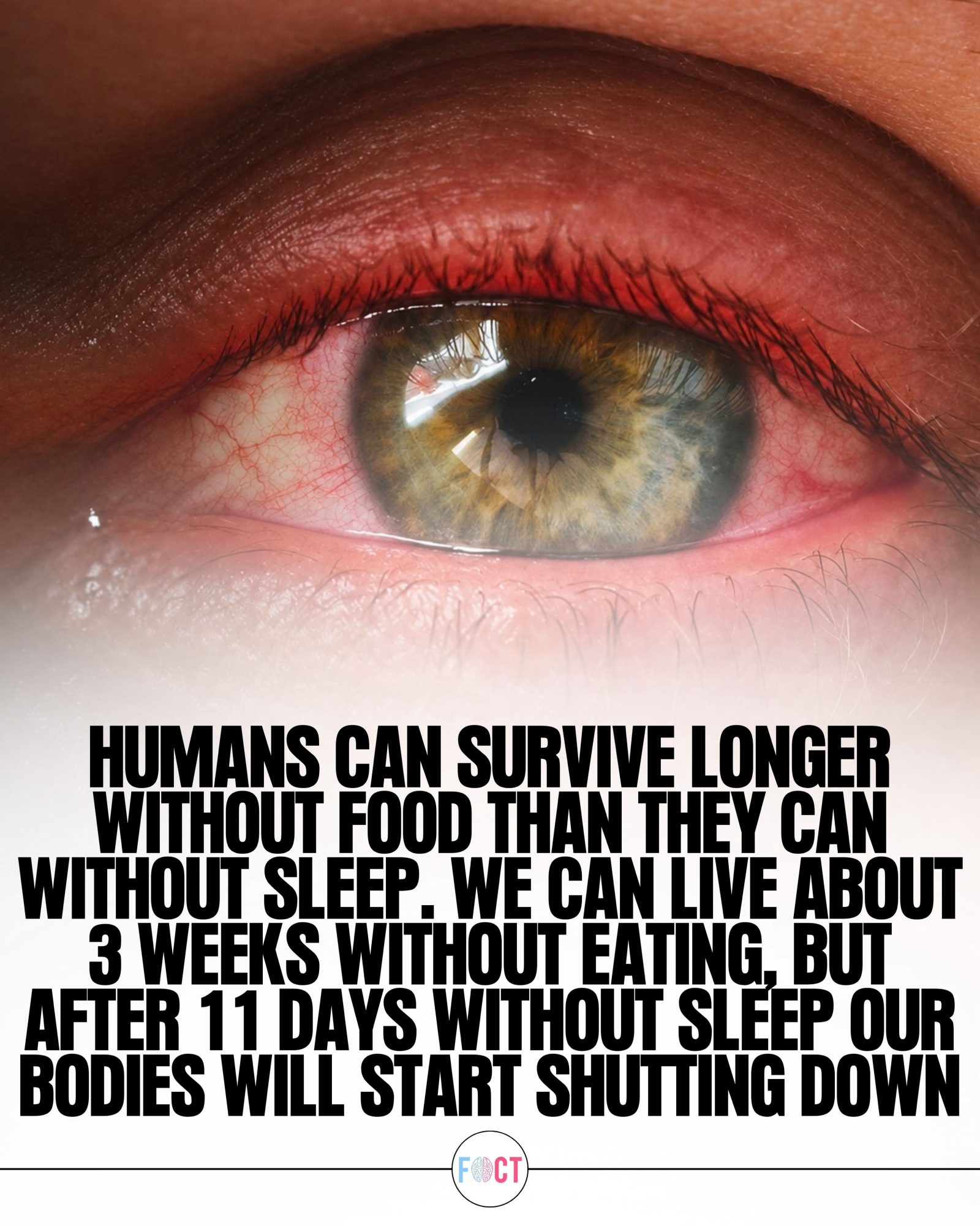
The human body is astonishingly resilient when it comes to food deprivation. Under the right conditions, people can survive for several weeks without eating by relying on stored fat, muscle tissue, and metabolic adaptations that help conserve energy. However, the body's ability to cope with the absence of sleep is far more limited. Sleep is crucial for various bodily functions, and prolonged sleep deprivation can lead to severe consequences.
Survival Without Food: The Body's Resilience
The human body can endure extended periods without food, primarily by tapping into stored reserves. This resilience is highlighted by historical and documented cases of individuals surviving extreme hunger strikes and famine conditions.
Historical Context
Historical examples of individuals enduring prolonged food deprivation include hunger strikes and documented cases of survival during famine. For example, the human body can rely on stored fat, muscle tissue, and metabolic adaptations to conserve energy. The availability of water is crucial in such scenarios; without it, survival time dramatically decreases. Medical observations and hunger strikes have recorded instances of people surviving for a month or more without food. However, prolonged starvation results in severe weight loss, organ damage, and immune system suppression, eventually leading to death.
Medical Observations
Medical research has shown that the human body can survive for about three weeks without food. During this period, the body metabolizes fat and muscle tissue to produce energy. It also undergoes metabolic adaptations to conserve as much energy as possible. While the body can endure this state for a limited time, the effects are severe and include significant weight loss, organ damage, and a weakened immune system.
The Impact of Sleep Deprivation
Sleep is essential for numerous bodily functions, including brain function, memory processing, immune health, hormone regulation, and cellular repair. After just a few days without sleep, individuals can experience a range of symptoms, including hallucinations, impaired judgment, emotional instability, and cognitive decline. The effects of prolonged sleep deprivation are even more severe, leading to progressive shutdown of bodily functions.
The Role of Sleep in the Body
Sleep plays a critical role in various physiological processes. It aids in brain function, memory consolidation, and immune system health. It also helps regulate hormones and facilitates cellular repair. When the body is deprived of sleep, these processes are disrupted, leading to a cascade of negative effects.
Short-Term and Long-Term Effects
Sleep deprivation has immediate and long-term effects on the body. In the short term, individuals may experience hallucinations, impaired judgment, emotional instability, and cognitive decline. The longest scientifically documented period of voluntary wakefulness lasted about 11 days, during which the participant suffered significant mental and physical effects. Long-term sleep deprivation can disrupt nearly every biological system, causing the body and brain to progressively lose their ability to function properly. The exact point at which sleep deprivation becomes fatal in humans is unclear, but it is evident that it can severely disrupt the body's functions.
Practical Tips
Nutritional Strategies for Prolonged Fasting
For individuals considering extended fasting for health or religious reasons, it is essential to be aware of the potential risks and the need for proper planning. Consultation with a healthcare provider is crucial. Ensure that the body has adequate hydration during fasting periods, as water is critical for survival. Monitor your body's responses and avoid fasting under extreme or prolonged stressful conditions.
Sleep Hygiene and Practices
To maintain optimal health, prioritize good sleep hygiene. Ensure a consistent sleep schedule, create a restful sleep environment, and avoid stimulating activities before bed. Engage in relaxation techniques such as deep breathing, meditation, or gentle yoga to prepare the body for sleep. Limit exposure to electronic devices, caffeine, and heavy meals close to bedtime. If you struggle with sleep, consider consulting a healthcare professional for personalized advice and support.
Important Takeaways
Food deprivation and sleep deprivation have very different effects on the human body. While the body can survive for extended periods without food under certain conditions, the consequences of prolonged sleep deprivation are severe and can be fatal. Both states highlight the importance of proper nutrition and adequate sleep for overall health and well-being.
Understanding the Body's Limits
Knowing the limits of the body's resilience can help in making informed decisions about dietary and lifestyle choices. It underscores the importance of maintaining a balanced diet and ensuring adequate sleep to support overall health and well-being.
The Critical Role of Sleep
Sleep is essential for numerous bodily functions, including brain function, memory processing, immune health, hormone regulation, and cellular repair. Lack of sleep can lead to severe consequences, including cognitive decline, emotional instability, and impaired judgment. Prioritizing good sleep hygiene is crucial for maintaining optimal health.
Conclusion
The human body's ability to survive without food and the critical need for sleep highlight the importance of understanding our physiological limits. While the body can endure extended periods without food, the consequences of prolonged sleep deprivation can be severe and potentially fatal. By maintaining a balanced diet, staying hydrated, and prioritizing good sleep hygiene, individuals can support their overall health and well-being, ensuring the body's resilience and functionality.
Watch the Reel
Related deep dives
Similar reads based on topic and creator.



Recent articles
Fresh deep dives from the latest Reels we unpacked.




Comments
Be the first to comment.