The Impact of Food Choices and Nutrition Tracking
Understanding the impact of food choices can significantly influence your health and wellbeing. The difference between foods that fuel your body and those that drain your energy is a crucial distinction, and small choices made daily accumulate. This article explores how different foods affect your energy levels, brain function, and overall mood, and how nutrition tracking apps can help manage these choices better.
Why This Matters
Food choices directly impact various aspects of your life, from energy levels to cognitive function. Recognizing the difference between beneficial and detrimental foods is essential for maintaining a healthy lifestyle. By being intentional with your dietary choices, you can enhance your overall well-being and achieve your health goals more effectively.
Identifying Foods That Work For You
Nutrient-Rich Foods
Foods that work for you are typically rich in essential nutrients. These include:
- Fruits and Vegetables: High in vitamins, minerals, and fiber.
- Lean Proteins: Essential for muscle repair and growth.
- Whole Grains: Provide sustained energy and are high in fiber.
- Healthy Fats: Found in foods like avocados, nuts, and olive oil, these fats support brain function and heart health.
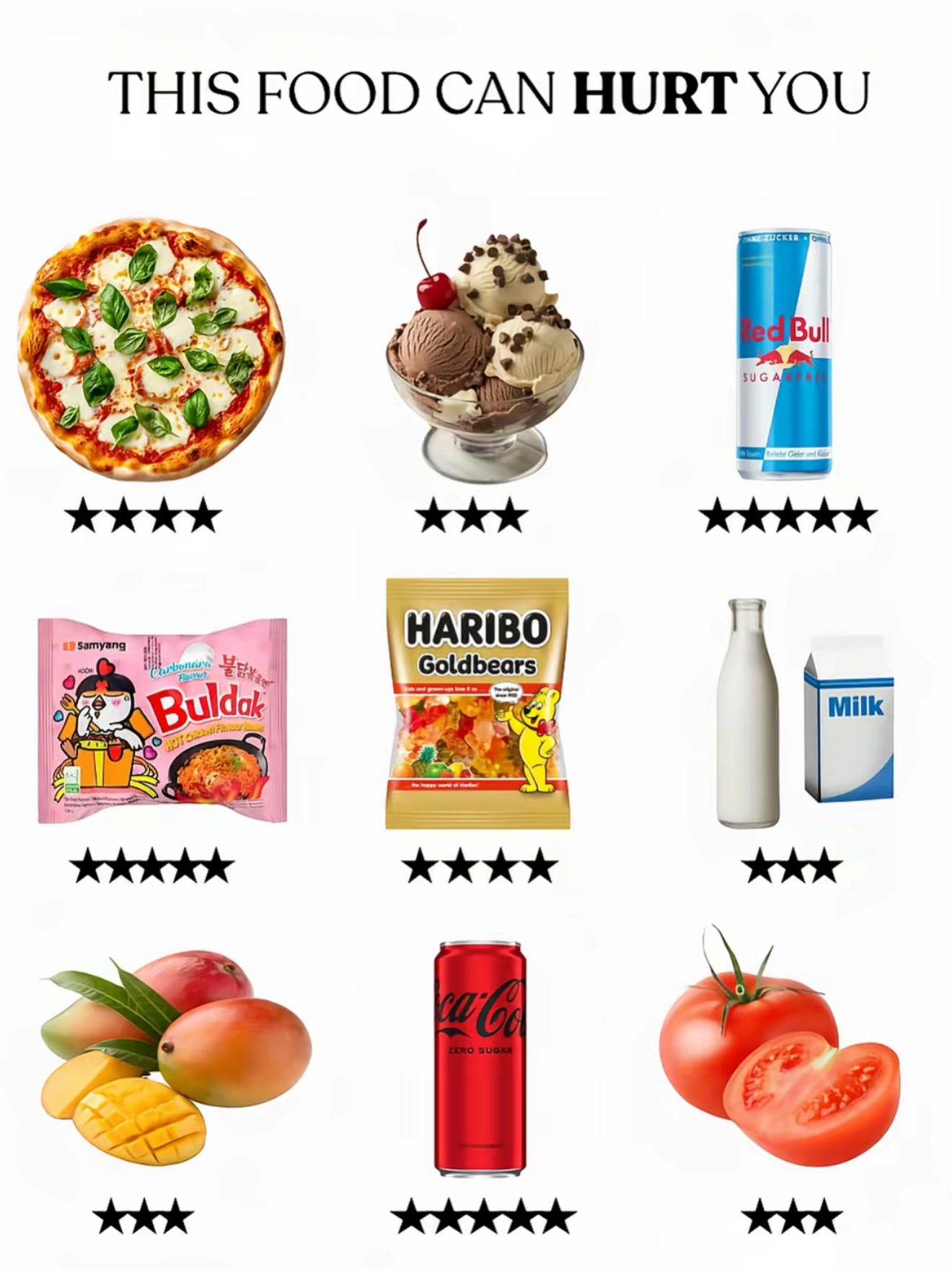
These foods are often associated with higher ratings in star rating systems used to indicate health impact. They provide more energy, better focus, and stronger immunity, making them ideal for maintaining a balanced and healthy lifestyle. For example, foods like tomatoes and milk are often highlighted as beneficial.
Star Rating System
A visual presentation using a star rating system can help you understand the relative healthiness of different foods. Foods that score high on this system are typically nutrient-dense and provide sustained energy and better focus. This system is particularly useful for quickly identifying healthier options in a crowded marketplace.
Identifying Foods That Work Against You
Processed Foods and Sugary Drinks
Foods that work against you are those that are high in processed sugars, unhealthy fats, and artificial additives. Common examples include:
- Sugary Drinks: High in sugar and low in nutrients.
- Processed Snacks: Often high in unhealthy fats and sodium.
- Fried Foods: High in trans fats and calories.
- Candy and Desserts: High in sugar and low in nutritional value.
These foods can lead to crashes in energy levels, cravings, and inflammation, which can hinder your health goals. For example, foods like pizza, sugary drinks, and processed snacks are often shown with lower ratings, indicating their potential negative impact on health.
Star Rating System
The star rating system can also help identify foods that may be detrimental to your health. Foods that score low on this system are typically high in unhealthy fats, sugars, and additives, making them less suitable for a healthy diet. This system makes it easier to avoid foods that can negatively impact your health.
The Role of Nutrition Tracking Apps
What They Offer
Nutrition tracking apps like Workit provide data-driven insights into your dietary choices. These apps can help you monitor your calorie intake, macro breakdowns, and deficit goals, making it easier to make informed decisions about your food choices. They often include features like:
- Daily Calorie Goals: Track your daily calorie intake.
- Macro Breakdowns: Monitor your carbohydrate, protein, and fat intake.
- Deficit Goals: Set and track your daily calorie deficit.
- Nutrition Insights: Get data-driven insights into your dietary choices.
Benefits of Using a Nutrition Tracking App
Using a nutrition tracking app can help you achieve your health goals more effectively. Here are some benefits:
- Accountability: Regularly tracking your dietary choices can help you stay accountable to your health goals.
- Insights: Data-driven insights can help you make informed decisions about your food choices.
- Motivation: Seeing progress over time can be a strong motivator to continue making healthy choices.
- Rewards: Apps like Workit turn your healthy habits into real motivation, which can include financial rewards.
Practical Tips
Start Small
Making small changes can lead to significant improvements over time. Here are some practical tips to get started:
- One Swap a Day: Replace one unhealthy food with a healthier option.
- Plan Ahead: Plan your meals for the week to avoid impulsive, unhealthy choices.
- Stay Hydrated: Drink plenty of water to stay hydrated and maintain energy levels.
- Listen to Your Body: Pay attention to how different foods make you feel and adjust your choices accordingly.
Use Technology to Your Advantage
Utilize nutrition tracking apps to make the process easier. These apps can provide real-time data and insights, helping you stay on track and motivated.
Consistency Over Perfection
Focus on consistency rather than perfection. Making healthy choices consistently is more beneficial than occasionally making perfect choices. Aim for balance and sustainability in your dietary habits.
Important Takeaways
- Food Choices Matter: The foods you choose can significantly impact your energy levels, brain function, and overall mood.
- Nutrient-Rich Foods: Focus on foods that are high in essential nutrients and low in unhealthy fats and sugars.
- Avoid Processed Foods: Limit your intake of processed foods and sugary drinks to maintain a healthy lifestyle.
- Use Technology: Nutrition tracking apps can provide valuable insights and help you stay on track with your health goals.
- Start Small and Be Consistent: Making small, consistent changes can lead to significant improvements over time.
Conclusion
Understanding the impact of your food choices and utilizing tools like nutrition tracking apps can help you achieve a healthier, more balanced lifestyle. By being intentional with your dietary choices and using technology to your advantage, you can transform your health and wellbeing. Start with one small change today and build a consistent, rewarding habit that will benefit your future self.
Watch the Reel
Questions readers ask
How do daily food choices affect my energy levels?
Your daily food choices significantly influence your energy levels. Nutrient-rich foods, such as whole grains, lean proteins, and healthy fats, provide sustained energy. In contrast, processed foods and sugary drinks can lead to energy crashes, making you feel sluggish and fatigued.
What kinds of foods should I eat to support brain health?
To support brain health, focus on foods rich in omega-3 fatty acids, antioxidants, and vitamins. Include items like fatty fish (salmon, mackerel), nuts, seeds, berries, and leafy greens in your diet. These foods can enhance cognitive function and improve overall brain health.
Why should I avoid processed foods and sugary drinks?
Processed foods and sugary drinks often lack essential nutrients and are high in added sugars and unhealthy fats. Consuming these regularly can lead to weight gain, increased inflammation, and a higher risk of chronic diseases, such as heart disease and type 2 diabetes, and negatively impact your mood and energy levels.
What is the star rating system mentioned in the article?
The star rating system is a tool to help you make better food choices. It rates foods based on their nutritional content, with higher ratings indicating more nutritious options. This system can guide you towards foods that fuel your body and brain, making it easier to maintain a healthy diet.
How can tracking my food choices improve my health?
Tracking your food choices helps you understand your eating habits and identify areas for improvement. It can reveal patterns, such as excessive consumption of processed foods or sugary drinks, and motivate you to make healthier choices. Additionally, tracking can help you monitor the impact of your diet on your energy levels and cognitive function.
What are some simple steps to improve my food choices?
Start by incorporating more nutrient-rich foods into your diet, such as fruits, vegetables, lean proteins, and whole grains. Avoid processed foods and sugary drinks, and opt for healthier alternatives. Use the star rating system to guide your choices, and consider tracking your food intake to stay accountable and motivated.
Recent articles
Fresh deep dives from the latest Reels we unpacked.




Comments
Be the first to comment.