Fluid Dynamics Demonstration: Exploring Patterns and Disturbances in Liquids
A fluid dynamics demonstration setup is a fascinating tool for visualizing the behavior of liquids and the forces that act upon them. These setups are often used in educational and research settings to illustrate complex principles in a tangible and engaging way. Understanding fluid dynamics is crucial in various fields, from engineering and meteorology to biomedical research and more.
Context: Why This Matters
Fluid dynamics is the study of how fluids (liquids and gases) move and interact with their environment. This branch of physics is essential for understanding a wide range of natural and engineered phenomena. Whether it's the flow of blood through veins, the aerodynamics of aircraft, or the behavior of weather patterns, fluid dynamics plays a pivotal role. By observing and manipulating liquids in a controlled environment, scientists and engineers can gain insights that lead to innovative solutions and technological advancements.
Main Discussion
The Basics of Fluid Dynamics
Fluid dynamics involves the study of both compressible and incompressible fluids. Incompressible fluids, such as water, maintain a constant density regardless of pressure changes, while compressible fluids, like air, change density with pressure. Key concepts in fluid dynamics include viscosity, which is a fluid's resistance to flow, and turbulence, which describes the chaotic and unpredictable motion of fluids.
Visualizing Fluid Flow
One of the most effective ways to visualize fluid dynamics is through demonstration setups that use colored liquids and particles. By adding dyes or small particles to the liquid, the flow patterns become visible, making it easier to observe and understand the underlying principles. These demonstrations often involve manipulating the liquid with tools like rods or other objects to create swirling patterns and disturbances.
The Role of Rods in Fluid Dynamics
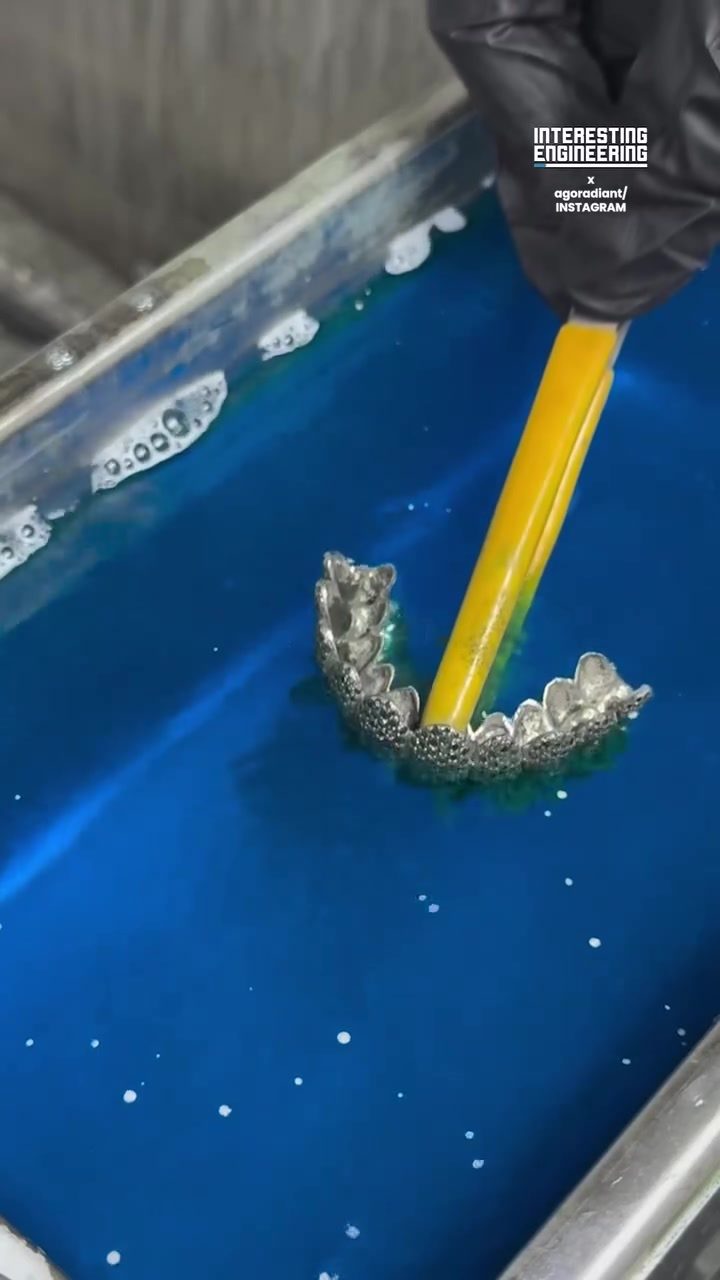
In many fluid dynamics demonstrations, a rod is used to create swirling patterns in the liquid. This technique helps to illustrate concepts such as vorticity, which is the local spinning motion of a fluid. When a rod is dipped into a liquid and moved, it disrupts the fluid's natural flow, creating vortices and eddies. These phenomena are crucial in understanding how fluids behave in various scenarios, from the movement of air around a wing to the flow of water in a pipe.
Creating Swirling Patterns
The visual effects created by manipulating the liquid with a rod are not just aesthetically pleasing; they also provide valuable insights into fluid behavior. The swirling patterns and disturbances show how fluids can be influenced by external forces. For instance, the rod's movement can simulate the effect of a moving object through a fluid, such as a ship through water or an airplane through air. Observing these patterns helps researchers and engineers better understand and predict fluid behavior in real-world applications.
Practical Tips
Setting Up a Fluid Dynamics Demonstration
To create a fluid dynamics demonstration setup at home or in a classroom, you'll need a few key components:
- Container: A transparent container, such as a glass or plastic tank, to hold the liquid.
- Liquid: Use a clear liquid like water, and add dyes or particles to make the flow patterns visible.
- Rod or Stirrer: A rod or stirrer to manipulate the liquid and create swirling patterns.
- Lighting: Proper lighting to illuminate the container and make the flow patterns easier to see.
Conducting the Experiment
- Prepare the Liquid: Fill the container with the liquid of your choice and add dyes or particles for better visibility.
- Insert the Rod: Carefully insert the rod into the liquid and start moving it to create swirling patterns.
- Observe the Patterns: Pay close attention to the flow patterns and disturbances created by the rod's movement.
- Document Your Findings: Take notes or record the experiment to analyze the patterns and disturbances later.
Important Takeaways
Fluid dynamics is a complex but fascinating field of study that has wide-ranging applications. By conducting experiments and demonstrations, we can gain a deeper understanding of how fluids behave and how to manipulate them for various purposes. The use of rods and other tools to create swirling patterns in liquids provides valuable insights into fluid flow and can help in developing innovative solutions in engineering, meteorology, and other fields.
Conclusion
A fluid dynamics demonstration setup is an invaluable tool for exploring the principles of fluid behavior. By visualizing flow patterns and disturbances, we can better understand the forces that act upon liquids and gases. Whether you're a student, researcher, or simply curious about the natural world, experimenting with fluid dynamics can be both educational and rewarding. The insights gained from these demonstrations can lead to breakthroughs in various fields, making them a crucial component of scientific and engineering research.
Watch the Reel
Questions readers ask
What are some common applications of fluid dynamics?
Fluid dynamics has a wide range of applications. It is used in engineering to design more efficient vehicles, in meteorology to predict weather patterns, and in biomedical research to understand blood flow and improve medical devices. Additionally, it plays a crucial role in environmental studies, helping to model and mitigate issues like pollution and climate change.
How can colored liquids and particles help in understanding fluid dynamics?
Using colored liquids and particles allows for the visualization of complex fluid movements and flow patterns. This makes it easier to observe how forces like viscosity, turbulence, and pressure gradients work in real-time, enhancing the comprehension of abstract concepts through direct observation.
What are some everyday examples of fluid dynamics in action?
Everyday examples of fluid dynamics include the flow of water from a tap, the movement of air in a fan, and the swirling patterns in a cup of coffee. These phenomena illustrate principles of fluid dynamics, such as laminar and turbulent flow, which can be observed and studied in practical, real-world scenarios.
Can fluid dynamics principles be applied to understanding weather patterns?
Yes, fluid dynamics is fundamental to meteorology. It helps explain the movement of air masses, the formation of clouds and storms, and the behavior of weather systems. By understanding the principles of fluid dynamics, meteorologists can better predict weather patterns and improve forecasting models.
What are some practical ways to demonstrate fluid dynamics for beginners?
For beginners, practical demonstrations can include simple experiments like pouring liquids of different viscosities into a clear container, using food coloring to visualize flow patterns, or observing the movement of particles in a liquid. These demonstrations can be done at home or in a classroom setting to make the concepts of fluid dynamics more tangible and engaging.
How does understanding fluid dynamics help in engineering?
In engineering, understanding fluid dynamics is essential for designing efficient systems. This includes optimizing the aerodynamics of vehicles, improving the flow of liquids in pipes and channels, and enhancing the performance of machinery. Engineers use fluid dynamics principles to minimize energy loss, reduce drag, and ensure the safe and efficient operation of various systems.
Related deep dives
Similar reads based on topic and creator.




Recent articles
Fresh deep dives from the latest Reels we unpacked.




Comments
Be the first to comment.