Oyster Shell Recycling: Florida's Massive Coastal Restoration Effort
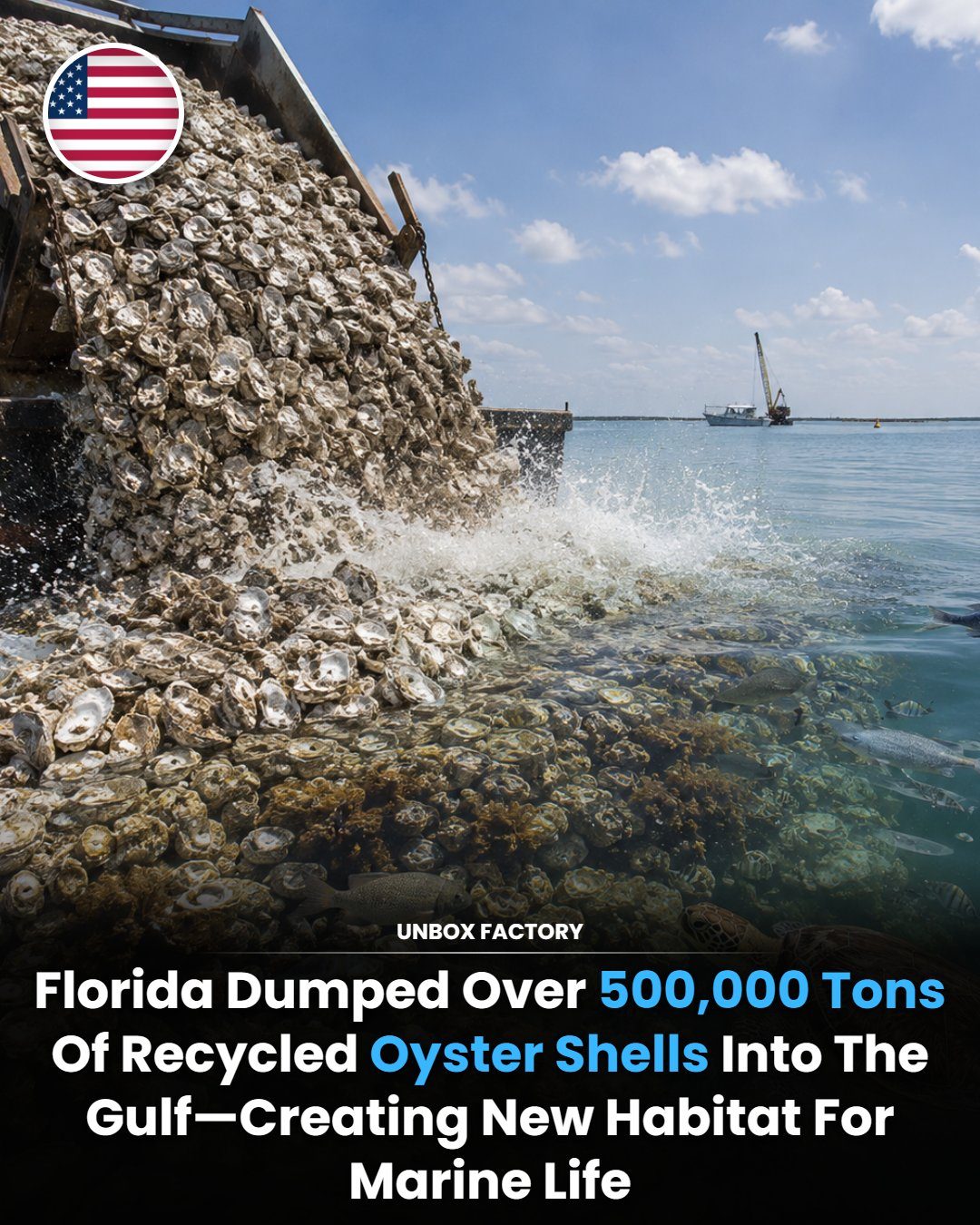
Oyster shell recycling in Florida is a significant part of a larger coastal restoration effort, aimed at rebuilding and enhancing marine ecosystems. By placing more than 500,000 tons of recycled oyster shells into Gulf waters, Florida has embarked on one of the largest coastal restoration projects in the United States.
Florida Dumped Over 500,000 Tons of Recycled Oyster Shells into the Gulf – Creating New Habitat for Marine Life
Why This Matters
The Gulf of Mexico's coastal ecosystems are vital for numerous reasons. They support diverse marine life, protect shorelines, and contribute to water quality by filtering pollutants. Healthy oyster reefs play a critical role in maintaining these ecosystems. Unfortunately, many of these reefs have been destroyed by pollution, overharvesting, and coastal development.
The Role of Oyster Reefs
Oyster reefs provide a natural surface for young oysters to attach and grow, thereby rebuilding reefs that protect shorelines. These reefs are essential for marine life, serving as habitats for fish, crabs, shrimp, and countless other species. They also play a crucial role in improving water quality. Healthy oyster reefs can filter up to 50 gallons (190 liters) of water per oyster each day, which helps to reduce coastal erosion and mitigate storm surge impacts.
The Restoration Process
The restoration process involves several key steps:
1. Shell Collection
The first step in the restoration process is the collection of oyster shells. These shells are typically collected from restaurants and seafood processing plants. By recycling these shells, the project not only creates new habitats but also reduces waste.
2. Shell Preparation
Once collected, the shells are cleaned and prepared for deployment. This preparation ensures that the shells are free of contaminants and ready to support new oyster growth. The cleaning process involves removing any organic matter or debris that could interfere with the oysters' ability to attach to the shells.
3. Deployment
The prepared shells are then deployed into the Gulf of Mexico. This deployment is a significant undertaking, requiring specialized equipment and careful planning to ensure the shells are placed in the optimal locations. The deployment process involves using cranes and other heavy machinery to distribute the shells evenly across the designated areas.
4. Monitoring and Maintenance
After deployment, the restored reefs are monitored to ensure they are thriving. This monitoring involves regular surveys and assessments to track the growth of the oysters and the overall health of the reefs. Maintenance activities, such as removing invasive species or repairing damaged sections, may also be necessary to ensure the long-term success of the restoration project.
Practical Tips for Supporting Coastal Restoration
If you're looking to support coastal restoration efforts, here are some practical tips:
1. Participate in Local Cleanup Efforts
Participating in local beach and waterway cleanup efforts can help reduce the amount of debris and pollutants that harm marine life and coastal ecosystems. Many communities host regular cleanup events, and volunteering for these initiatives can make a significant difference.
2. Reduce Plastic Use
Reducing your plastic use can help protect marine life and coastal environments. Opt for reusable products and properly dispose of any plastic waste to minimize the risk of it entering the ocean.
3. Support Sustainable Seafood Practices
Supporting sustainable seafood practices helps ensure that marine populations remain healthy and balanced. By choosing seafood that is sustainably sourced, you can help protect marine ecosystems and support the restoration of oyster reefs and other coastal habitats.
4. Volunteer for Restoration Projects
Many coastal restoration projects rely on volunteers to help with shell collection, preparation, and deployment. Volunteering your time and effort can directly contribute to the success of these projects and help create new habitats for marine life.
5. Advocate for Policy Changes
Advocating for policy changes that support coastal restoration and environmental conservation can have a significant impact. By raising awareness and encouraging lawmakers to prioritize these issues, you can help ensure that future generations have access to healthy and thriving coastal ecosystems.
Important Takeaways
- Restoration Efforts: The restoration of oyster reefs is essential for maintaining healthy coastal ecosystems. These reefs provide habitats for marine life and improve water quality by filtering pollutants.
- Community Involvement: Community involvement is crucial for the success of coastal restoration projects. Volunteering, reducing plastic use, and supporting sustainable seafood practices are all ways to contribute to these efforts.
- Long-term Impact: Coastal restoration projects have a long-term impact on marine ecosystems and water quality. By supporting these efforts, you can help ensure that future generations have access to healthy and thriving coastal environments.
Conclusion
Coastal restoration projects, such as Florida's oyster shell recycling initiative, play a vital role in maintaining healthy marine ecosystems. By recycling oyster shells and deploying them to create new habitats, these projects help protect shorelines, support marine life, and improve water quality. Participating in local cleanup efforts, reducing plastic use, and advocating for policy changes are all ways to contribute to these important initiatives. Through collective effort and continued support, we can ensure that our coastal environments remain healthy and thriving for generations to come.
Watch the Reel
Questions readers ask
How does Florida's oyster shell recycling program benefit the Gulf of Mexico?
The program enhances the Gulf of Mexico's ecosystems by creating new oyster reefs, which support diverse marine life and improve water quality through natural filtration.
What is the significance of the 500,000 tons of recycled oyster shells in this restoration effort?
The 500,000 tons of recycled oyster shells represent one of the largest coastal restoration projects in the United States, aimed at rebuilding vital oyster reefs to support marine life and ecosystem health.
Why are oyster reefs important for Florida's coastal marine habitats?
Oyster reefs provide essential habitats for various marine species, help protect shorelines from erosion, and play a crucial role in maintaining water quality by filtering out pollutants.
Where can I find more information about this project?
For more information, consider visiting the Florida Fish and Wildlife Conservation Commission or the Florida Department of Environmental Protection websites.
How can I participate in or support this oyster shell recycling initiative?
You can support this initiative by participating in local oyster shell recycling programs, volunteering for habitat restoration events, and spreading awareness about the importance of oyster reefs.
What are the key benefits of Florida's oyster shell restoration project for marine life?
The restoration project creates new marine habitats, supports biodiversity, and enhances the overall health of Florida's coastal ecosystems, providing a more robust environment for marine life.
How does the recycling of oyster shells contribute to Gulf of Mexico water quality?
Oyster reefs act as natural filters, removing excess nutrients and pollutants from the water, which improves water clarity and supports the health of marine ecosystems.
Related deep dives
Similar reads based on topic and creator.




Recent articles
Fresh deep dives from the latest Reels we unpacked.




Comments
Be the first to comment.