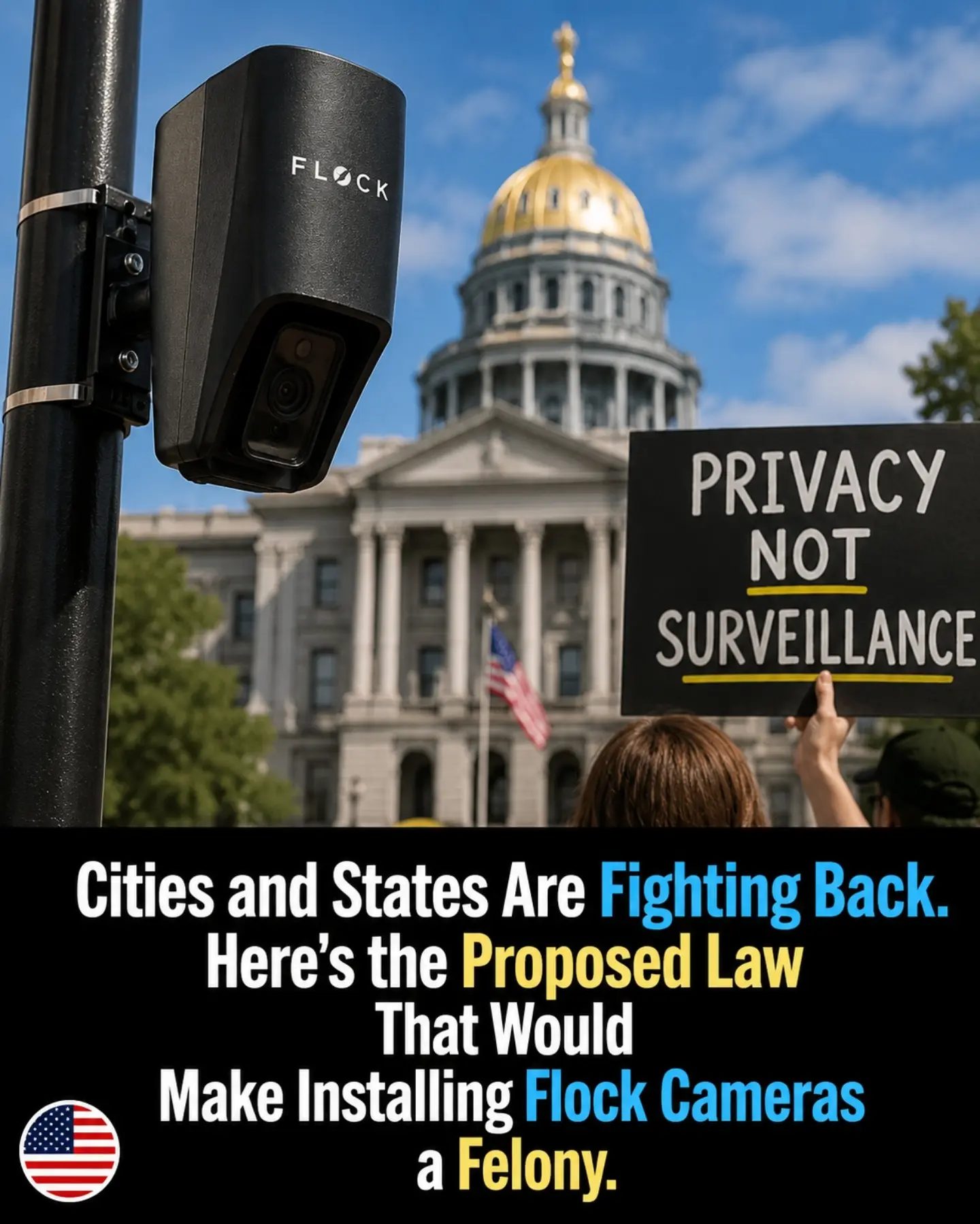
Flock Surveillance Cameras: Privacy Concerns and Legal Battles
Flock surveillance cameras have become a focal point in debates surrounding privacy and public safety. These cameras, designed to enhance community security, are now facing significant backlash from various cities and states. Proposed legal measures aim to curb their use, highlighting the delicate balance between surveillance and privacy.
Context / Why This Matters
The discussion around Flock surveillance cameras is crucial because it touches on fundamental issues of privacy, public safety, and the role of technology in society. As more communities grapple with the implications of widespread surveillance, understanding the nuances of this debate is essential for informed decision-making.
Main Discussion
The Rise of Flock Surveillance Cameras
Flock surveillance cameras have been deployed in numerous communities across the United States. These cameras are often mounted on poles and are designed to capture high-quality footage of public spaces. Their primary purpose is to enhance security by providing real-time monitoring and recording of activities in the vicinity. The deployment of these cameras has been particularly prominent in areas with high crime rates, where they are seen as a deterrent and a tool for law enforcement.
Privacy Concerns
One of the most significant concerns surrounding Flock surveillance cameras is privacy. Critics argue that these cameras infringe upon individual privacy by constantly monitoring public spaces. The continuous surveillance can create a sense of being watched, which some people find intrusive. Additionally, there are concerns about how the data collected by these cameras is stored and used. With the potential for misuse or unauthorized access, the privacy implications of Flock cameras are a significant concern for many.
Legal Battles and Proposed Laws
The backlash against Flock surveillance cameras has led to proposed legislation in various cities and states. These proposals aim to make the installation of Flock cameras a felony, reflecting the severity of the concerns. The proposed laws are a response to the growing public unease about surveillance and the potential for privacy violations. By categorizing the installation of these cameras as a felony, lawmakers hope to deter their use and encourage communities to seek alternative security measures.
Community Perspectives
The debate over Flock surveillance cameras is not limited to legal and privacy concerns; it also involves community perspectives. While some community members view these cameras as a necessary tool for enhancing public safety, others see them as an infringement on their privacy rights. The divergent views highlight the complexity of the issue and the need for balanced solutions that address both security and privacy concerns.
Proposed Solutions
Given the contentious nature of Flock surveillance cameras, various proposed solutions aim to strike a balance between security and privacy. Some communities suggest implementing strict regulations on how and where these cameras can be installed. Others advocate for transparency in data usage and storage. Additionally, there are proposals for public input and consent before deploying surveillance cameras, ensuring that community members have a say in how their public spaces are monitored.
Practical Tips
If you live in a community considering the deployment of Flock surveillance cameras, here are some practical tips to help you navigate the issue:
-
Stay Informed: Educate yourself about the proposed laws and regulations regarding Flock cameras in your area. Attend community meetings and public forums to understand the perspectives of different stakeholders.
-
Engage with Local Authorities: Reach out to local law enforcement and city officials to voice your concerns and suggestions. Your input can help shape policies and regulations that better reflect community needs.
-
Advocate for Transparency: Push for transparency in how data collected by these cameras is used and stored. Ensure that there are clear guidelines on data access and privacy protections.
-
Seek Alternative Solutions: Explore other security measures that do not involve constant surveillance. Community patrols, improved street lighting, and other non-invasive methods can also enhance public safety.
Important Takeaways
The debate over Flock surveillance cameras underscores the need for a balanced approach to public safety and privacy. While these cameras can enhance security, they also raise significant privacy concerns. Proposed laws and community engagement are crucial steps towards finding a compromise that respects individual privacy while maintaining public safety.
Conclusion
The controversy surrounding Flock surveillance cameras is a reflection of the broader debate on surveillance and privacy in the digital age. As communities continue to grapple with these issues, it is essential to consider the implications of widespread surveillance and seek balanced solutions that protect both security and privacy. By staying informed, engaging with local authorities, and advocating for transparency, communities can navigate this complex issue more effectively.
Watch the Reel
Questions readers ask
What are Flock surveillance cameras and why are they controversial?
Flock surveillance cameras are high-tech devices deployed in communities to enhance public safety by monitoring public spaces for suspicious activities. They are controversial due to concerns over privacy invasion, as they record extensive footage that could potentially capture individuals going about their daily lives in public spaces.
What are some of the main privacy concerns associated with Flock surveillance cameras?
Privacy concerns include the potential for misuse of recorded footage, the lack of clear guidelines on data retention, and the risk of individuals being tracked without their consent. Additionally, there are worries about how this data might be accessed by law enforcement or other entities, leading to potential abuses.
How do state surveillance laws address the use of Flock cameras?
State surveillance laws vary widely. Some states have enacted strict regulations on the use of surveillance cameras, including Flock cameras, to protect individual privacy. These laws often dictate how footage can be collected, stored, and accessed to ensure compliance with privacy standards. However, other states may have more lenient laws, allowing for broader use of surveillance technology.
What steps can communities take to balance public safety and privacy when considering the installation of surveillance cameras?
Communities should engage in public discussions to establish clear guidelines for the use of surveillance cameras. This includes setting limits on data retention, ensuring transparency in how footage is used, and implementing strict access controls. Additionally, communities can explore alternative technologies that offer a better balance between security and privacy.
What legal challenges are Flock surveillance cameras currently facing?
Flock surveillance cameras are facing legal challenges in several jurisdictions where residents and advocates argue that these cameras infringe on personal privacy rights. Legal battles often center around the lack of clear regulations and the potential for misuse of the collected data. Some cities and states are proposing or implementing laws to limit or restrict the use of these cameras.
Related deep dives
Similar reads based on topic and creator.




Recent articles
Fresh deep dives from the latest Reels we unpacked.




Comments
Be the first to comment.