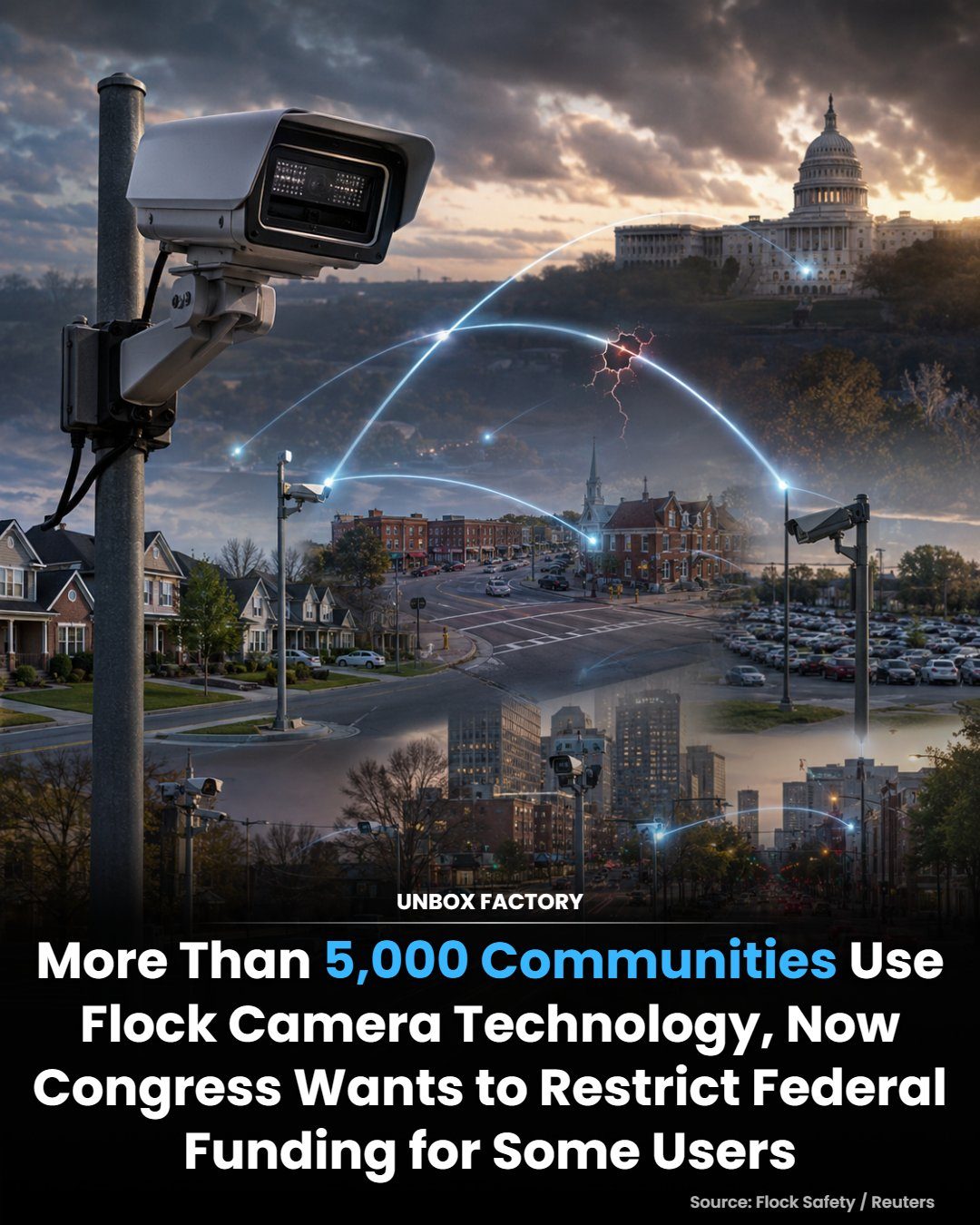
Automated License Plate Recognition (ALPR) Cameras: Balancing Public Safety and Privacy
Automated License Plate Recognition (ALPR) cameras are rapidly becoming a cornerstone of public safety infrastructure across the United States. These security cameras, often equipped with Flock Safety technology, are used to help investigate a range of issues, from stolen vehicles to criminal activities and missing persons cases. With over 5,000 communities now utilizing this technology, it has become one of the largest public safety camera systems in the country.
Why This Matters
The debate surrounding ALPR cameras is far from trivial. As these surveillance systems expand, so do the concerns about privacy and the potential misuse of location data. Lawmakers are now considering restrictions on federal funding for agencies using this technology, highlighting the delicate balance between public safety and civil liberties. This debate is particularly relevant as AI-powered surveillance becomes more prevalent.
The Rise of ALPR Cameras
What Are ALPR Cameras?
ALPR cameras use advanced algorithms to automatically read and store license plate data as vehicles pass by. This technology allows law enforcement agencies to quickly identify and track vehicles of interest, making it a valuable tool for investigations. The cameras can operate around the clock, providing a continuous flow of data that can be analyzed to solve crimes and enhance public safety strategies.
The Growth of ALPR Systems
Flock Safety, a leading provider of ALPR technology, has seen its cameras deployed in thousands of communities nationwide. The widespread adoption of these systems is driven by their effectiveness in assisting law enforcement. For example, ALPR cameras can help locate stolen vehicles within minutes, significantly increasing the chances of recovery. They can also aid in finding missing persons by tracking the movements of vehicles associated with them.
The Debate Over Federal Funding
Concerns About Privacy and Data Security
Opponents of ALPR cameras argue that the technology poses significant threats to privacy. The cameras continuously record and store data on license plates, which can reveal sensitive information about individuals, including their daily routines and locations. There are fears that this data could be misused if it falls into the wrong hands. The potential for data breaches and unauthorized access raises serious concerns about individual privacy.
The Need for Safeguards
Lawmakers are advocating for stronger safeguards to protect privacy and prevent the misuse of location data. Some proposals suggest stricter regulations on how data is collected, stored, and accessed. There are also calls for more transparency and accountability in the use of ALPR technology, ensuring that communities are aware of its deployment and implications.
Balancing Public Safety and Civil Liberties
The debate over ALPR cameras reflects broader societal concerns about balancing public safety with civil liberties. While the technology offers undeniable benefits in terms of crime prevention and solving, it also raises critical questions about individual rights and freedoms. Striking this balance requires a nuanced approach that takes into account both the benefits and the risks of surveillance technology.
Practical Tips for Communities
Engage in Public Discussions
Communities should engage in public discussions about the deployment of ALPR cameras. This includes involving residents, local businesses, and other stakeholders in the decision-making process. Transparency and open dialogue can help build trust and ensure that the community's concerns are addressed.
Implement Strong Data Protection Policies
Agencies using ALPR technology should prioritize data protection. This includes implementing robust encryption methods, regular security audits, and strict access controls. Clear policies should be established on how data is collected, stored, and used, with a focus on minimizing the risk of misuse.
Foster Collaboration Between Agencies
Effective use of ALPR technology often requires collaboration between local law enforcement agencies and other stakeholders, such as public safety organizations and community groups. Collaboration can enhance the overall effectiveness of the surveillance system while ensuring that privacy concerns are adequately addressed.
Promote Public Awareness
Promoting public awareness about the use of ALPR cameras and their implications is crucial. This can involve public education campaigns, workshops, and community meetings where experts discuss the technology, its benefits, and potential risks. Providing reliable, clear information is essential to foster a well-informed public debate.
Important Takeaways
-
ALPR cameras are powerful tools for enhancing public safety, but their deployment must be balanced with privacy concerns. Communities need to engage in open discussions about the use of this technology, ensuring that all stakeholders are involved in the decision-making process.
-
The potential for misuse of location data underscores the need for strong safeguards. Agencies using ALPR technology should prioritize data protection and implement clear policies for data collection, storage, and use.
-
Effective use of ALPR technology requires collaboration and communication. Collaboration between law enforcement agencies, public safety organizations, and community groups is essential for maximizing the benefits of this technology while minimizing its risks.
-
Public awareness about the use of ALPR cameras and their implications is crucial. Communities need reliable information to engage in informed debates and make decisions that balance public safety with individual rights and freedoms.
Conclusion
The deployment of ALPR cameras represents a significant development in public safety efforts across the United States. While the technology offers undeniable benefits in terms of crime prevention and solving, it also raises critical questions about privacy and individual rights. As AI-powered surveillance becomes more widespread, it is essential to engage in open discussions about its implications and strive for a balanced approach that considers both public safety and civil liberties. By doing so, communities can make informed decisions that maximize the benefits of ALPR technology while minimizing its risks.
Watch the Reel
Questions readers ask
What is the primary purpose of Flock Safety ALPR cameras in communities?
Flock Safety ALPR cameras are primarily used to enhance public safety by collecting and analyzing real-time license plate data. This helps law enforcement investigate various issues, including stolen vehicles, criminal activities, and missing persons cases.
How many communities in the U.S. are currently using Flock Safety ALPR cameras?
As of now, over 5,000 communities across the United States have implemented Flock Safety ALPR cameras, making it one of the largest public safety camera systems in the country.
What are the main privacy concerns surrounding ALPR cameras?
Privacy concerns stem from the continuous collection and storage of location data. Critics worry about potential misuse of this information, such as tracking individuals' movements without their consent.
How do ALPR cameras contribute to public safety?
ALPR cameras contribute to public safety by providing real-time data that can assist in the swift recovery of stolen vehicles and the resolution of criminal cases. They also aid in locating missing persons by tracking their last known whereabouts.
What steps are being taken to address privacy concerns with ALPR cameras?
Lawmakers are actively considering restrictions on the use of ALPR cameras to balance public safety with individual privacy. These steps aim to ensure that the technology is used responsibly and that personal data is protected.
Who is responsible for the expansion of public safety cameras in communities?
The expansion of public safety cameras, including ALPR systems, is often driven by local governments and law enforcement agencies seeking to enhance community safety. Federal funding may also support the deployment of these cameras in certain areas.
What can community members do if they have concerns about ALPR cameras in their area?
Community members with concerns about ALPR cameras should reach out to their local law enforcement or government representatives. Engaging in public meetings and voicing concerns can help influence policies and regulations regarding the use of this technology.
Related deep dives
Similar reads based on topic and creator.


Recent articles
Fresh deep dives from the latest Reels we unpacked.




Comments
Be the first to comment.