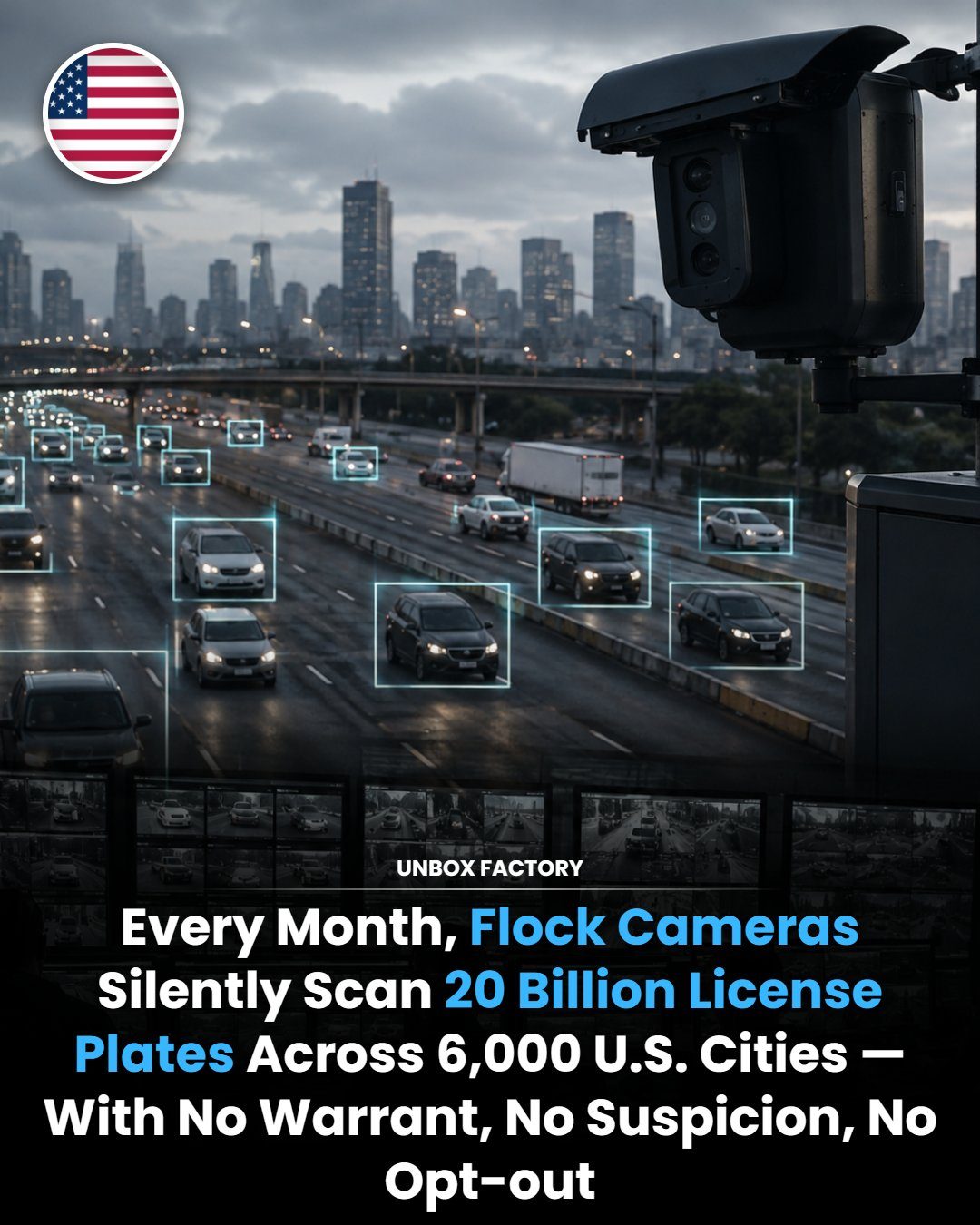
License Plate Scanning Technology
AI-powered license plate scanning technology, such as that used by Flock Cameras, has become a significant tool for law enforcement and community safety. This technology leverages automatic license plate recognition (ALPR) to scan and record vehicle details, aiding in investigations and surveillance efforts. The capabilities and implications of this technology are vast, affecting everything from crime solving to privacy concerns, and it requires thorough understanding for both supporters and critics.
Context / Why this matters
The scale of license plate scanning is enormous. Flock Cameras, for instance, scan approximately 20 billion license plates every month across more than 6,000 communities in the United States. This extensive network operates without the need for warrants, suspicion, or opt-out options, making it a powerful but controversial tool. The data collected includes not just license plate information, but also timestamps, locations, and vehicle characteristics. This comprehensive data set is invaluable for law enforcement, helping to recover stolen vehicles, locate missing persons, and solve criminal cases.
The technology's reach and impact are apparent, but it also brings significant concerns about privacy and civil liberties. As the debate around surveillance and data protection intensifies, understanding the role of license plate scanning technology is crucial for anyone interested in law enforcement strategies, urban security, or civil liberties.
Main discussion
The Technology Behind License Plate Scanning
License plate scanning technology relies on AI-powered automatic license plate recognition (ALPR) systems. These systems use optical character recognition (OCR) to read and record license plate information. The cameras capture images of vehicles and process them to extract the license plate details, timestamps, and locations. This data is then stored and can be queried by law enforcement agencies for various investigative purposes.
How It Works
- Image Capture: Cameras installed in strategic locations capture images of passing vehicles.
- Data Extraction: The AI system processes these images to extract the license plate number, timestamp, and location.
- Data Storage: The extracted data is stored in a database, which can be accessed by authorized users for investigations.
- Analysis and Querying: Law enforcement can query the database to find specific vehicles, track movements, or corroborate witness statements.
The Role of AI
AI plays a pivotal role in making license plate scanning efficient and effective. The algorithms used in ALPR systems are trained to recognize and read license plates accurately, even in challenging conditions like poor lighting or fast-moving vehicles. This high level of accuracy ensures that the data collected is reliable and useful for law enforcement.
Applications and Benefits
The primary application of license plate scanning technology is in law enforcement, where it aids in various investigations. Some of the key benefits include:
- Stolen Vehicle Recovery: By tracking the movements of stolen vehicles, law enforcement can quickly locate and recover them.
- Missing Persons Cases: The technology helps in tracing the last known whereabouts of missing persons by tracking their vehicles.
- Criminal Investigations: License plate data can provide crucial leads in criminal investigations, helping to identify suspects and corroborate alibis.
Real-World Examples
Flock Cameras, for instance, have been instrumental in solving numerous cases. They have helped recover thousands of stolen vehicles and solve violent crimes. The technology's ability to provide timely and accurate data has made it an invaluable tool for law enforcement agencies across the country.
Privacy and Civil Liberties Concerns
Despite its benefits, license plate scanning technology raises significant concerns about privacy and civil liberties. The vast amount of data collected and stored can be misused, leading to potential abuses of power. Some of the key concerns include:
- Data Security: The storage and handling of license plate data must be secure to prevent unauthorized access and misuse. Any breach in data security can compromise the privacy of individuals.
- Surveillance and Tracking: The ability to track vehicles without warrants or opt-out options raises concerns about long-term government surveillance and the potential for abuse.
- Data Retention and Sharing: The debate around how long this data should be stored, shared, and accessed is ongoing. Lawmakers are considering new rules to govern these aspects to ensure that the benefits of the technology do not come at the cost of individual privacy.
Legal and Ethical Considerations
The legal and ethical implications of license plate scanning technology are complex. While the technology can significantly aid law enforcement, it also poses challenges that need to be addressed. Some of the key considerations include:
- Balancing Security and Privacy: There is a need to find a balance between using the technology for security purposes and protecting individual privacy.
- Public Awareness and Consent: The public should be aware of the extent of surveillance and have the option to opt out if they choose.
- Regulatory Frameworks: Clear guidelines and regulations are needed to govern the use of license plate scanning technology, ensuring that it is used responsibly and ethically.
Practical tips
Navigating the landscape of license plate scanning technology, whether as a supporter or a critic, requires a nuanced approach. Here are some practical tips:
- Stay Informed: Keep up with the latest developments in license plate scanning technology and the ongoing debates around its use.
- Understand the Technology: Gain a basic understanding of how ALPR systems work, including the role of AI and data processing.
- Engage in Public Discourse: Participate in discussions and debates around the use of this technology, sharing your views and concerns.
- Advocate for Regulations: Support efforts to establish clear guidelines and regulations for the use of license plate scanning technology, ensuring that privacy and civil liberties are protected.
Important takeaways
License plate scanning technology, exemplified by systems like Flock Cameras, offers significant benefits for law enforcement and community safety. However, it also raises critical concerns about privacy, civil liberties, and long-term surveillance. Understanding the technology, its applications, and the debates surrounding it is essential for anyone interested in this field. As the use of this technology continues to expand, it is crucial to advocate for responsible and ethical use, ensuring that the benefits do not come at the cost of individual privacy and freedoms.
Conclusion
The debate around license plate scanning technology is far from settled. As lawmakers consider new rules and regulations, and as the technology continues to evolve, it is essential to stay informed and engaged. Whether you are a supporter or a critic, the key is to strike a balance between the benefits of enhanced security and the protection of individual privacy and civil liberties. By doing so, we can ensure that this powerful tool is used responsibly and ethically, for the benefit of all.
Watch the Reel
Questions readers ask
How does Flock Cameras' AI technology work in scanning license plates?
Flock Cameras uses AI-powered automatic license plate recognition (ALPR) to capture and process images of license plates. The technology scans the plates, extracts the information, and stores the data along with the time, date, and location details.
What are the primary benefits of using license plate scanning technology?
License plate scanning technology assists in various ways, including solving crimes by providing leads, tracking stolen vehicles, and enhancing community safety. It allows law enforcement to quickly identify and locate vehicles of interest, which can be crucial in both criminal investigations and public safety efforts.
What are the main privacy concerns associated with license plate scanning?
Privacy concerns revolve around the extensive surveillance and long-term tracking of vehicle movements. Critics worry about the potential misuse of data, including who has access to it and how it is protected. There are also concerns about the lack of clear regulations and data protection laws governing this technology.
How does Flock Cameras address concerns about data protection and privacy?
Flock Cameras assures users that their data is encrypted and stored securely. However, specifics about data access and sharing protocols are not always transparent, which can fuel concerns. Users should check Flock's official privacy policies and terms of service for detailed information.
Can individuals opt-out of having their license plates scanned by Flock Cameras?
Currently, there is no explicit opt-out mechanism for individuals to avoid having their license plates scanned. However, some communities are pushing for regulations that would give individuals more control over their data and limit the scope of surveillance.
What legal frameworks govern the use of license plate scanning technology?
The legal landscape for license plate scanning technology varies by jurisdiction. Some states have specific laws regulating the use and data retention of license plate information, while others have more general data protection laws. It is essential to check local regulations and laws for specific details.
How do Flock Cameras balance the benefits of surveillance with privacy concerns?
Flock Cameras aims to balance the benefits by providing its services to law enforcement and communities to aid in crime-solving and safety. However, the company must continually address and mitigate privacy concerns by ensuring data is handled responsibly and transparently, and by working with local authorities to establish clear guidelines for data use and protection.
Related deep dives
Similar reads based on topic and creator.



Recent articles
Fresh deep dives from the latest Reels we unpacked.




Comments
Be the first to comment.