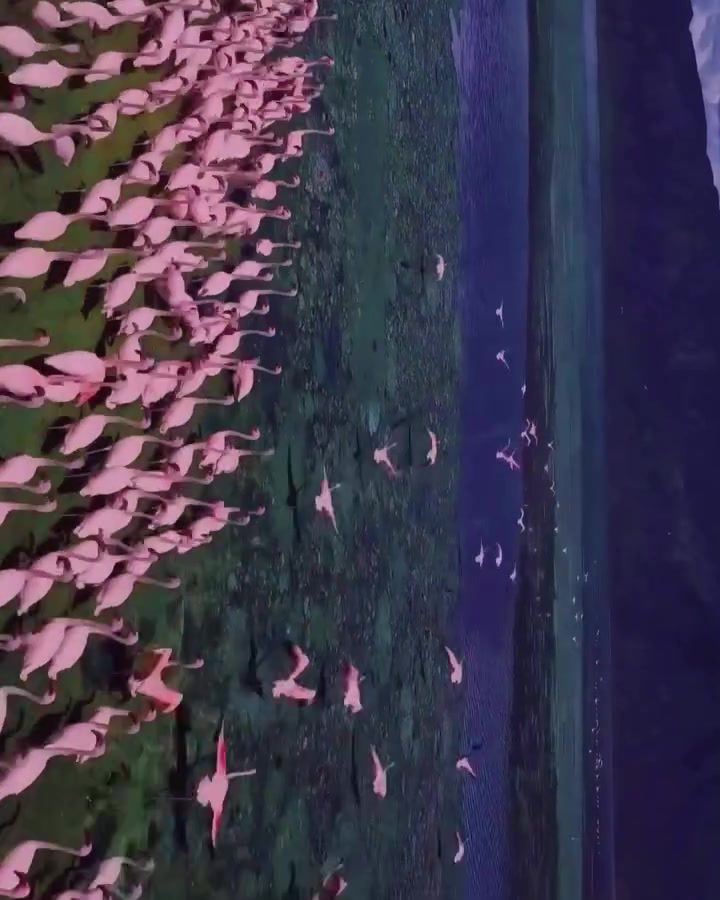
Lake Bogoria: Kenya's Pink Paradise
Lake Bogoria in Kenya is a sight to behold, particularly when thousands of flamingos gather along its shores, turning the landscape into a stunning sea of pink. This alkaline lake, nestled in the Great Rift Valley, is renowned for its geothermal hot springs, geysers, and the unique ecosystem that supports a thriving population of flamingos.
Why This Matters
Lake Bogoria's significance lies not only in its breathtaking beauty but also in its ecological importance. The lake's unique features create an environment where life flourishes in unexpected ways. Understanding this ecosystem can provide insights into how geothermal activity and alkaline conditions can support diverse wildlife.
The Wonders of Lake Bogoria
Geothermal Activity
Lake Bogoria is part of the larger geothermal landscape of the Great Rift Valley. The valley is a result of tectonic activity that has created a series of lakes, including Lake Bogoria. The geothermal activity in the area manifests in the form of hot springs and geysers, which are not only visually impressive but also play a crucial role in the lake's ecosystem. These geothermal features contribute to the lake's alkaline nature, which is essential for the survival of the blue-green algae that flamingos feed on.
The alkaline environment of the lake is a result of the geothermal activity and the mineral-rich water that flows into it. This creates a unique chemical composition that supports the growth of blue-green algae, which is the primary food source for the flamingos. The algae thrive in these conditions, providing a rich nutrient base for the birds.
The Flamingos' Role
Flamingos are a critical part of the Lake Bogoria ecosystem. These birds are iconic for their vibrant pink plumage, which is a result of the carotenoids in their diet. The blue-green algae that they feed on are rich in these carotenoids, contributing to their distinctive color. The flamingos’ presence in such large numbers is a testament to the health of the ecosystem.
The flamingos play a significant role in the lake's ecology. Their feeding habits help to maintain the balance of the algae population, preventing overgrowth that could disrupt the ecosystem. Additionally, their droppings contribute to the nutrient cycle, enriching the water and supporting the growth of other aquatic life.
Practical Tips for Visiting Lake Bogoria
Best Time to Visit
The best time to visit Lake Bogoria is during the dry season, from June to September. During this period, the weather is typically clear and dry, providing ideal conditions for wildlife viewing. The flamingos are also more likely to be present in large numbers during this time, as the water levels are lower, concentrating the algae and attracting more birds.
What to Bring
When planning a visit to Lake Bogoria, it's essential to come prepared. Bring a good pair of binoculars to get a closer look at the flamingos and other wildlife. A camera with a telephoto lens is also recommended to capture the stunning landscapes and wildlife. Comfortable walking shoes and lightweight, breathable clothing are essential, as the area can be hot and dusty. Additionally, don't forget to bring plenty of water, sunscreen, and a hat to protect yourself from the sun.
Where to Stay
There are several accommodation options near Lake Bogoria, ranging from camping to more luxurious lodges. For a closer experience with nature, consider camping at the lake. However, if you prefer more comfort, there are also lodges in the nearby town of Marigat that offer a range of amenities. Always check with local authorities or guides for the latest information on available accommodations and any potential restrictions.
Important Takeaways
Lake Bogoria is a natural wonder that showcases the beauty of Kenya's Great Rift Valley. Its unique ecosystem, supported by geothermal activity and alkaline conditions, creates a thriving habitat for thousands of flamingos. The lake's geothermal features, including hot springs and geysers, are not only visually stunning but also play a crucial role in maintaining the ecosystem. The flamingos, with their vibrant pink plumage, are a critical part of this ecosystem, helping to maintain the balance of algae and contributing to the nutrient cycle.
Conclusion
Lake Bogoria offers a unique and breathtaking experience for nature enthusiasts and travelers alike. The sight of thousands of flamingos turning the shoreline into a sea of pink is a sight to behold. Whether you're interested in the geological wonders of the Great Rift Valley, the unique ecosystem of the lake, or the vibrant flamingos, Lake Bogoria is a destination that promises to leave a lasting impression. Plan your visit to witness this natural wonder and experience the thrill of the pink flamingos firsthand.
Watch the Reel
Questions readers ask
Why do flamingos gather at Lake Bogoria?
Flamingos are drawn to Lake Bogoria due to its unique ecosystem, particularly the abundance of blue-green algae, which serves as their primary food source. The shallow, alkaline waters of the lake, combined with the warm temperatures, create an ideal environment for these algae to thrive, attracting large flocks of flamingos.
What causes Lake Bogoria to appear pink?
The vibrant pink color of Lake Bogoria is primarily due to the presence of blue-green algae and the high concentration of flamingos. The algae, which the flamingos feed on, contain a pigment called carotenoids, which gives the lake a pinkish hue. Additionally, the flamingos themselves contribute to the pink landscape when they gather in large numbers along the shoreline.
What makes the waters of Lake Bogoria alkaline?
The alkaline nature of Lake Bogoria's waters is a result of the geothermal activity in the region. Hot springs and geysers release minerals such as sodium, potassium, and bicarbonate into the lake, raising its pH levels and creating an alkaline environment. This unique chemical composition supports the growth of specific flora and fauna, such as the blue-green algae that sustain the flamingo population.
How does geothermal activity benefit the ecosystem of Lake Bogoria?
Geothermal activity plays a crucial role in maintaining the ecosystem of Lake Bogoria. The heat from the hot springs and geysers warms the lake's waters, preventing them from freezing and creating a stable environment for various organisms. Additionally, the minerals released by the geothermal activity contribute to the lake's alkaline conditions, which support the growth of blue-green algae and other unique life forms.
Is it possible to visit Lake Bogoria and see the flamingos?
Yes, Lake Bogoria is accessible to visitors and is a popular destination for those interested in witnessing the spectacular sight of thousands of flamingos. The lake is located in the Great Rift Valley, and there are organized tours and safari packages available from nearby towns such as Nakuru and Mara Serena. Visitors can enjoy the stunning pink landscape and observe the flamingos along the shoreline.
What other wildlife can be found in and around Lake Bogoria?
While flamingos are the most iconic inhabitants of Lake Bogoria, the lake and its surrounding area are home to a diverse range of wildlife. Other bird species, such as pelicans and cormorants, can be spotted in the vicinity. Additionally, the Great Rift Valley, where Lake Bogoria is situated, is known for its rich biodiversity, including various mammals, reptiles, and plant species.
Related deep dives
Similar reads based on topic and creator.




Recent articles
Fresh deep dives from the latest Reels we unpacked.



Comments
Be the first to comment.