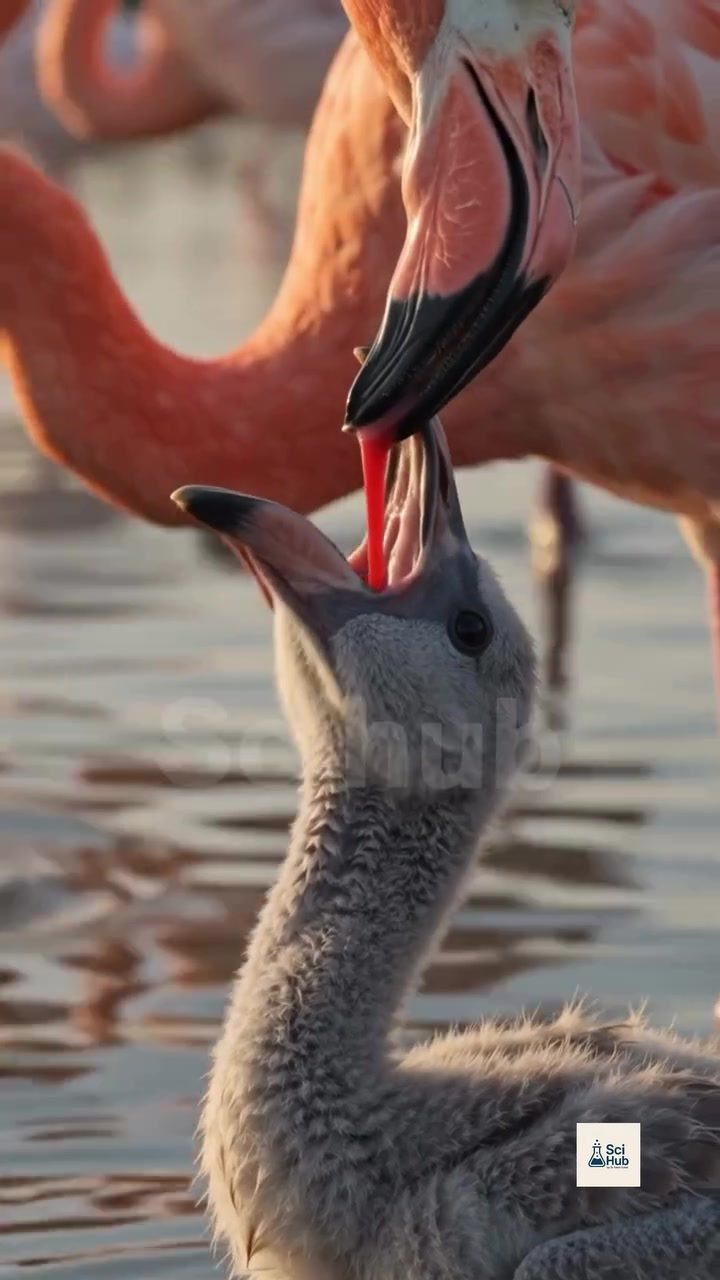
Flamingo Feeding: A Unique Form of Parental Care
Flamingo feeding behaviors reveal some of the most extraordinary forms of parental care in the animal kingdom. Both male and female flamingos exhibit a remarkable practice involving the production of a specialized red crop milk to nourish their chicks. Unlike many birds, which rely on regurgitated food, flamingos engage in a more direct and intimate feeding process.
Why This Matters
Understanding flamingo feeding habits offers insights into the intricate biology and social structures of these iconic birds. Their unique feeding method highlights the importance of both parents in nurturing their offspring, showcasing a strong parental bond. This behavior is not only fascinating but also crucial for the survival and development of flamingo chicks.
Flamingo Parental Care
Unique Feeding Behavior
Flamingos are known for their distinctive feeding behavior, which involves the transfer of a special red crop milk from the parents to their chicks. This milk is produced in the parental flamingo's upper digestive tract, specifically in the crop—a pouch-like structure in the throat. The red color of the crop milk comes from natural pigments, not from any injury to the parents.
Crop Milk Production
Both male and female flamingos produce this unique milk, which is rich in nutrients and antibodies essential for the chick's growth and immune system development. The transfer of crop milk is a meticulous process where the adult flamingo uses its curved beak to deliver the milk directly into the chick's mouth. This method ensures that the chick receives the necessary nourishment to thrive during its early stages of life.
Role of Both Parents
Flamingo parenting is characterized by the cooperative efforts of both parents. The male flamingo transfers the crop milk to the female, who then feeds it to the chick. This collaborative approach underscores the significance of both parents in the upbringing and survival of the offspring.
Evolutionary Advantages
The red crop milk provides several evolutionary advantages. It is highly nutritious, containing a high concentration of fat and proteins, which are crucial for the chick's rapid growth. Additionally, the high levels of antibodies in the crop milk help protect the chick from environmental pathogens, increasing its chances of survival in the wild.
Practical Tips for Observing Flamingo Feeding
Observing flamingo feeding behavior can be a rewarding experience for wildlife enthusiasts. Here are some practical tips to enhance your observation:
Patienience
When observing flamingos, patience is key. Flamingos are often found in large groups, and identifying individual feeding behaviors can take time. Spend ample time at the observation site to witness the unique feeding process.
Appropriate Equipment
Use binoculars or a telephoto lens to get a closer look at the flamingos without disturbing them. This equipment will allow you to observe the intricate details of their feeding behavior and the transfer of crop milk.
Respect Wildlife
Maintain a safe distance from the flamingos to avoid disturbing their natural behavior. Respect their habitat and follow any guidelines provided by wildlife authorities.
Timing
Flamingos are most active during the early morning and late evening hours. Plan your observation during these times to increase your chances of witnessing the feeding behavior.
Important Takeaways
Flamingo feeding behavior is a remarkable example of parental care in the animal kingdom. The production and transfer of red crop milk by both parents is a unique and vital process for the survival of flamingo chicks. Understanding this behavior not only enriches our appreciation for these birds but also highlights the importance of conservation efforts to protect their natural habitats.
Conclusion
Flamingo feeding behaviors offer a fascinating glimpse into the world of wildlife and the intricate ways in which animals care for their young. The production and transfer of red crop milk by both male and female flamingos underscore the importance of both parents in the upbringing of their offspring. This extraordinary form of parental care is not only a testament to the resilience and adaptability of flamingos but also a reminder of the delicate balance of nature.
Watch the Reel
Questions readers ask
What is flamingo crop milk and how is it produced?
Flamingo crop milk is a unique, red-colored substance produced by both male and female flamingos in their upper digestive tract, known as the crop. This milk is rich in nutrients and antibodies, essential for the growth and immune system development of their chicks. The production of this milk is a remarkable adaptation in the bird world, highlighting the specialized biology of flamingos.
How do flamingo parents feed their chicks?
Flamingo parents engage in a direct and intimate feeding process. They transfer the crop milk from their bills to the chicks' bills through a process called bill-to-bill feeding. This method ensures that the chicks receive the vital nutrients and antibodies directly, promoting their health and survival.
Why is flamingo crop milk red?
The red color of flamingo crop milk is due to the presence of carotenoids, pigments that flamingos obtain from their diet, which is rich in shrimp and algae. These pigments not only give the milk its distinctive color but also play a role in the overall health and coloration of the flamingos themselves, making it a critical component of their unique biology.
What role do both parents play in feeding their chicks?
Both male and female flamingos actively participate in feeding their chicks. They take turns producing crop milk and transferring it to the chicks. This shared responsibility is a key aspect of flamingo family bonds, ensuring that the chicks receive consistent and adequate nourishment, which is essential for their growth and survival.
How does flamingo feeding behavior benefit the chicks?
Flamingo feeding behavior benefits the chicks by providing them with a rich source of nutrients and antibodies crucial for their development. The direct transfer of crop milk ensures that the chicks receive immediate nourishment, which supports their growth and helps protect them from diseases, making it a vital component of their survival strategy.
What makes flamingo feeding unique compared to other birds?
Flamingo feeding is unique because both parents produce a specialized milk and engage in a direct, bill-to-bill feeding process rather than relying on regurgitated food. This method showcases a high level of parental care and bonding, setting flamingos apart from many other bird species, and making their feeding habits a fascinating subject in wildlife studies.
Related deep dives
Similar reads based on topic and creator.




Recent articles
Fresh deep dives from the latest Reels we unpacked.




Comments
Be the first to comment.