Candy Making: The Unexpected Ingredient
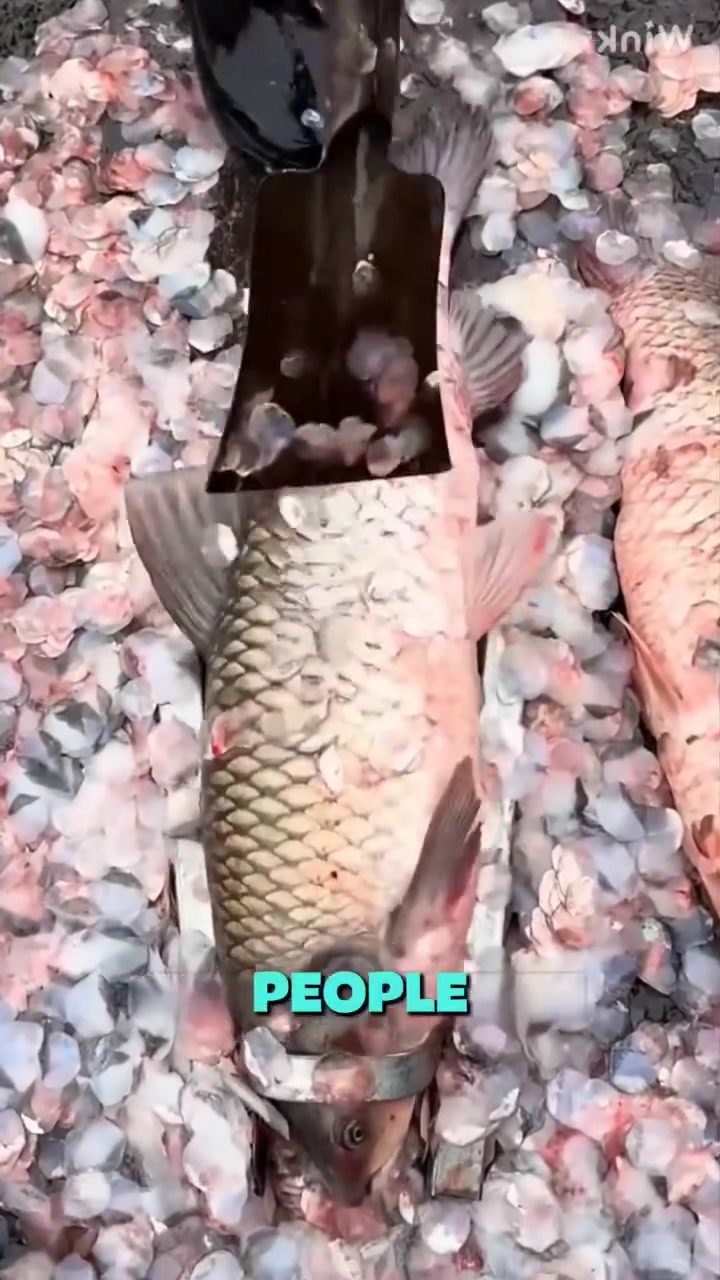
Candy making is an art that often relies on traditional ingredients and methods, but there's a less-known ingredient that has gained considerable attention in the industry. This ingredient is a byproduct of the seafood industry: fish scales. While many people associate fish scales with waste, seafood processors see them as valuable resources, which can be transformed into gelatin-based products.
Why This Matters
The candy industry is always on the lookout for innovative and sustainable ingredients. Using fish scales in candy production not only adds a unique twist to traditional recipes but also addresses environmental concerns by repurposing waste. By exploring this unconventional ingredient, the industry can discover new ways to create high-quality products while minimizing waste.
The Journey from Fish Scales to Candy
The Process of Fish Scale Collection
Seafood processing plants are at the forefront of this transformation. They collect fish scales by the ton daily, a stark contrast to the past when these scales were discarded as worthless waste. The collection process is meticulous, ensuring that every scale is accounted for and can be used in the production of gelatin.
Transforming Fish Scales into Gelatin
Once collected, the fish scales undergo a high-temperature processing to extract a gelatin-rich material. This material is then refined further to produce edible gelatin. The gelatin is a versatile ingredient used in various food products, including gummy candies, jelly, frozen foods, and nutritional supplements. The transformation from fish scales to gelatin highlights the potential value of materials that were once considered waste.
The Value of Reusing Discarded Materials
The journey of fish scales to gelatin-rich candy ingredients underscores the importance of sustainable practices in the food industry. By giving discarded materials a second life, the industry not only reduces waste but also unlocks new economic opportunities. This approach emphasizes the importance of circular economy principles, where resources are utilized to their fullest potential.
Practical Tips for Candy Makers
Exploring Alternative Ingredients
Candy makers can benefit from exploring alternative ingredients like fish scale-derived gelatin. This not only adds a unique element to their products but also positions them as innovative and environmentally conscious. Utilizing such ingredients can also help in creating a niche market for unique, sustainable candies.
Implementing Sustainable Practices
Implementing sustainable practices is essential for any modern candy maker. This includes sourcing ingredients responsibly, reducing waste, and exploring eco-friendly packaging options. By adopting these practices, candy makers can enhance their brand image and appeal to a growing consumer base that values sustainability.
Experimenting with Texture and Flavor
Using gelatin derived from fish scales can provide a unique texture and flavor profile to candies. Experimenting with different concentrations of gelatin and combining it with other natural ingredients can lead to a range of innovative and delicious candy creations.
Important Takeaways
Candy making with fish scales demonstrates the innovative potential of repurposing waste materials. This approach not only reduces environmental impact but also offers new economic and creative opportunities for the candy industry. By exploring unconventional ingredients and implementing sustainable practices, candy makers can contribute to a more circular and responsible food system.
Conclusion
The candy industry is continually evolving, and the use of fish scales in candy production is a testament to this evolution. By leveraging resources that were previously considered waste, the industry can create unique, sustainable, and valuable products. Whether you're a seasoned candy maker or a curious enthusiast, exploring the potential of fish scales in candy making can open up new avenues for innovation and sustainability.
Watch the Reel
Questions readers ask
What are fish scales and how are they used in candy making?
Fish scales are thin, protective layers covering a fish's body. In candy making, they are processed to create gelatin-like products, serving as a sustainable substitute for traditional gelatin. This involves cleaning, drying, and grinding the scales, then extracting the collagen, which can be used to set and thicken candies.
Why are fish scales considered a sustainable ingredient in candy production?
Fish scales are a byproduct of the seafood industry, which would otherwise go to waste. By using them in candy production, the seafood industry can reduce waste and the candy industry can incorporate a more sustainable ingredient, promoting a circular economy and minimizing environmental impact.
What types of candies can be made using fish scales?
Fish scale-derived gelatin can be used in a variety of candies that typically require gelatin for their texture and consistency. This includes gummies, marshmallows, and other chewy or gelling confections. Additionally, fish scale gelatin can be used to create vegan and vegetarian-friendly candies.
How does using fish scales in candy align with zero waste goals?
By upcycling fish scales, the candy industry contributes to a reduced environmental footprint. Fish scales, which would otherwise be discarded, are transformed into a valuable ingredient. This aligns with zero waste goals by minimizing waste sent to landfills, reducing the carbon footprint, and conserving natural resources.
Are there any health benefits to using fish scales in candy?
Fish scale gelatin is rich in collagen, which can contribute to improved skin, hair, and nail health, as well as joint support., though the exact benefits may not be as pronounced as with direct gelatin consumption. The fish scale gelatin can add a nutritional boost to the candy, making it a more health-conscious option.
What are the challenges of incorporating fish scales into candy production?
Incorporating fish scales into candy production requires overcoming certain challenges, such as ensuring a consistent supply of clean, high-quality scales, and developing specific processing methods to extract and stabilize the gelatin. However, the industry is finding ways to overcome these obstacles and create viable products.
How is the candy industry addressing environmental concerns with fish scales?
The candy industry addresses environmental concerns by repurposing fish scales, which reduces waste from the seafood industry. This not only supports sustainable practices but also reduces the reliance on traditional gelatin sources, which can have their own environmental impacts. By doing so, the industry can contribute to a more sustainable and eco-friendly approach to candy making.
Recent articles
Fresh deep dives from the latest Reels we unpacked.




Comments
Be the first to comment.