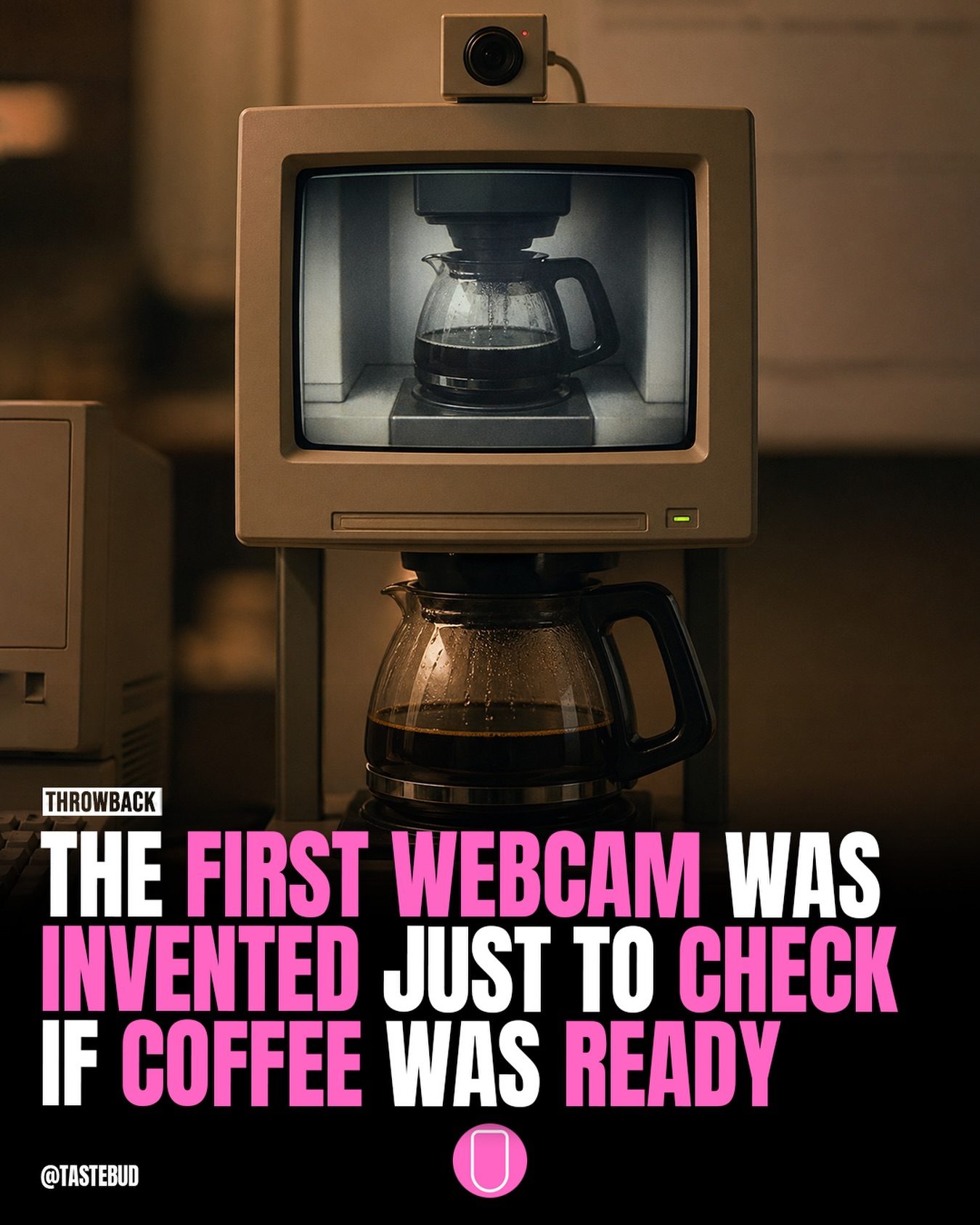
The First Webcam Was Invented to Check if Coffee Was Ready
From a simple coffee maker to a groundbreaking invention, the story behind the first webcam is as fascinating as it is unexpected. When you drink a cup of coffee, you might not realize that you’re indirectly enjoying a technological breakthrough. The humble coffee maker holds that surprising title, so let’s dive into the story.
Why This Matters
The invention of the webcam is a prime example of how a simple, practical solution can evolve into a major technological milestone. It’s a testament to human ingenuity and the power of necessity. Understanding this history not only adds a new layer to your appreciation of everyday tech but also offers a glimpse into how small innovations can ripple into significant technological advancements.
Main Discussion
The Birth of the Webcam
The first webcam was invented in the early 1990s, long before the internet became a household necessity. It was created not for video conferencing or virtual meetings, but to monitor a coffee pot in a research lab. The researchers at the University of Cambridge in the UK were tired of walking to the kitchen only to find an empty pot. To solve this problem, they set up a camera to monitor the coffee pot remotely. The first webcam's sole purpose was to inform the researchers if the coffee was ready, and it was a big hit in the lab.
The Evolution of Live Streaming
Initially, the technology was rudimentary, but it quickly set the stage for what we know as live streaming today. This seemingly trivial invention laid the groundwork for real-time video transmission, which is now a core feature of modern communication.
From Coffee to Connections
As webcam technology advanced, it began to be used for more than just monitoring coffee pots. The first webcam, named “XCoffee,” streamed images from the Trojan Room's coffee pot at the University of Cambridge at a frame rate of one image every 30 seconds. The live feed was a hit, and within a year, people from all over the world were tuning in to check if the coffee pot was ready.
This simple live-streaming feature turned into a massive technological milestone. It paved the way for the development of modern webcams, which are now integral to various industries, from healthcare to education and entertainment.
Practical Tips
For Webcam Users
Whether you’re a casual user or a professional, here are some practical tips to get the most out of your webcam:
- Positioning Matters: Place your webcam at eye level to ensure a natural and engaging gaze. This can make a significant difference in how you’re perceived during video calls.
- Lighting Is Key: Use natural light or artificial lighting to illuminate your face evenly. Avoid harsh backlighting, which can cast shadows and make it difficult for others to see you clearly.
- Background Check: Ensure your background is clean and uncluttered. A simple, neutral backdrop can help keep the focus on you and your message.
- Audio Quality: Don’t forget about sound; invest in a good quality microphone. Clear audio is just as important as a clear video feed.
For Coffee Enthusiasts
For those who enjoy a freshly brewed cup of coffee, consider these tips:
- Choose the Right Coffee Maker: Invest in a reliable coffee maker that suits your needs, whether it's a drip machine, French press, or espresso maker.
- Maintain Your Equipment: Regular cleaning and maintenance can significantly extend the lifespan of your coffee maker. Follow the manufacturer’s guidelines for the best results.
- Experiment with Beans: Try different types of coffee beans to find the flavor profile that suits your taste. Freshly ground beans can make a world of difference in your brew.
Important Takeaways
The invention of the webcam from a simple coffee pot monitoring device highlights several important points:
-
Innovation Starts with Small Ideas: Even the most groundbreaking technologies can originate from simple, everyday problems.
-
Live Streaming’s Potential: What began as a novelty for coffee lovers has evolved into a technology that supports global communication, entertainment, and even telemedicine.
-
Human Ingenuity: The story of the first webcam is a testament to human creativity and problem-solving skills. It shows how a simple need can lead to significant technological advancements.
Conclusion
The journey from a coffee pot to a groundbreaking webcam is a fascinating tale of innovation and human ingenuity. It serves as a reminder that even the most mundane objects can inspire significant technological advancements. So, the next time you enjoy a cup of coffee, remember that you’re part of a technological legacy that started in a research lab and changed the world.
Watch the Reel
Questions readers ask
What was the first webcam used for?
The first webcam was designed to monitor a coffee pot in the Trojan Room at the University of Cambridge. It allowed researchers to check if the coffee was ready and avoid unnecessary trips to the kitchen.
Who invented the first webcam?
The first webcam was invented by a group of researchers from the University of Cambridge, including Quentin Stafford-Fraser, Paul Jardetzky, and others.
What was the significance of the first webcam?
The first webcam revolutionized communication and remote monitoring. It demonstrated the potential of using simple, low-resolution cameras to transmit images over the internet, paving the way for modern webcam technology.
How did the invention of the webcam impact technology?
The webcam invention showcased how a simple idea can evolve into a key component of modern technology. It sparked innovations in video conferencing, security systems, and online communication platforms.
When was the first webcam created?
The first webcam was created in 1991. It was put into operation to remotely monitor a coffee pot at the University of Cambridge. It captured images every few seconds and displayed them on a web page.
What was the technology behind the first webcam?
The first webcam used a simple black-and-white camera and a personal computer to capture and transmit images. The images were updated at regular intervals and displayed on an internal web page accessible to the researchers.
How did the webcam invention start a tech revolution?
The webcam invention started a tech revolution by proving the concept of real-time video streaming over the internet. This led to advancements in remote monitoring, video conferencing, and online collaboration tools.
Related deep dives
Similar reads based on topic and creator.


Recent articles
Fresh deep dives from the latest Reels we unpacked.




Comments
Be the first to comment.