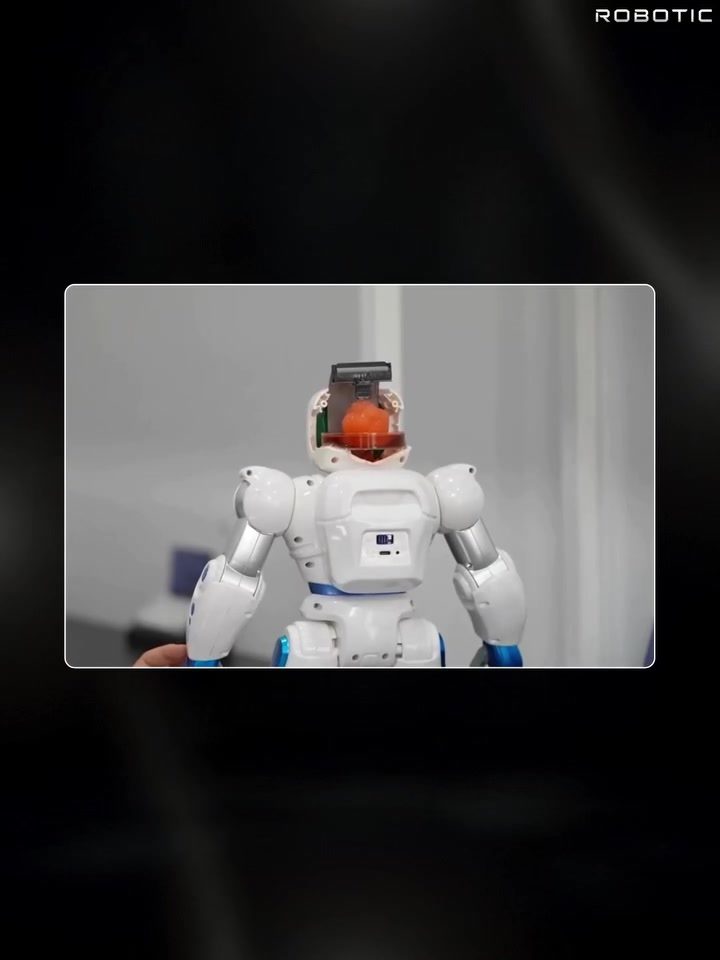
Bio-hybrid robotics combines biological and artificial components to create intelligent machines. The recent development of a robot powered by lab-grown human brain cells marks a significant advancement in this field.
The Genesis of Bio-Hybrid Robotics
Chinese researchers from Tianjin University and the Southern University of Science and Technology have made a groundbreaking discovery. They created the world’s first robot powered by a living, lab-grown human brain, representing a major leap in bio-hybrid robotics. This innovation involves integrating a human brain organoid, cultivated from stem cells, with a neural interface chip. The resulting system allows the robot to perform complex tasks autonomously, such as obstacle avoidance, target tracking, and object grasping. The project builds on earlier research, including Australia’s DishBrain experiment, which also explored the integration of living neurons with technology.
The Living Brain on a Chip
The core innovation lies in the use of a "brain" cultured in vitro, similar to an organoid grown in a cell culture dish. This brain is cultivated using biotechnology and stem cell technology, which sets it apart from classic brain-computer interfaces. The biological neurons within the organoid communicate through electrical signals, enabling the robot to learn from experience and adapt to its environment. This approach offers several advantages over traditional AI algorithms, including greater learning efficiency and lower energy consumption.
Meta-BOC: The Integration of Biological and Artificial Components
Meta-BOC, or Meta-Brain on a Chip, is the system that brings this technology to life. Scientists embedded a neural interface chip into the lab-grown brain, which was then integrated into a robot. This system allows for autonomous control, enabling the robot to perform tasks like obstacle avoidance, tracking, and grasping. The system's developer emphasized that this technology offers a new path to creating smart robots, moving away from reliance on AI algorithms. This shift could revolutionize robotics by providing more efficient and adaptive machines.
Why This Matters
Bio-hybrid robotics holds immense potential for various applications, from industrial automation to healthcare. By leveraging the adaptive learning capabilities of biological neurons, these robots can perform tasks with greater efficiency and accuracy. This technology could also pave the way for more advanced prosthetics and assistive devices, providing new possibilities for human augmentation.
Potential Applications
- Industrial Automation: Robots equipped with biological neurons could perform complex tasks in manufacturing, logistics, and other industrial sectors with greater precision and adaptability.
- Healthcare: Bio-hybrid robots could be used in medical procedures, providing more accurate and less invasive solutions for diagnostics and treatment.
- Assistive Devices: This technology could lead to the development of advanced prosthetics, allowing users to control their devices with greater dexterity and sensitivity.
- Research and Development: The integration of biological and artificial components could lead to new discoveries in neuroscience and robotics, pushing the boundaries of both fields.
Practical Tips
For those interested in exploring bio-hybrid robotics, here are some practical tips to get started:
Engage with the Community
Join research groups and online communities focused on bio-hybrid robotics. Engaging with experts and enthusiasts can provide valuable insights and opportunities for collaboration. Additionally, attending conferences and workshops can offer hands-on experience and the latest updates in the field.
Explore Educational Resources
Learn about the fundamentals of biotechnology, stem cell technology, and robotics. Several online courses and textbooks are available to help you build a solid foundation. Some key areas to focus on include neural interfaces, bio-sensing, and bio-mechanics.
Experiment with Basic Models
Begin with simple models and experiments to gain practical experience. For instance, you can start by culturing basic organoids and integrating them with simple neural interfaces. As you gain proficiency, you can gradually move to more complex systems. Make sure to follow ethical guidelines and safety protocols when working with bio-hybrid technologies.
Collaborate with Researchers
Reach out to researchers and scientists working in the field. Collaborating with experts can provide access to advanced resources and equipment, as well as opportunities for publication and presentation.
Important Takeaways
The development of a robot powered by lab-grown human brain cells represents a significant milestone in bio-hybrid robotics. This technology offers a new path to creating smart robots by leveraging the adaptive learning capabilities of biological neurons. The potential applications are vast, ranging from industrial automation to healthcare and assistive devices. As this field continues to evolve, it promises to revolutionize various sectors, offering new possibilities for innovation and discovery.
Conclusion
Bio-hybrid robotics is at the forefront of technological innovation, blending the precision of robotics with the adaptability of biological systems. The successful integration of a living brain on a chip into a robot marks a significant step toward creating more intelligent and efficient machines. As researchers and engineers continue to explore this field, the potential applications and benefits will only grow. Whether in industrial automation, healthcare, or assistive devices, bio-hybrid robotics is poised to make a profound impact on our world.
Watch the Reel
Questions readers ask
How do living human brain cells control the robot's actions?
The robot is controlled by a living, lab-grown human brain organoid, which is connected to a neural interface chip. This interface translates the brain signals into commands that the robot can execute, allowing it to perform tasks such as obstacle avoidance and object grasping.
What is a brain organoid, and how is it used in this robot?
A brain organoid is a miniature, simplified version of the human brain, grown from stem cells in a lab. In this robot, the brain organoid is integrated with a neural interface chip, enabling it to send and receive signals to control the robot's movements and adapt to its environment.
Which institutions were involved in developing the first brain-controlled robot?
The development of the first brain-controlled robot is a collaborative effort between researchers at Tianjin University and the Southern University of Science and Technology, both located in China.
What are some of the complex tasks that this bio-hybrid robot can perform?
The robot demonstrates several advanced capabilities, including obstacle avoidance, target tracking, and object grasping. These tasks show the potential of bio-hybrid robotics in creating intelligent machines that can learn and adapt to their surroundings.
How does this advancement in bio-hybrid robotics differ from traditional robotics?
Unlike traditional robotics, which relies solely on artificial components and pre-programmed instructions, bio-hybrid robotics integrates living biological components, such as human brain cells. This allows the robot to learn from its environment and adapt its behavior over time, mimicking some aspects of human cognition.
What are the potential applications of robotics technology powered by living human brain cells?
While the current application is primarily experimental, robotics technology powered by living human brain cells could potentially be used in various fields. These include medical research, where robots could simulate human responses to treatments, or in developing advanced prosthetics that adapt more intuitively to the user's needs.
What role do stem cells play in the development of this bio-hybrid robot?
Stem cells are crucial in the development of this bio-hybrid robot as they are used to cultivate the human brain organoid. The stem cells are grown and differentiated into neurons, forming the basis of the brain organoid that controls the robot.
Related deep dives
Similar reads based on topic and creator.




Recent articles
Fresh deep dives from the latest Reels we unpacked.




Comments
Be the first to comment.