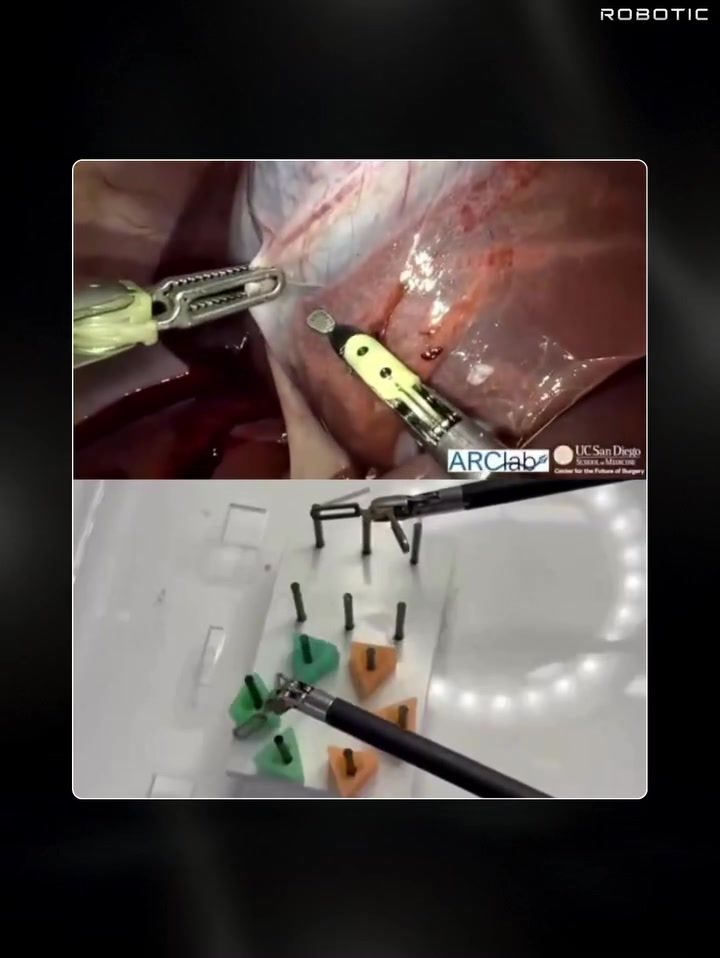
Robotic Surgery: Revolutionizing Minimally Invasive Procedures
Robotic surgery has reached a groundbreaking milestone with the successful completion of live preclinical surgeries using teleoperated humanoid robots. Researchers at UC San Diego, in collaboration with ARCLab, have demonstrated the potential of robotic systems in performing complex surgical procedures with unprecedented precision and flexibility.
Why This Matters
The development of robotic surgical systems represents a significant advancement in medical technology. These systems offer several advantages over traditional surgical methods, including reduced physical strain on surgeons, improved precision, and the potential to expand access to advanced surgical care in remote or underserved areas. The successful implementation of humanoid robots in surgery could revolutionize healthcare delivery, making it more accessible and efficient.
The ARCLab Robotic Surgical System
Key Anatomical Structures
The surgical procedure begins with the identification of key anatomical structures, including the gallbladder, liver, and the cystic artery and duct. These structures are crucial for carrying blood and bile to the gallbladder. Accurate identification and understanding of these structures are essential for a successful surgical outcome.
Clearing Tissue and Exposing Structures
Once the key anatomy is identified, the surgeon begins clearing tissue near the junction between the gallbladder, liver, and bile ducts. This step is critical as it gradually exposes the structures that must be clearly seen before the gallbladder can be safely removed. The process involves meticulous tissue manipulation to ensure that no vital structures are damaged.
Real-Time Instrument Control
One of the standout features of the ARCLab robotic surgical system is the real-time translation of the surgeon's hand movements to the humanoid robot's arms. This seamless integration allows for smooth and precise instrument control, enhancing the surgeon's ability to perform complex procedures with greater accuracy.
Console-Based Approach
The surgeon operates from a control console, where their hand movements are translated in real-time to the robotic arms. This console-based approach not only improves surgeon ergonomics but also reduces physical strain. Gallbladder surgery often requires sustained gripping and fine wrist movements, which can be physically demanding. By operating from a seated console, surgeons experience less strain, and the workflow resembles that of established surgical robotic systems.
Practical Tips for Surgeons
Enhancing Precision
Surgeons can enhance precision by taking advantage of the real-time translation of hand movements to the robotic arms. This feature allows for more controlled and accurate movements, reducing the risk of errors during the procedure.
Improving Ergonomics
Operating from a seated console can significantly reduce physical strain. Surgeons should consider incorporating ergonomic practices into their workflow, such as taking regular breaks and maintaining proper posture, to further enhance their comfort and performance.
Utilizing Assistant Robots
The use of humanoid robots as bedside assistants can greatly improve the efficiency of surgical procedures. Surgeons can direct these robots to hold tissue and adjust the camera, freeing up their hands for more critical tasks. This collaborative approach between human expertise and robotic precision can lead to better surgical outcomes.
Important Takeaways
The success of the ARCLab robotic surgical system in performing live preclinical surgeries highlights several key takeaways:
- Precision and Control: The real-time translation of hand movements to robotic arms enables precise and controlled surgical procedures.
- Ergonomic Benefits: Operating from a control console reduces physical strain on surgeons, making the surgical process more comfortable and efficient.
- Flexibility and Versatility: The compact Surgie platform uses standard surgical instruments, making it more flexible and adaptable to various surgical procedures.
- Collaborative Approach: The integration of humanoid robots as bedside assistants enhances the collaborative nature of surgical procedures, improving overall efficiency and accuracy.
Conclusion
The advancements in robotic surgical systems, as demonstrated by the ARCLab team at UC San Diego, are paving the way for a new era in medical technology. These systems offer significant benefits in terms of precision, ergonomics, and flexibility, making them a valuable addition to modern surgical practices. As research continues to improve speed and reduce latency, the potential for delivering advanced surgical care in remote communities, disaster zones, and even future space missions becomes increasingly feasible. The future of robotic surgery is bright, and the innovations seen today are just the beginning of what is possible.
Watch the Reel
Questions readers ask
What makes the live preclinical surgeries at UC San Diego significant?
These surgeries mark the first time humanoid robots have been used to perform live surgical procedures. This achievement demonstrates the potential of robotic surgery to revolutionize minimally invasive procedures and expand access to advanced surgical care.
What are the primary benefits of using humanoid robots in surgery?
Humanoid robots in surgery offer several benefits, including reduced physical strain on surgeons, enhanced precision in performing complex procedures, and the ability to provide surgical care in remote or underserved areas.
How do humanoid robots enhance surgical precision?
Humanoid robots are designed to mimic human movements with great accuracy and control, allowing for precise and steady movements in surgical procedures. This precision helps to minimize errors and improve patient outcomes.
What role does teleoperation play in these robotic surgeries?
Teleoperation allows human surgeons to control the humanoid robots from a distance. This capability is crucial for expanding access to surgical care, as it enables experts to perform surgeries in remote or underserved areas where specialized surgeons might not be available.
What are some of the potential challenges in implementing humanoid robots in surgical settings?
Challenges include ensuring seamless communication and control between the human surgeon and the robot, addressing technical issues, and navigating regulatory and ethical considerations. Additionally, integrating these robots into existing healthcare systems requires careful planning and training.
Related deep dives
Similar reads based on topic and creator.



Recent articles
Fresh deep dives from the latest Reels we unpacked.




Comments
Be the first to comment.