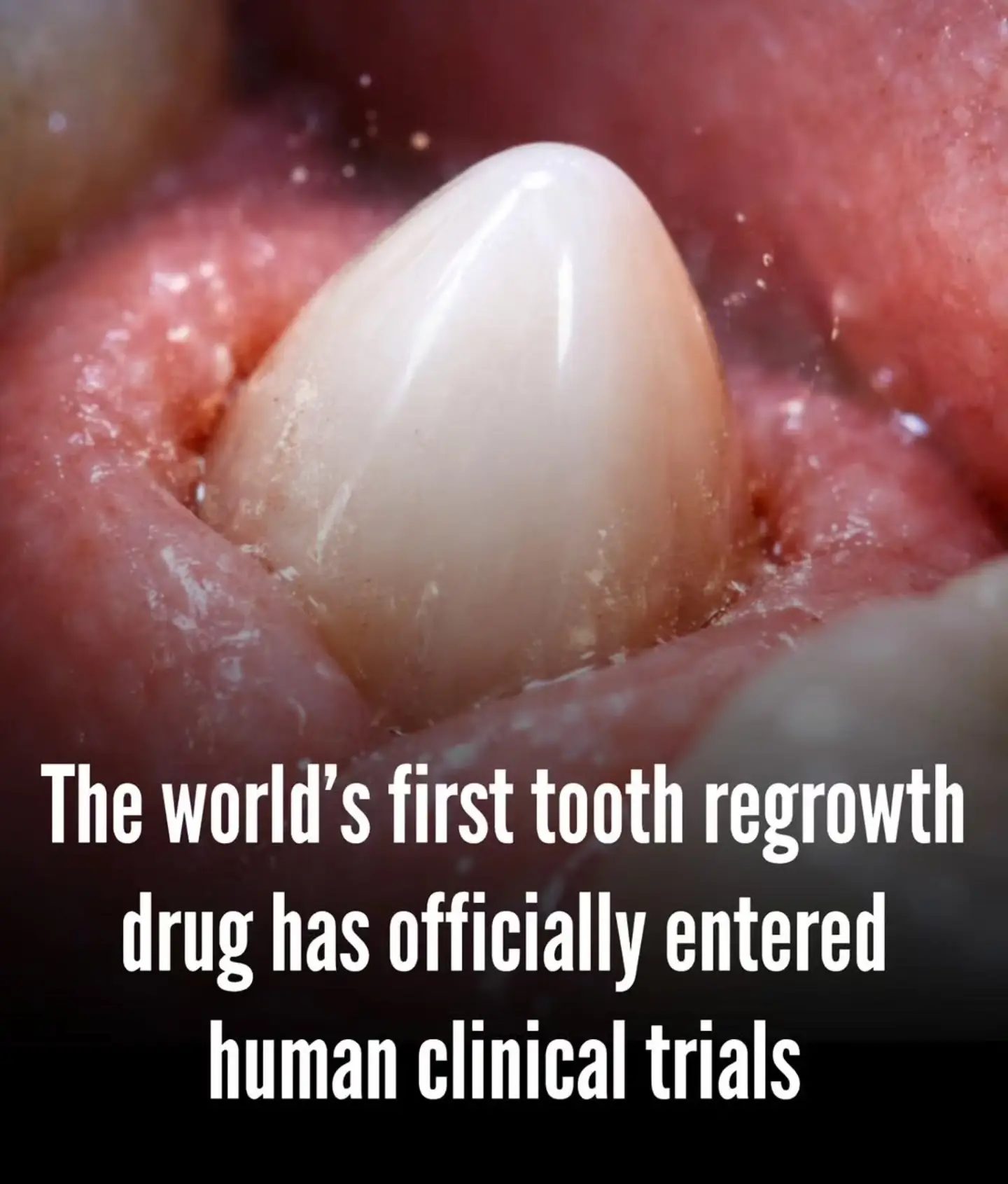
Tooth Regrowth Drug Trials
Tooth regrowth is no longer a far-fetched concept confined to the realm of science fiction. For the first time, a drug designed to trigger the growth of new teeth in humans has entered human clinical trials. This groundbreaking development targets a protein known as USAG-1, which naturally suppresses the formation of extra teeth. By blocking this protein, researchers aim to reactivate the body's dormant mechanism for tooth regeneration, potentially leading to the growth of entirely new, functional teeth.
Why This Matters
The implications of successful tooth regrowth trials are profound. Unlike traditional dental implants or dentures, which are prosthetic solutions, the new drug leverages the body's natural regenerative processes. This means that if proven effective, it could lead to the growth of real, living teeth with natural roots and a biological connection to the jawbone. Such a breakthrough could revolutionize dentistry, offering a permanent solution for tooth loss and related issues.
The Science Behind Tooth Regrowth
Understanding USAG-1
USAG-1 is a protein that plays a crucial role in tooth development. In laboratory experiments, researchers have found that by blocking or inhibiting USAG-1, they can stimulate the growth of new teeth. This discovery has opened up new avenues for dental research, focusing on the possibility of reactivating the body's innate ability to regenerate teeth.
Dormant Tooth Buds
Scientists believe that humans may possess dormant "third tooth buds" within the jaw. These structures, which remain inactive throughout life, could potentially be reactivated by the new drug. By targeting USAG-1, researchers hope to unlock the dormant mechanism that allows for the growth of new teeth, a process that could transform the future of dental care.
The Regeneration Process
The approach involves more than just blocking a specific protein. It harnesses the body’s natural regenerative capabilities. Unlike traditional dental restorations, this method focuses on promoting biological growth rather than artificial replacement. This means the new teeth would be fully functional and integrated with the jawbone, providing a more natural and permanent solution for tooth loss.
Clinical Trials and Future Prospects
Current Progress
The drug has entered human clinical trials, marking a significant milestone in dental science. These trials are crucial for determining the drug's safety and efficacy in humans. Success in these trials could lead to widespread adoption of this innovative approach, offering a new standard of care for dental patients.
Potential Impact
If the trials prove successful, this technology could permanently change the future of dentistry. The ability to regrow teeth would address a wide range of dental issues, from congenital tooth absence to tooth loss due to injury or disease. This advancement could significantly improve the quality of life for millions of people worldwide, reducing the need for invasive dental procedures and providing a more natural solution to tooth loss.
Practical Tips
While the clinical trials are ongoing, there are several practical tips to keep in mind if you are considering or waiting for this breakthrough:
Maintain Good Oral Hygiene
Practicing good oral hygiene is crucial for maintaining the health of your teeth and gums. Regular brushing, flossing, and dental check-ups can prevent tooth decay, gum disease, and other oral health issues. This is especially important while waiting for the new drug to complete clinical trials.
Regular Dental Check-ups
Regular visits to the dentist can help detect any issues early, allowing for timely intervention. Dental professionals can provide guidance on maintaining oral health and may offer preventive treatments to protect your teeth and gums.
Diet and Nutrition
A balanced diet rich in vitamins and minerals can support overall oral health. Foods high in calcium, phosphorus, and vitamin D are particularly beneficial for teeth and bones. Avoid sugary and acidic foods that can contribute to tooth decay.
Avoid Smoking and Excessive Alcohol
Smoking and excessive alcohol consumption can negatively impact oral health. Smoking can lead to gum disease and tooth loss, while excessive alcohol can weaken teeth and gums. Limiting or avoiding these habits can help maintain better oral health.
Important Takeaways
Tooth regrowth represents a revolutionary advancement in dental science. By targeting the USAG-1 protein, researchers aim to reactivate the body's dormant mechanism for tooth regeneration. This approach promises to offer a more natural and permanent solution to tooth loss compared to traditional implants and dentures.
The clinical trials currently underway are pivotal for determining the safety and efficacy of the drug. If successful, this breakthrough could transform dentistry, offering a new standard of care for millions of people worldwide.
Conclusion
The possibility of growing new teeth is no longer a distant dream. With the recent entry of a tooth regrowth drug into human clinical trials, we stand on the brink of a dental revolution. By leveraging the body's natural regenerative capabilities, this innovative approach holds the promise of a more natural and permanent solution to tooth loss. As we await the results of these trials, maintaining good oral hygiene and regular dental check-ups remains essential for preserving oral health. The future of dentistry looks brighter than ever, with the potential to improve the lives of millions of people around the world.
Watch the Reel
Questions readers ask
What is the primary goal of the first human trials for the tooth regrowth drug?
The primary goal is to test the drug's ability to stimulate the growth of new, functional teeth in humans by targeting the USAG-1 protein, which typically suppresses tooth formation.
How does the tooth regrowth drug work?
The drug works by blocking the USAG-1 protein. This protein naturally prevents the formation of extra teeth. By blocking USAG-1, the drug aims to reactivate the body's natural tooth regeneration mechanisms, potentially leading to the growth of new teeth.
What makes this tooth regrowth drug different from traditional dental implants or dentures?
Unlike traditional dental implants or dentures, which are prosthetic solutions, the tooth regrowth drug leverages the body's natural regenerative processes to grow new, functional teeth from within.
What is the significance of targeting the USAG-1 protein in tooth regrowth research?
The USAG-1 protein is significant because it plays a crucial role in suppressing the formation of extra teeth. By targeting and blocking this protein, researchers hope to unlock the body's dormant ability to regrow teeth.
What are the potential benefits of successful human tooth regrowth trials?
Successful trials could lead to a permanent solution for tooth loss. Unlike prosthetics, new teeth grown through regenerative processes would integrate naturally with the body, providing a more long-term and holistic solution.
What stage of development is the tooth regrowth drug currently in?
The tooth regrowth drug has entered the clinical trials stage, marking the first time it is being tested on humans. This phase is crucial for assessing the drug's safety and efficacy in real-world applications.
Who is conducting the first human trials for the tooth regrowth drug?
The trials are being conducted by a team of dedicated scientists focusing on tooth regrowth. These scientists are exploring innovative ways to harness the body's natural regenerative capabilities to grow new teeth.
Related deep dives
Similar reads based on topic and creator.



Recent articles
Fresh deep dives from the latest Reels we unpacked.




Comments
Be the first to comment.