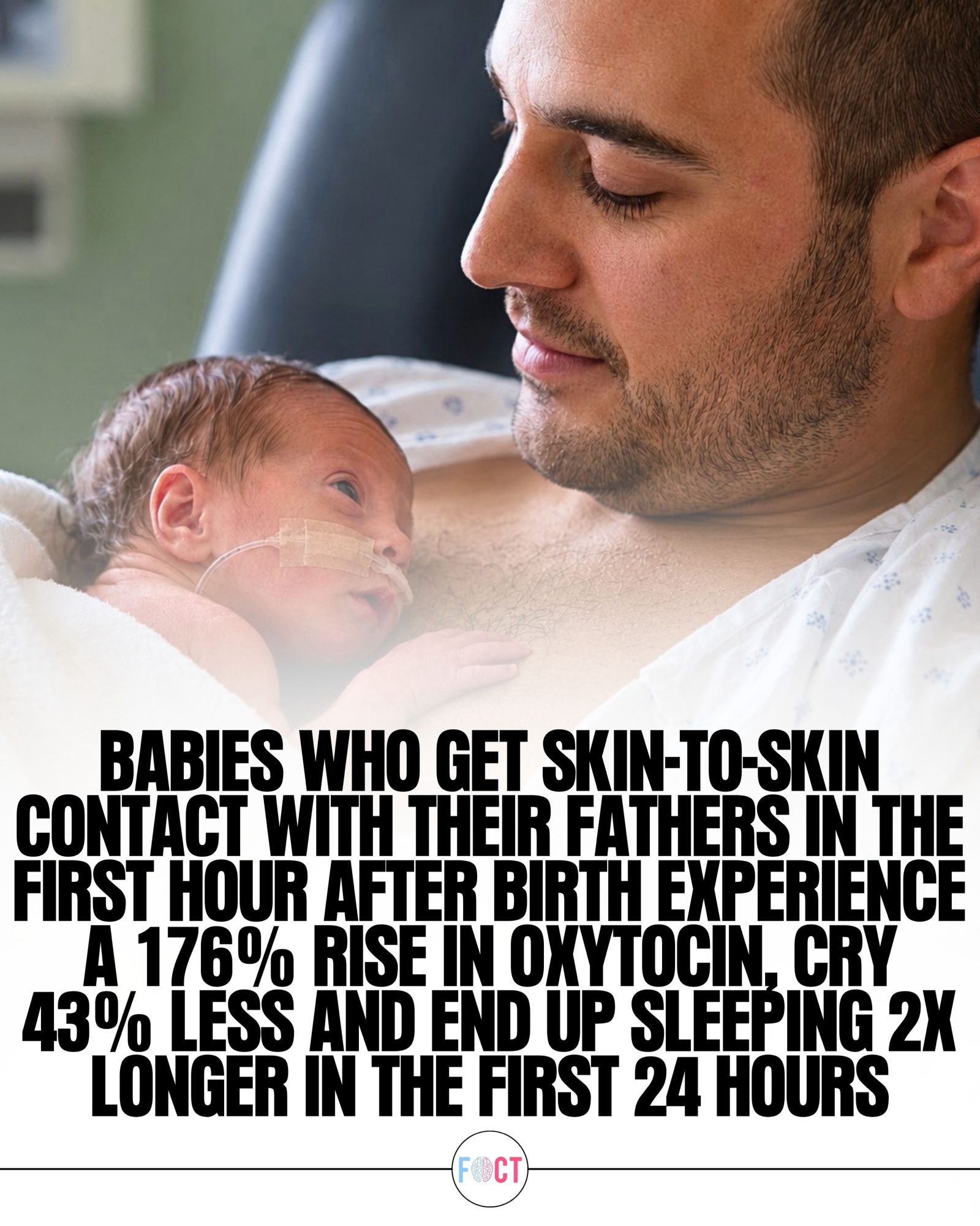
Skin-to-Skin Contact Between Fathers and Newborns: Benefits and Importance
Skin-to-skin contact between fathers and newborns in the first moments after birth is a powerful way to foster early bonding and support the well-being of both the baby and the father. This practice involves placing the baby directly on the father's bare chest, allowing the baby to experience the warmth, heartbeat, and voice of the father. This direct contact can have a profound impact on the baby's physiological and emotional development.
Skin-to-skin contact immediately post-birth can significantly influence the baby. The baby's exposure to the father's heartbeat, warmth, and voice can help regulate stress and promote a sense of calmness. This immediate bonding can also improve the baby's sleep patterns, reduce crying, and enhance the father's emotional connection and confidence in caring for the newborn.
Why This Matters
Early bonding between a father and a newborn is crucial for several reasons. The first moments after birth are a critical window for establishing a strong emotional connection. Skin-to-skin contact facilitates this bonding by providing a sense of security and comfort to the baby. This practice can also have lasting benefits for the father, enhancing his emotional connection and confidence in his role as a caregiver.
The immediate benefits of skin-to-skin contact are well-documented. Babies who experience this practice within the first hour after birth exhibit a 176% rise in oxytocin levels. Oxytocin, often referred to as the "love hormone," plays a crucial role in bonding and emotional well-being. Additionally, these babies cry 43% less and sleep twice as long in the first 24 hours compared to those who do not have this contact. These physiological and behavioral changes highlight the importance of skin-to-skin contact in promoting a calm and stable environment for the newborn.
Main Discussion
Physiological Benefits
The physiological benefits of skin-to-skin contact are manifold. The increased oxytocin levels in the baby contribute to a sense of calm and reduce stress. This hormonal response is not limited to the baby; fathers also experience a rise in oxytocin, which can enhance their emotional connection and bonding with the newborn.
The warmth and heartbeat of the father provide a comforting and familiar environment for the baby. This sensory experience helps the baby feel secure and calm, reducing the likelihood of crying and promoting longer sleep periods. These physiological benefits lay the foundation for a strong emotional bond between the father and the baby.
Emotional and Psychological Impact
The emotional and psychological impact of skin-to-skin contact extends beyond the immediate benefits. For the father, this practice can strengthen his emotional connection with the newborn and boost his confidence in his role as a caregiver. The physical closeness and direct interaction with the baby can foster a deeper sense of responsibility and attachment.
For the baby, the emotional benefits are equally significant. The sense of security and comfort provided by the father's touch can promote a strong emotional bond, which is essential for the baby's social and emotional development. This early bonding can have lasting effects on the baby's well-being and future relationships.
Practical Tips
Implementing skin-to-skin contact between fathers and newborns can be a rewarding experience. Here are some practical tips to make the most of this practice:
Timing and Environment
The ideal time for skin-to-skin contact is within the first hour after birth. Ensure a quiet and comfortable environment to minimize distractions and promote a relaxing atmosphere. The father should be in a comfortable position, either sitting or lying down, with the baby placed directly on his bare chest.
Duration and Frequency
While the immediate benefits of skin-to-skin contact are significant, it's also beneficial to continue this practice regularly. Aim for at least 15-30 minutes of skin-to-skin contact multiple times a day. This consistent interaction can reinforce the emotional bond and provide ongoing physiological benefits for both the baby and the father.
Tips for Comfort and Safety
Ensure the baby's safety by keeping the environment warm and free from drafts. Cover the baby and the father with a blanket to maintain a comfortable temperature. Monitor the baby's breathing and position to ensure they are safe and comfortable.
Important Takeaways
Skin-to-skin contact between fathers and newborns is a powerful practice that offers numerous benefits for both parties. The immediate physiological and emotional benefits, such as increased oxytocin levels, reduced crying, and longer sleep duration, highlight the importance of this practice.
For fathers, skin-to-skin contact can enhance their emotional connection and confidence in caring for the newborn.
For babies, the practice promotes a sense of security, calmness, and emotional well-being. Implementing skin-to-skin contact regularly can have lasting benefits for both the father and the baby, fostering a strong bond and promoting overall well-being.
Conclusion
The benefits of skin-to-skin contact between fathers and newborns are undeniable. This practice supports early bonding, promotes physiological well-being, and enhances the emotional connection between the father and the baby. By understanding and implementing this practice, fathers can play a crucial role in the baby's development and well-being.
Encouraging skin-to-skin contact is not just about the immediate benefits but also about fostering a lifelong bond between the father and the baby. Simple physical closeness in early life can have lasting effects on the baby's development and the father's emotional well-being. Embrace this practice to create a strong foundation for a loving and supportive relationship.
Watch the Reel
Questions readers ask
Why is skin-to-skin contact between fathers and newborns important in the first hour after birth?
The first hour after birth is a critical window for bonding. Skin-to-skin contact during this time helps to regulate the baby's stress levels, promotes calmness, and enhances the father-newborn bond. It also positively impacts the baby's sleep patterns and physiological development.
What is the significance of oxytocin in father-newborn skin-to-skin contact?
Oxytocin, often referred to as the 'love hormone,' is released during skin-to-skin contact. This hormone plays a crucial role in bonding and can enhance the emotional connection between the father and newborn. Increased oxytocin levels can also contribute to the father's sense of well-being and parenthood.
How does skin-to-skin contact affect a newborn's sleep patterns?
Skin-to-skin contact immediately after birth can help regulate a baby's sleep patterns. The warmth, heartbeat, and rhythm of the father's voice can create a soothing environment, making it easier for the newborn to fall asleep and stay asleep. This can lead to better sleep patterns for the baby in the long run.
Can skin-to-skin contact benefit both the father and the newborn?
Absolutely. Skin-to-skin contact benefits both the father and the newborn. For the newborn, it provides comfort, regulation of physiological functions, and promotes bonding. For the father, it can boost confidence in his parenting role, enhance his emotional connection with his baby, and increase his oxytocin levels.
What are some long-term benefits of father-newborn skin-to-skin contact?
Long-term benefits include a stronger emotional bond between the father and child, improved social and emotional development in the child, and enhanced parenthood. The initial bonding experience can set the stage for a positive, nurturing relationship that lasts a lifetime.
How can fathers prepare for skin-to-skin contact with their newborn?
Fathers can prepare by speaking with their healthcare provider in advance about their wishes for skin-to-skin contact. During delivery, they can request to have the baby placed directly on their bare chest as soon as possible, ensuring a warm, quiet, and private environment to facilitate bonding.
What are some common misconceptions about father-newborn skin-to-skin contact?
One common misconception is that skin-to-skin contact is solely for mothers. While it is important for mothers, it is also highly beneficial for fathers. Another misconception is that it is not necessary for bonding. However, research shows that it has immediate and long-term benefits for both the father and the newborn.
Recent articles
Fresh deep dives from the latest Reels we unpacked.




Comments
Be the first to comment.