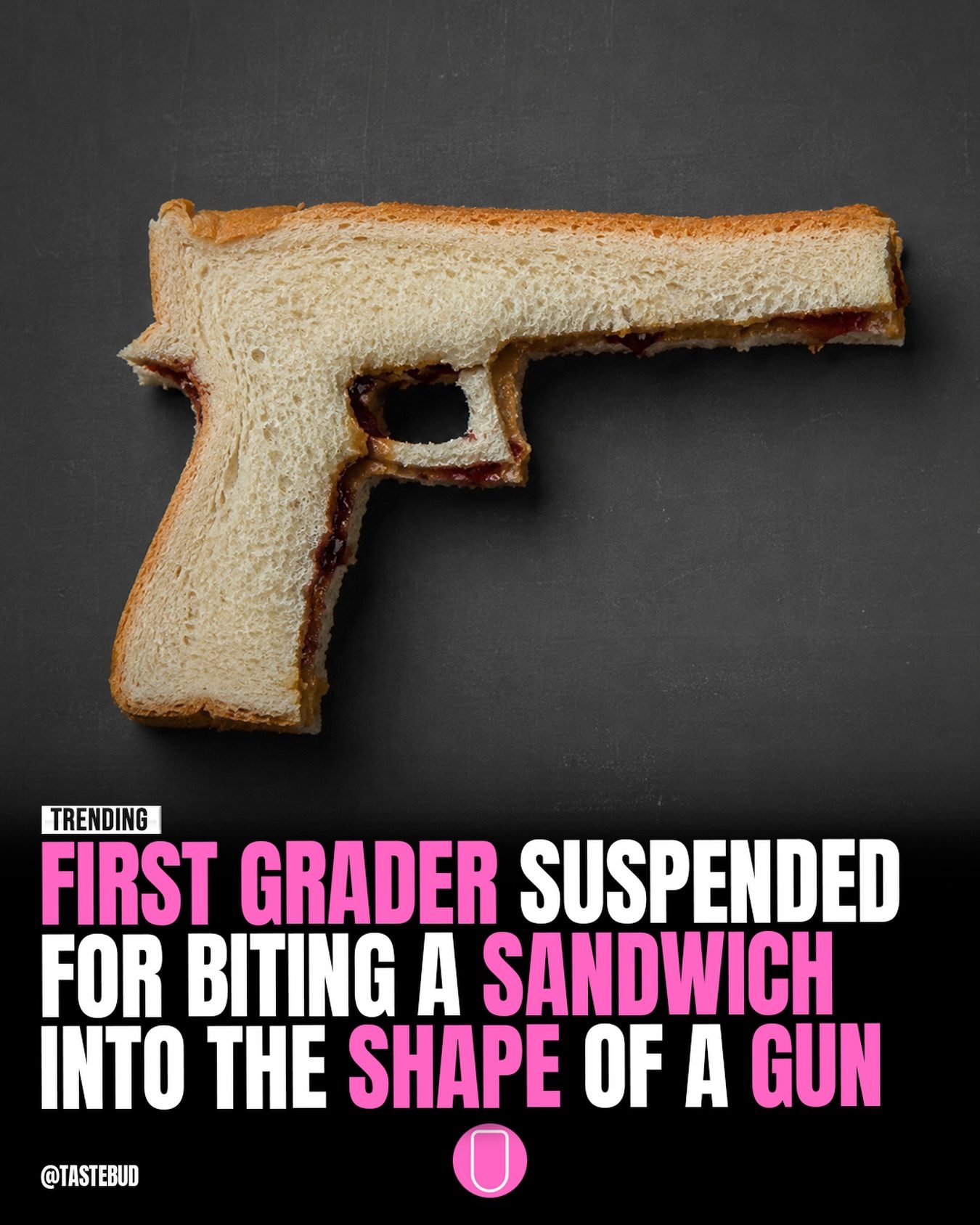
The Case of the First Grader and the Gun-Shaped Sandwich
The story of a first-grade student with autism being suspended for biting a sandwich into the shape of a gun has sparked intense debate. School officials believed the sandwich resembled a weapon, leading to the suspension. This incident has reignited conversations about discipline policies in schools, particularly when it comes to students with special needs.
Context: Why This Matters
Zero-tolerance policies in schools have long been a contentious issue. These policies aim to maintain a safe and orderly environment by enforcing strict rules and punishments. However, critics argue that such policies often lack nuance and fail to consider individual circumstances, especially in cases involving young children or students with disabilities.
Main Discussion
The Incident
A first-grade student with autism was suspended after school officials deemed a sandwich he had bitten into resembled a gun. This interpretation led to a disciplinary action that many found disproportionate, given the child's age and diagnosis. The incident highlights the challenges in balancing safety with sensitivity to individual needs.
School’s Perspective
Supporters of the school’s decision argue that enforcing zero-tolerance policies is crucial for maintaining a safe environment. They believe that any item perceived as a weapon, regardless of intent, must be addressed strictly to prevent potential threats. This viewpoint emphasizes the importance of consistency and clarity in school rules.
Critics’ Perspective
Critics, however, question the appropriateness of the punishment. They argue that the situation lacked common sense and failed to consider the student’s unique circumstances. Autism spectrum disorders can affect a child’s ability to understand social cues and conform to traditional norms, making strict disciplinary actions less effective and potentially harmful. Additionally, some point out that suspending a first-grader for such a minor infraction can negatively impact their academic progress and emotional well-being.
Autism and Discipline
Understanding autism is key to addressing such incidents. Autism spectrum disorder (ASD) is a neurodevelopmental condition characterized by differences in social interaction, communication, and restricted, repetitive behaviors. Children with autism may struggle with sensory processing, executive functioning, and social understanding, which can lead to behaviors that are misunderstood by others.
Individualized Approaches
When it comes to discipline, individualized approaches are often more effective for students with autism. Rather than applying a one-size-fits-all policy, schools can benefit from tailored interventions that consider the unique needs and challenges of each student. This might include:
- Behavioral Support: Using positive reinforcement and behavioral supports to encourage appropriate behavior.
- Social Skills Training: Teaching social and communication skills to help students better understand and navigate social situations.
- Sensory Regulation: Providing tools and strategies to help students manage sensory overload.
- Collaboration: Working closely with parents and specialists to develop and implement effective interventions.
The Role of School Policies
The incident highlights the need for schools to review and adapt their discipline policies. Zero-tolerance policies, while well-intentioned, can sometimes lead to unfair or ineffective outcomes. Schools might consider the following:
- Contextual Consideration: Taking into account the context and individual circumstances of each situation.
- Flexibility: Allowing for flexibility in disciplinary actions to better address the unique needs of students, particularly those with disabilities.
- Training: Providing ongoing training for staff to better understand and support students with special needs.
Practical Tips for Schools
- Review Policies: Regularly review and update discipline policies to ensure they are fair, effective, and considerate of individual needs.
- Train Staff: Provide comprehensive training for teachers and administrators on autism and other special needs, including strategies for effective support and intervention.
- Involve Specialists: Collaborate with specialists such as psychologists, behavioral therapists, and autism specialists to develop individualized support plans for students with autism.
- Encourage Communication: Foster open lines of communication with parents and caregivers to gain insights into the student’s unique needs and challenges.
- Promote Inclusivity: Create an inclusive environment where all students feel valued and supported, regardless of their abilities.
Important Takeaways
- Zero-tolerance policies can sometimes lead to unfair or inappropriate disciplinary actions, especially for students with special needs.
- Understanding autism and other special needs is crucial for effective support and intervention.
- Individualized approaches to discipline and support are often more effective than one-size-fits-all policies.
- Schools should consider the context and individual circumstances of each situation when applying disciplinary actions.
- Collaboration with parents, caregivers, and specialists can lead to more effective support and interventions for students with autism.
Conclusion
The case of the first-grade student and the gun-shaped sandwich underscores the need for nuanced and individualized approaches to discipline in schools. While zero-tolerance policies aim to maintain safety, they must also consider the unique needs and challenges of students, particularly those with autism. By fostering a more inclusive and supportive environment, schools can better address incidents and ensure that all students have the opportunity to thrive.
Watch the Reel
Questions readers ask
Why was the first-grade student suspended for making a gun-shaped sandwich?
The first-grader was suspended because school officials perceived the gun-shaped sandwich as a potential threat. The school's policy prohibits the simulation of weapons, and the sandwich was seen as a violation of this rule. However, critics argue that the situation was mishandled, especially considering the child's autism diagnosis and lack of intent to threaten others.
How do zero-tolerance policies play a role in this case?
Zero-tolerance policies mandate strict and uniform punishments for specific infractions, regardless of context. In this case, the policy led to the first-grader's suspension without considering the student's age, disability, or lack of malicious intent. This has sparked criticism and calls for more nuanced approaches to discipline.
What are the implications of this incident for students with autism?
This incident highlights the challenges that students with autism may face in school environments. It raises questions about the appropriateness of school policies that do not account for the unique behaviors and needs of these students. Advocates call for more understanding and flexibility in school policies to better support students with autism.
What should schools consider when disciplining young students?
Schools should consider the individual circumstances, including age and any special needs, when disciplining young students. This means evaluating the intent behind the behavior and the context in which it occurred, rather than applying a one-size-fits-all approach. Additionally, schools should prioritize supporting and teaching students, rather than resorting to punitive measures.
How can school policies be improved to handle such situations better in the future?
School policies can be improved by incorporating more flexibility and consideration for individual circumstances. This might involve training staff to recognize and respond to the unique needs of students with disabilities, as well as establishing clear guidelines for handling ambiguous situations. Additionally, policies should encourage communication with parents and caregivers to ensure a holistic approach to student discipline.
Related deep dives
Similar reads based on topic and creator.



Recent articles
Fresh deep dives from the latest Reels we unpacked.




Comments
Be the first to comment.