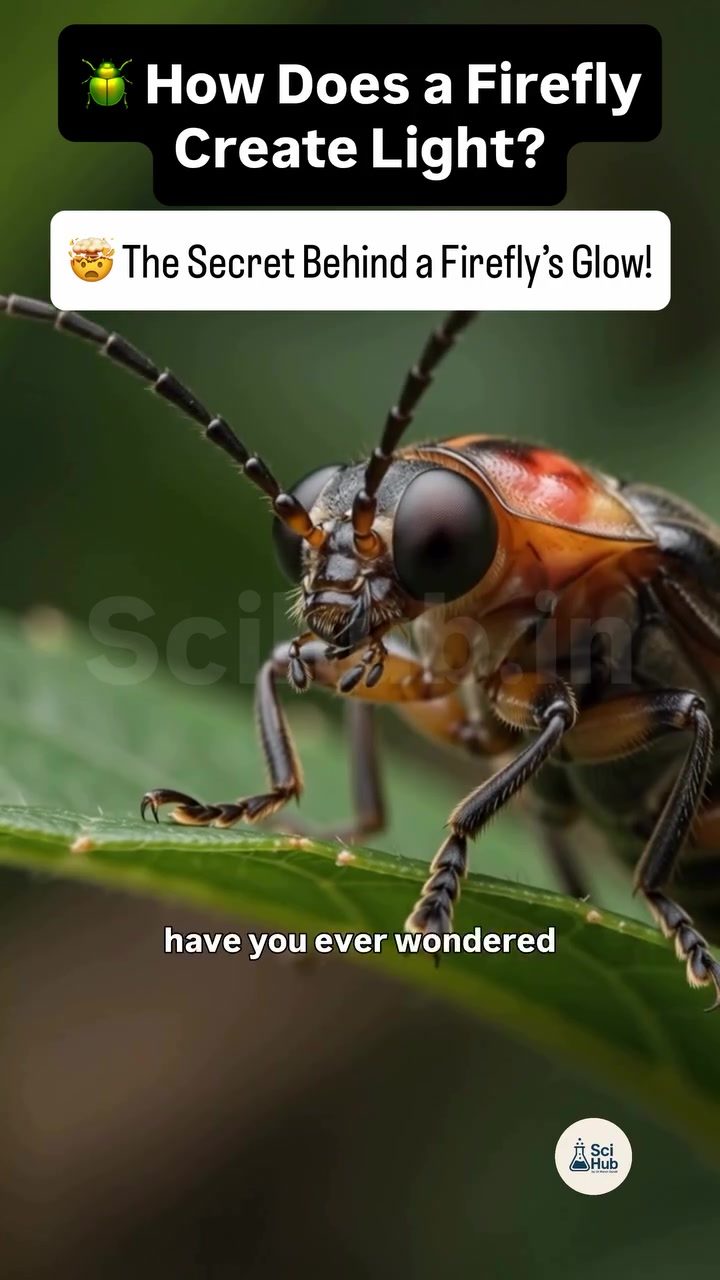
Firefly Bioluminescence
Fireflies have long captivated observers with their enchanting ability to glow in the dark. This natural light production, known as bioluminescence, is a fascinating biological process that has puzzled scientists for decades.
Why this Matters
Understanding the mechanism behind the firefly’s glow has significant implications for various fields, from biology and chemistry to engineering and medicine. The efficiency of the firefly's light production process, which generates minimal heat, offers valuable insights into creating more energy-efficient lighting solutions. The study of bioluminescence also contributes to advances in medical imaging and diagnostics, where light-producing proteins are used as markers to track biological processes in real-time.
Understanding the Bioluminescence Process
Fireflies create light through a specialized organ in their abdomen, which contains thousands of tiny cells called photocytes. These cells are responsible for the firefly's ability to produce light. The light production process involves a chemical reaction that occurs when oxygen reaches these photocytes.
Oxygen and Photocytes
When oxygen is introduced to the photocytes, it triggers the start of the light production. But oxygen alone is not sufficient to generate light. Inside these cells, a unique natural chemical called luciferin is present, waiting for the reaction to begin. The interaction between oxygen and luciferin results in the emission of a beautiful yellow-green glow, a phenomenon known as bioluminescence.
The Role of Luciferase
In addition to luciferin, the firefly's light-producing process involves another crucial component: the enzyme luciferase. This enzyme catalyzes the reaction between luciferin and oxygen, facilitating the efficient conversion of chemical energy into light. This reaction is highly efficient, producing very little heat, making it one of nature’s most energy-efficient light sources.
How Fireflies Use Their Glow
Fireflies use their bioluminescence for a variety of purposes, all integral to their survival and reproduction.
Communication and Attraction
One of the primary uses of bioluminescence in fireflies is communication. The flashes of light serve as signals to attract mates. Different species of fireflies have unique flashing patterns, which help them recognize and locate potential mates. This intricate signaling system ensures that the right species find each other in the vast, dark landscape.
Predator Deterrence
In some species, the bioluminescence serves another essential function: deterring predators. The bright flashes can startle or confuse predators, giving the firefly a chance to escape. In some cases, the glow may signal to predators that the firefly is toxic or unpalatable, further enhancing its survival chances.
Practical Tips for Observing Fireflies
Observing fireflies can be a magical experience. Here are some practical tips to make the most of this natural wonder.
Best Times and Places to See Fireflies
Fireflies are most active during warm summer evenings. Look for them in areas with plenty of vegetation and moisture, such as meadows, forests, and along bodies of water. The best viewing times are typically after dusk, when the fireflies begin their nightly light show.
How to Encourage Fireflies in Your Backyard
Creating a firefly-friendly environment in your backyard can be a rewarding way to enjoy these glow-in-the-dark insects. Here are some tips:
- Provide a habitat: Fireflies need a moist environment with plenty of vegetation. Planting native flowers and shrubs can attract fireflies and provide them with a suitable habitat.
- Avoid pesticides: Pesticides can be harmful to fireflies and other beneficial insects. Opt for natural pest control methods to keep your garden firefly-friendly.
- Minimize light pollution: Bright outdoor lights can interfere with the fireflies' mating rituals. Use low-level, warm-colored lighting or turn off outdoor lights during peak firefly season.
- Provide water sources: Fireflies lay their eggs in moist soil. Adding a water feature, such as a small pond or birdbath, can help create a suitable environment for fireflies to thrive.
Important Takeaways
Firefly bioluminescence is a remarkable natural phenomenon that has captivated scientists and nature enthusiasts alike. The efficiency and beauty of this light-producing process offer invaluable insights into the workings of nature and inspire innovations in various fields.
- Efficient Light Production: Fireflies produce light through a chemical reaction that is highly efficient, generating very little heat.
- Communication and Survival: Fireflies use their bioluminescence for communication, attracting mates, and deterring predators, making it a crucial adaptation for their survival.
- Habitat Preservation: Creating a firefly-friendly environment in your backyard can be a rewarding way to enjoy these enchanting insects and contribute to their conservation.
Fireflies’ ability to produce light through bioluminescence is a testament to the wonders of the natural world. By understanding and appreciating this remarkable process, we can deepen our connection to nature and inspire future innovations.
Conclusion
The magical glow of fireflies is more than just a mesmerizing sight; it is a fascinating biological process that holds immense scientific and practical value. By understanding how fireflies create light, we can gain insights into energy-efficient lighting solutions, advances in medical imaging, and the importance of preserving natural habitats. The next time you see a firefly, take a moment to appreciate the intricate biology behind its glow and the role it plays in the ecosystem.
Watch the Reel
Questions readers ask
What causes the firefly to glow?
The firefly's glow is due to a chemical reaction involving oxygen, a luciferase enzyme, and a molecule called luciferin. This reaction takes place in specialized cells within the firefly's abdomen, producing the distinctive light.
What makes the process so energy efficient?
Unlike traditional incandescent light bulbs, the firefly's bioluminescence process generates light without producing significant heat. This means that almost all the energy used goes into producing light, making it incredibly energy efficient.
How does the firefly's process help in medical imaging?
The luciferase enzyme and other light-producing proteins can be used in medical imaging as markers to observe biological processes. These markers enable real-time tracking of events such as cell growth and responses to treatments.
Can firefly bioluminescence be replicated?
While replicating the exact process in a laboratory is challenging, scientists have successfully created artificial bioluminescent systems and lighting solutions using these findings. These developments aim to mimic the natural efficiency of fireflies to create sustainable lighting solutions.
Which part of the firefly is responsible for the glow?
The glow comes from specialized cells in the firefly's abdomen. These cells are uniquely designed to facilitate the reaction between oxygen, luciferase, and luciferin, producing the light.
How do fireflies use oxygen for their glow?
Fireflies use oxygen in a chemical reaction, where oxygen reacts with luciferin, a substrate, in the presence of the luciferase enzyme. This reaction produces oxyluciferin and releases energy in the form of light, which we see as the firefly’s glow.
Related deep dives
Similar reads based on topic and creator.



Recent articles
Fresh deep dives from the latest Reels we unpacked.




Comments
Be the first to comment.