Firefighting Robots in Extreme Environments
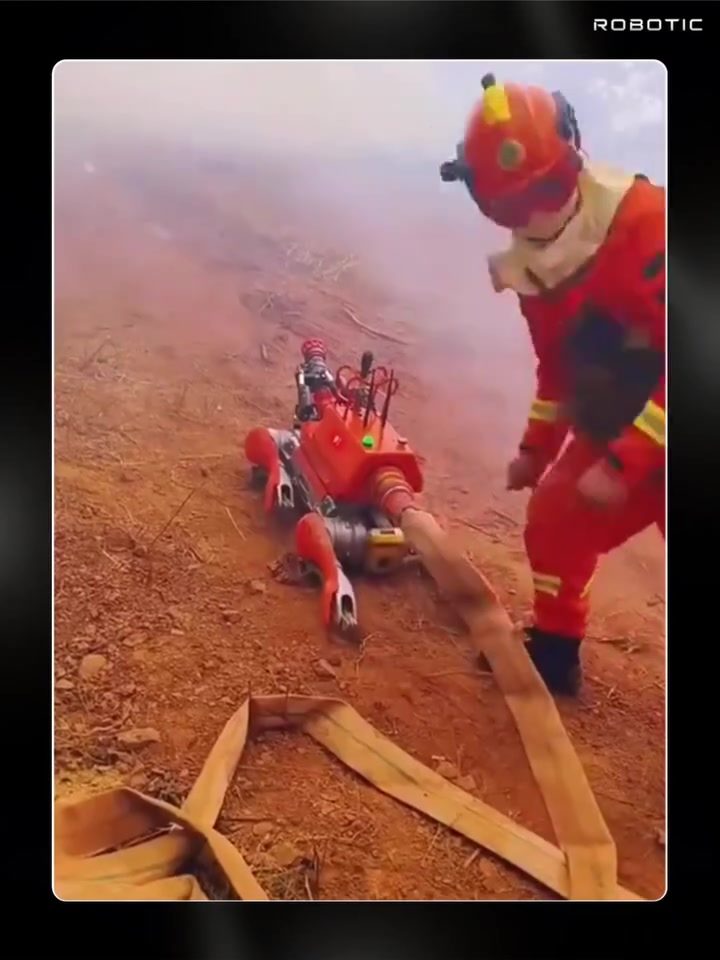
Emergency response teams are increasingly turning to robotic systems to tackle some of the most hazardous fire scenarios. These specialized machines, equipped with advanced sensors and high-pressure water hoses, are designed to operate in environments where extreme heat, heavy smoke, low visibility, or unstable structures pose significant risks to human firefighters.
Why This Matters
The deployment of firefighting robots is becoming crucial as wildfires and extreme fire events become more frequent. These robots can handle frontline tasks, reducing the risks to emergency personnel. They provide continuous support in conditions where human firefighters may struggle to operate effectively.
Firefighting Robots in Action
Operational Environments
Firefighting robots are specifically designed to navigate and operate in environments that are too dangerous for human crews. These environments often include areas with extreme heat, heavy smoke, low visibility, or unstable structures. By handling these hazardous conditions, robots significantly reduce the risk to human firefighters.
Key Features
Heat Sensors
One of the critical features of firefighting robots is their heat sensors. These sensors allow the robots to detect and avoid excessively hot areas, ensuring that they can continue to operate effectively without sustaining damage. Heat sensors also help in directing water more precisely to the areas of the fire that need it most.
Autonomous Navigation
Autonomous navigation systems enable these robots to move through complex and ever-changing environments without human intervention. This capability is particularly useful in low-visibility conditions, where human firefighters might struggle to navigate safely. The robots can map out the terrain and plan efficient routes to the fire's source, even in the thickest smoke.
High-Pressure Water Hoses
Firefighting robots are equipped with high-pressure water hoses that can deliver a powerful stream of water over long distances. This feature is essential for reaching fires that are difficult or impossible to access from a safe distance. The long-range hose allows the robots to spray water towards distant fires, helping to extinguish them more efficiently.
Remote Operation
While firefighting robots are capable of autonomous operation, they are often controlled remotely by human firefighters. This remote control allows for real-time adjustments and overrides, ensuring that the robots can handle unexpected situations effectively. The remote control interface typically includes cameras and sensors that relay real-time data back to the operator, providing a clear view of the situation on the ground.
Practical Tips for Deploying Firefighting Robots
Training and Preparedness
Effective deployment of firefighting robots requires thorough training and preparedness. Firefighters must be familiar with the robot's capabilities, limitations, and control interfaces. Regular drills and simulations can help build the necessary skills and confidence to operate these advanced systems in high-pressure situations.
Maintenance and Upkeep
Regular maintenance is essential to ensure that firefighting robots are always ready for deployment. This includes routine inspections, software updates, and repairs as needed. Keeping the robots in optimal condition ensures that they can perform reliably when called into action.
Integration with Existing Systems
Firefighting robots should be integrated with existing emergency response systems and protocols. This integration ensures seamless cooperation between robotic systems and human crews, maximizing the effectiveness of the overall response effort. Clear communication protocols and coordination plans should be in place to facilitate this integration.
Important Takeaways
Reducing Human Risk
One of the most significant benefits of using firefighting robots is the reduction in risk to human firefighters. By handling frontline tasks in hazardous environments, robots allow human crews to operate from a safer distance, reducing the likelihood of injuries or fatalities.
Continuous Support
Firefighting robots provide continuous support in conditions where humans may struggle to operate. Their endurance and ability to function in extreme conditions make them invaluable assets in the fight against wildfires and other intense fire events.
Complementary Role
Robots are not intended to replace human firefighters but to complement their efforts. They handle tasks in hazardous areas, allowing human crews to focus on other critical aspects of the response. This collaborative approach leverages the strengths of both robots and human firefighters, leading to more effective and safer fire suppression efforts.
Conclusion
As the frequency and intensity of wildfires and extreme fire events continue to rise, the role of firefighting robots in emergency response teams becomes increasingly important. These advanced machines, equipped with heat sensors, autonomous navigation, and high-pressure water hoses, provide a valuable addition to traditional firefighting methods. By handling frontline tasks in hazardous environments, firefighting robots help reduce risks to human personnel while providing continuous support in conditions where humans may struggle to operate. Through thoughtful deployment, training, and integration, these robots can significantly enhance the effectiveness and safety of emergency response efforts.
Watch the Reel
Questions readers ask
How do firefighting robots enhance safety for human crews?
Firefighting robots enhance safety by taking on frontline tasks in extreme environments. They are equipped to handle intense heat, heavy smoke, and unstable structures, reducing the need for human firefighters to enter these hazards directly.
What types of environments are firefighting robots designed to operate in?
These robots are designed for extreme fire environments, including wildfires, industrial fires, and structural fires where conditions such as extreme heat, heavy smoke, and unstable structures pose significant risks to humans.
How do firefighting robots assist in battling wildfires?
Firefighting robots assist in battling wildfires by providing continuous support in harsh conditions. They can operate autonomously or with remote control, using advanced sensors and water hoses to suppress fires where human firefighters may struggle.
What are the key features of firefighting robots that make them effective in emergency response?
Key features include advanced sensors for navigation and environmental assessment, high-pressure water hoses for fire suppression, and robust designs to withstand extreme heat and physical hazards.
Can firefighting robots operate independently or do they require constant human control?
These robots can operate autonomously or with remote control, depending on the situation and the level of human intervention required. This flexibility allows them to handle various tasks effectively, from reconnaissance to active firefighting.
What are the benefits of using robots in extreme fire conditions?
The primary benefit is the reduction of risks to human lives. Robots can operate in conditions that would be dangerous or lethal to humans, providing a constant presence and support to emergency response efforts.
Related deep dives
Similar reads based on topic and creator.


Recent articles
Fresh deep dives from the latest Reels we unpacked.




Comments
Be the first to comment.