Robotic Head Testing for Humanoid Robots
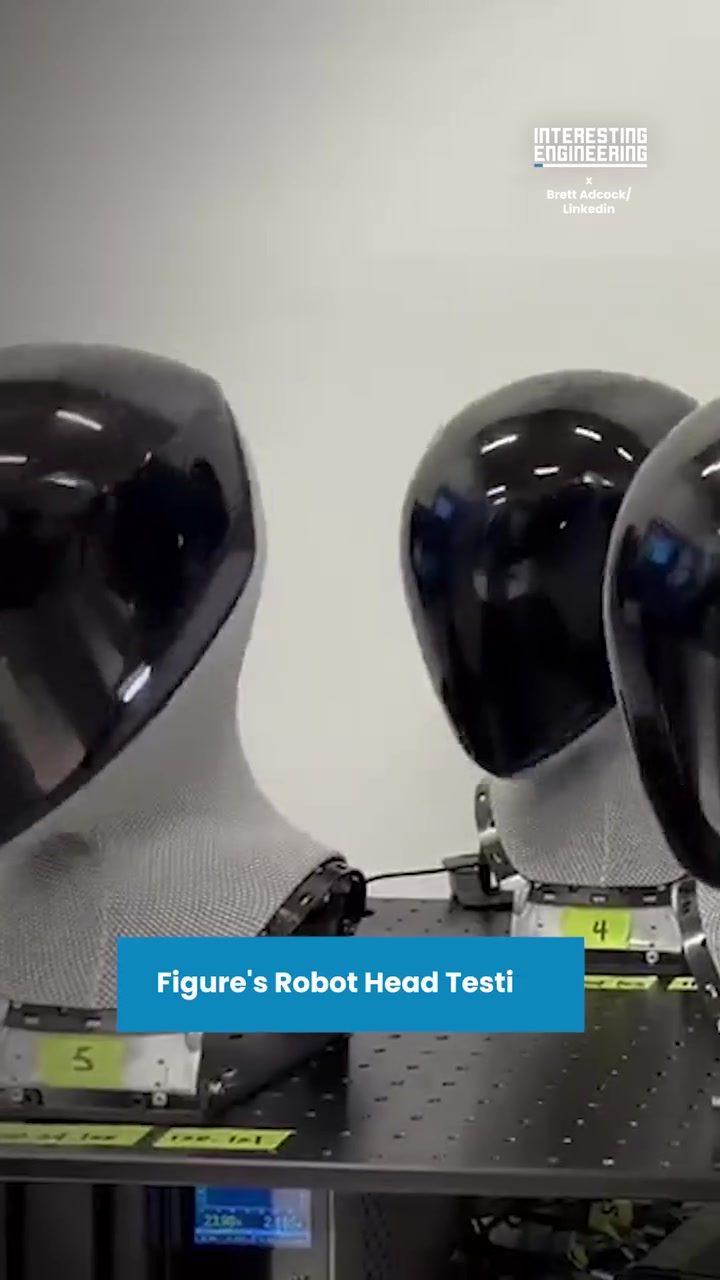
Robotic head testing is a critical phase in the development of humanoid robots. Engineers and researchers aim to ensure that the robotic heads can perform a variety of tasks, from simple movements to complex sensor calibration. This process is essential for integrating the head into the full humanoid robot body, ensuring seamless functionality and reliability. Multiple Figure robot heads are currently undergoing rigorous testing to refine head movements and sensor calibration. These tests are pivotal for future advancements in robotics, particularly in humanoid robot development.
Context / Why this matters
Humanoid robots are designed to interact with humans in various environments, from industrial settings to everyday life. The head, being a crucial part of the robot, must function flawlessly to mimic human-like movements and respond accurately to sensory inputs. Testing these components in isolation helps developers identify and rectify issues early in the development cycle. This ensures that the final product is robust and capable of performing its intended functions efficiently.
Main discussion
The Testing Process
The testing platform for the robotic heads is automated, allowing for parallel evaluations of multiple units. Each unit undergoes head movement and sensor calibration checks. These tests are crucial for ensuring that the robotic heads can perform complex movements and accurately interpret sensory data. The automated platform enables simultaneous testing, which speeds up the development process and ensures consistency across different units.
Configurations and Iterations
The numbers 1-5 visible on the platform beneath each head likely indicate different test configurations or iterations. This methodical approach allows engineers to compare the performance of various configurations and identify the most effective settings. By running these tests in parallel, developers can quickly pinpoint areas for improvement and iterate on the designs more efficiently. This iterative process is vital for optimizing the performance of the robotic heads before they are integrated into the full humanoid body.
Integration into Humanoid Bodies
Once the robotic heads pass the necessary tests, they are fitted to a full humanoid body. This integration phase is where the robotic heads undergo final adjustments to ensure they work seamlessly with the rest of the robot's components. The head's ability to move and interact with its environment is crucial for the overall functionality of the humanoid robot. Ensuring that the head can perform as expected is a key component of developing a reliable and efficient humanoid robot.
Practical tips
Ensuring Robust Head Movements
To achieve robust head movements, it is essential to conduct thorough tests that simulate various real-world scenarios. This includes testing for smooth transitions, precise movements, and the ability to handle rapid changes in direction. Engineers should focus on fine-tuning the motors and control systems to ensure they can handle the required movements efficiently.
Optimizing Sensor Calibration
Sensory inputs are crucial for the functionality of a humanoid robot. Ensuring that the sensors are accurately calibrated helps the robot respond appropriately to its environment. Engineers should conduct comprehensive calibration tests to ensure that the sensors can detect and interpret data accurately. Regular calibration checks during the testing phase can help identify and rectify issues early, ensuring that the sensors perform reliably in the final product.
Parallel Testing for Efficiency
Conducting parallel tests on multiple units can significantly speed up the development process. By using an automated testing platform, engineers can evaluate different configurations and iterations simultaneously. This approach not only saves time but also ensures consistency across different units. Parallel testing allows for more efficient development cycles, enabling quicker identification of issues and faster implementation of improvements.
Iterative Design Improvement
Adopting an iterative design process is essential for optimizing the performance of robotic heads. Engineers should continuously evaluate the performance of different configurations and make necessary adjustments. This iterative approach helps in refining the designs, ensuring that the final product meets the required specifications and performs efficiently in real-world scenarios.
Important takeaways
The development and testing of robotic heads are critical for the success of humanoid robots. Conducting thorough tests that focus on head movements and sensor calibration ensures that the robotic heads can perform as expected. Parallel testing and iterative design processes can significantly speed up the development process, ensuring that the final product is robust and reliable. Engineers must prioritize comprehensive testing and iterative improvement to achieve the best possible performance from robotic heads.
Conclusion
Robotic head testing is a fundamental step in the development of humanoid robots. By thoroughly evaluating head movements and sensor calibration, engineers can ensure that the robotic heads perform reliably and efficiently. The iterative testing process, along with parallel evaluations, helps in refining the designs and identifying areas for improvement. As humanoid robots continue to evolve, the importance of rigorous testing and optimization of robotic heads cannot be overstated. This meticulous approach ensures that the final product can interact effectively with its environment and perform its intended functions with precision and reliability.
Watch the Reel
Questions readers ask
What is the primary goal of testing Figure Robot Heads?
The primary goal of testing Figure Robot Heads is to ensure that they can seamlessly integrate with humanoid robot bodies and function effectively. This involves refining head movements and calibrating sensors to enable robust performance in various environments.
How are automated evaluations used in the testing of robot heads?
Automated evaluations are used to systematically assess the movements and sensor functionality of Figure Robot Heads. These evaluations help in identifying areas for improvement and ensuring that the heads can perform a wide range of tasks reliably.
Why is sensor calibration crucial in the development of humanoid robots?
Sensor calibration is crucial because it ensures that the robot head can accurately perceive and respond to its environment. Proper calibration allows the robot to gather precise data, which is essential for effective interaction and task completion in various settings.
What kinds of environments are humanoid robots designed to function in?
Humanoid robots are designed to function in a variety of environments, including industrial settings and everyday life. Ensuring that the robot heads can perform well in these diverse settings is a key focus of the testing process.
How do the Figure Robot Heads contribute to the overall functionality of humanoid robots?
The Figure Robot Heads contribute to the overall functionality of humanoid robots by enabling precise and reliable movements, as well as accurate sensor data. Rigorous testing of these components ensures that the robots can interact effectively with humans and their surroundings.
What advancements are expected from the rigorous testing of robot heads?
Rigorous testing of robot heads is expected to lead to advancements in robotics, particularly in the development of humanoid robots. These advancements will result in more reliable and functional humanoid robots that can be used in a wide range of applications.
Related deep dives
Similar reads based on topic and creator.


Recent articles
Fresh deep dives from the latest Reels we unpacked.




Comments
Be the first to comment.