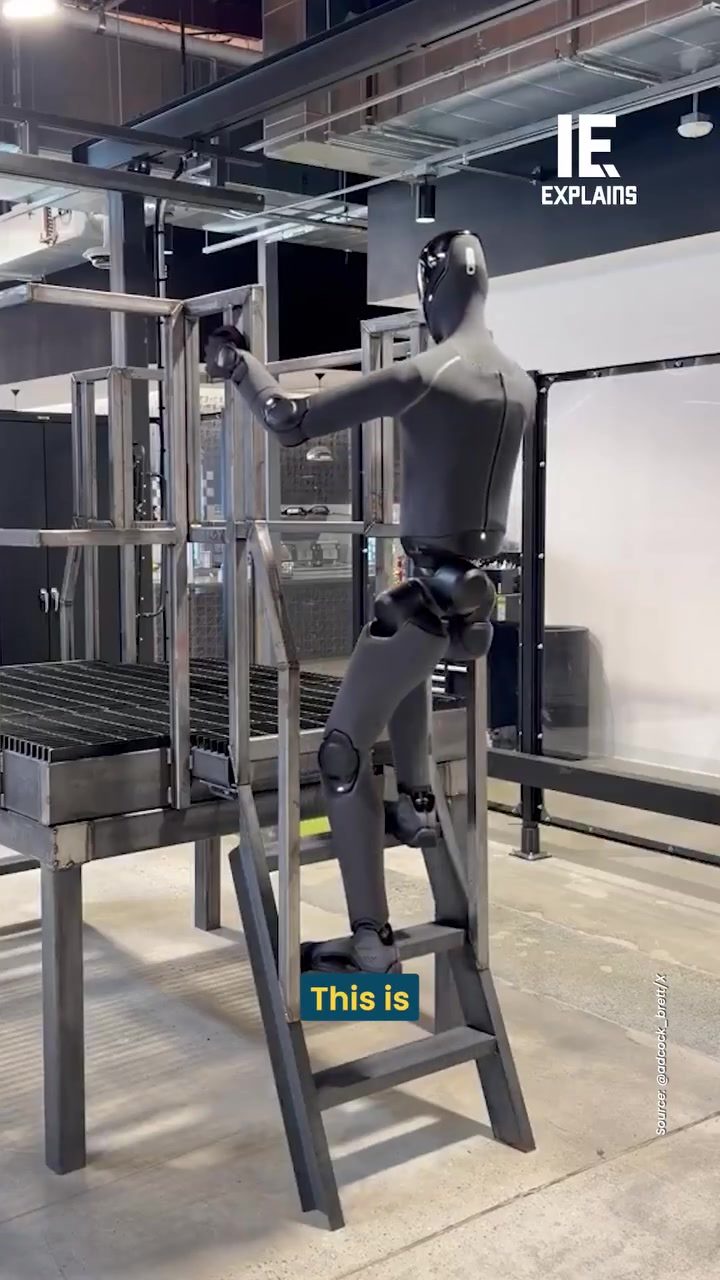
Figure AI's Robotic Figure and its Climbing Prowess
Robotic figures are increasingly valuable in industrial settings, and one of the most impressive demonstrations of their capabilities is the ability to climb a ladder autonomously. Figure 03, a third-generation humanoid developed by Figure AI, showcases this advanced skill, walking up a ladder, gripping both rails, and moving rung by rung without any operator input. This feat is far from simple; it requires precise coordination of both hands and feet, balancing the robot's weight while hanging off a narrow metal structure.
Context / Why This Matters
Robotic figures are becoming indispensable in various industries, especially in environments where human workers face risks or where efficiency and precision are paramount. Climbing a ladder autonomously is a significant milestone for a robotic figure as it demonstrates the ability to navigate complex, multi-dimensional spaces. This capability is particularly crucial in environments like factories, warehouses, and rooftops, where ladders are common, and tasks often involve climbing and handling objects simultaneously.
Practical Applications
Factory and Warehouse Operations
Robotic figures like Figure 03 are deployed in factory and warehouse settings, particularly in environments where parts arrive unsorted and in random orientations. In these scenarios, the robotic figure’s ability to see, sort, and load parts into the correct trolley for specific tasks is invaluable. The use of robotic figures in such settings reduces the risk of human error and can significantly increase operational efficiency. For instance, parts arriving unsorted at a BMW factory floor need to be organized and placed in the right order for the correct car. Figure 03 has to perform these tasks with high precision, ensuring that every part is correctly accounted for.
Rooftops and Rigging
Industrial rooftops and rigging often require workers to navigate complex structures and ladders, which can be hazardous. Robotic figures equipped with advanced climbing capabilities can perform these tasks with greater safety and reliability. By balancing and stepping while holding parts, these robotic figures can undertake tasks that would otherwise be risky for human workers. This is a testament to the versatility and durability of these machines, as they can operate in environments where human intervention might be impractical or dangerous.
The Role of Helix 02
The success of Figure 03 in climbing a ladder autonomously is largely due to the Helix 02 system. This system integrates data from cameras with the robotic figure’s joint movements, allowing for precise coordination and control. Helix 02 ensures that the robotic figure can navigate complex environments safely and efficiently, taking into account the unique challenges posed by ladders and other obstacles. This technology is a significant advancement in the field of robotics, enabling robotic figures to perform tasks that would otherwise require manual intervention.
Practical Tips for Utilizing Robotic Figures in Industrial Settings
Integration with Existing Systems
When integrating robotic figures into existing industrial operations, it is essential to ensure that the robotic systems can communicate effectively with other machines and systems. This integration can enhance overall efficiency by allowing the robotic figure to work seamlessly with other automated processes. For example, in a warehouse setting, the robotic figure should be able to coordinate with conveyor belts and other automated sorting systems to streamline the handling and sorting of parts.
Safety Protocols
While robotic figures can perform tasks in hazardous environments, it is crucial to establish robust safety protocols to prevent accidents. This includes ensuring that the robotic figure is equipped with sensors that can detect obstacles and adjust its movements accordingly. Additionally, regular maintenance and updates to the robotic figure’s software and hardware can help ensure that it operates safely and efficiently over time.
Customization and Programming
Robotic figures can be customized and programmed to perform a wide range of tasks based on the specific needs of the industrial setting. This customization can include programming the robotic figure to handle particular types of parts, navigate specific obstacles, or perform complex movements. The ability to adapt to different tasks and environments makes robotic figures a versatile and valuable addition to any industrial operation.
Important Takeaways
Autonomous climbing capabilities of robotic figures represent a significant leap forward in industrial automation. The ability to navigate complex environments, such as ladders, rooftops, and rigging, without human intervention opens up new possibilities for efficiency, safety, and precision in various settings. The integration of advanced systems like Helix 02 ensures that these robotic figures can perform tasks with high levels of accuracy and reliability.
Conclusion
Robotic figures like Figure 03, with their advanced climbing capabilities, are poised to revolutionize industrial operations. Their ability to navigate complex environments and perform tasks autonomously enhances operational efficiency and safety. By integrating these robotic figures into existing systems and establishing robust safety protocols, industries can leverage this technology to achieve unprecedented levels of productivity and reliability.
Watch the Reel
Questions readers ask
What makes Figure 03's ladder-climbing ability significant for industrial settings?
Figure 03's ability to climb ladders autonomously is significant because it allows robots to access elevated areas in industrial settings. This reduces the need for human workers to perform risky tasks, such as climbing ladders to reach rooftops or rigging. The robot's precision and efficiency also contribute to streamlined operations in complex environments.
How does Figure 03 maintain stability while climbing ladders?
Figure 03 maintains stability by coordinating both hands and feet to grip the ladder rails and rungs. The robot balances its weight by carefully placing its hands and feet, ensuring a secure hold on the narrow metal structure. This precise coordination is crucial for safe and efficient ladder climbing.
What industries can benefit from Figure 03's autonomous ladder-climbing capabilities?
Industries that can greatly benefit include manufacturing and warehousing. In these sectors, robots like Figure 03 can perform tasks in complex environments, reaching places where human workers might face risks. This contributes to increased safety and efficiency.
How does Figure 03's autonomous navigation contribute to warehouse safety?
Figure 03's autonomous navigation reduces the need for human workers to handle dangerous tasks such as climbing ladders in warehouses. By taking over these tasks, the robot minimizes human exposure to potential hazards, thereby enhancing overall safety.
What technologies enable Figure 03 to climb ladders autonomously?
Figure 03's autonomous ladder-climbing capabilities are made possible by advanced robotics technology, including sensors, precise motor control, and sophisticated algorithms. These components work together to coordinate the robot's movements, allowing it to grip and ascend ladders with precision and stability.
What are the potential benefits of using Figure 03 in manufacturing environments?
In manufacturing, Figure 03 can perform a range of tasks in elevated areas, such as equipment maintenance or inspections. This not only reduces the risk to human workers but also ensures that tasks are completed with high precision and efficiency, leading to smoother operations and potentially lower costs.
How does Figure 03's ability to climb ladders fit into the broader goals of industrial robotics?
Figure 03's ability to climb ladders is a significant step toward expanding the capabilities of industrial robots. This advancement is part of a larger trend in robotics, where robots are being developed to handle more complex tasks and navigate challenging environments, ultimately increasing their utility and efficiency in various industries.
Related deep dives
Similar reads based on topic and creator.


Recent articles
Fresh deep dives from the latest Reels we unpacked.




Comments
Be the first to comment.