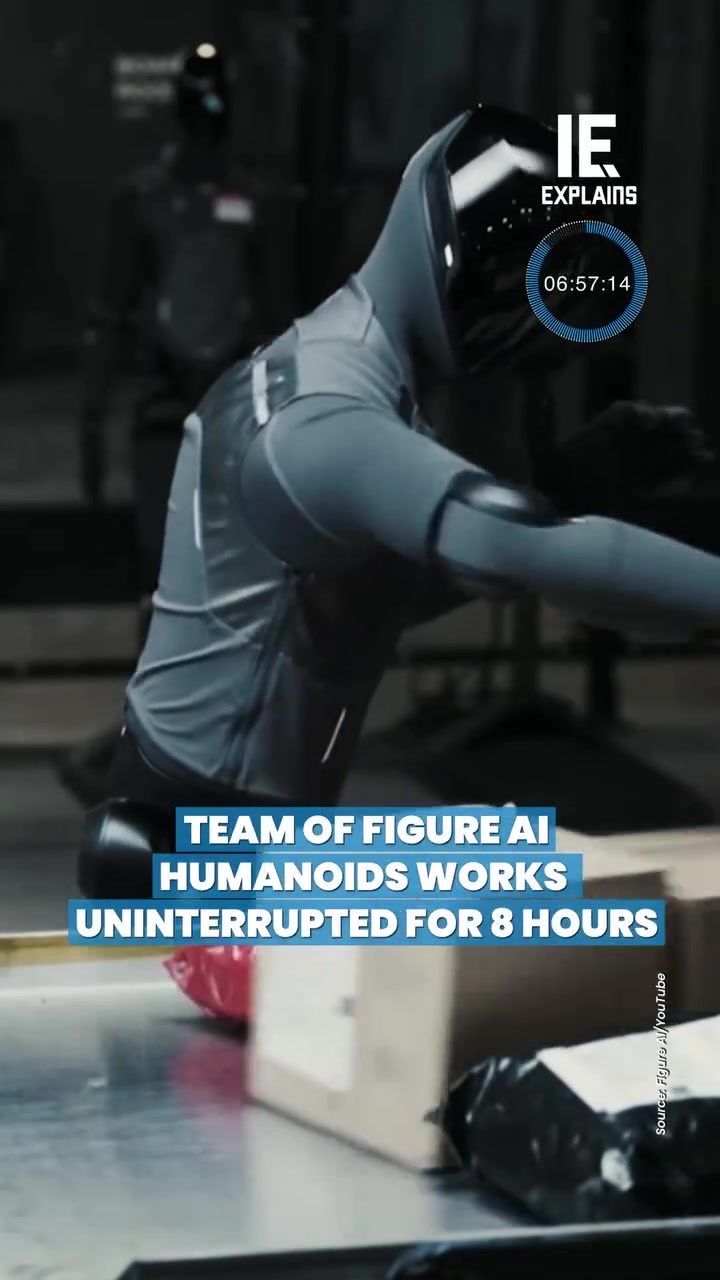
Humanoid Robots in Factory Automation: Figure AI’s 8-Hour Shift
Humanoid robots developed by Figure AI have recently completed an impressive 8-hour autonomous shift in a factory setting. This demonstration showcased the potential of robotics in factory automation, highlighting the capabilities of Figure AI's FO3 robots powered by the Helix 2 neural network.
Why This Matters
The integration of humanoid robots into factory environments represents a significant leap in automation technology. These robots are designed to handle repetitive tasks with precision and efficiency, reducing the need for human intervention and ensuring continuous operation. This shift towards automation can lead to increased productivity, cost savings, and improved safety standards in industrial settings.
The Demonstration: Figure AI’s FO3 Robots
Autonomy and Efficiency
Figure AI's FO3 robots demonstrated an unparalleled level of autonomy during their 8-hour shift. They were able to complete basic sorting tasks uninterrupted, showcasing their ability to handle repetitive tasks efficiently. The robots operated without any breaks, and there were no humans involved in the process. This level of autonomy is a testament to the advanced capabilities of Figure AI's technology.
Real-Time Coordination
One of the most impressive aspects of the demonstration was the real-time coordination between multiple robots. These robots communicated with each other to keep the production line moving smoothly. When a robot's battery level dropped after three to four hours, it autonomously signaled another robot to take its place, ensuring continuous operation without human intervention.
Self-Diagnosis and Maintenance
The robots also demonstrated advanced self-diagnostic capabilities. If a robot encountered a malfunction mid-shift, it would self-diagnose the issue, walk itself to the maintenance zone, and call in a replacement from the fleet. This feature ensures that the production line remains uninterrupted, even in the face of unexpected issues.
Helix 2: The Power Behind the Robots
The Helix 2 neural network is the driving force behind these remarkable capabilities. It combines vision, touch, proprioception, and whole body control into a single learning system. This system is designed for long-horizon tasks in dynamic environments, allowing the robots to perform complex tasks without the need for resets or human intervention.
Practical Tips for Implementing Humanoid Robots in Factory Settings
Assessing Your Needs
Before integrating humanoid robots into your factory, it's crucial to assess your specific needs and identify tasks that can be automated. Tasks that are repetitive, require precision, and have a high risk of human error are ideal candidates for automation.
Training and Integration
Ensure that your workforce is adequately trained to work alongside these robots. While the robots are designed to operate autonomously, human oversight and maintenance are still essential. Proper training can help your team understand how to interact with the robots and troubleshoot any issues that may arise.
Continuous Improvement
Robots like the FO3 are not static entities; they can be updated and improved over time. Stay informed about the latest advancements in robotics and regularly update your systems to ensure they remain at the cutting edge of technology. This continuous improvement can enhance efficiency and productivity.
Important Takeaways
Enhanced Productivity
Humanoid robots can significantly enhance productivity by working continuously without the need for breaks. This ensures that tasks are completed efficiently and on time, leading to increased output.
Cost Savings
By reducing the need for human labor in repetitive tasks, factories can achieve significant cost savings. Robots do not require wages, benefits, or breaks, making them a cost-effective solution for long-term operations.
Improved Safety
Robots can handle tasks that are hazardous or require precision, reducing the risk of workplace accidents. This not only ensures a safer work environment but also helps in complying with safety regulations.
Seamless Integration
The advanced coordination and self-diagnostic capabilities of these robots ensure seamless integration into existing production lines. This means minimal disruption to operations and a smoother transition to automated processes.
Conclusion
The 8-hour autonomous shift completed by Figure AI’s FO3 robots is a groundbreaking demonstration of the potential of humanoid robots in factory automation. Powered by the Helix 2 neural network, these robots showcase advanced capabilities in autonomy, real-time coordination, and self-diagnosis. As industries continue to evolve, the integration of such technologies can lead to enhanced productivity, cost savings, and improved safety standards, paving the way for a future where automation plays a pivotal role in factory operations.
Watch the Reel
Questions readers ask
What specific tasks can humanoid robots from Figure AI perform during an 8-hour autonomous shift?
Figure AI robots are equipped to handle a variety of repetitive tasks during their 8-hour autonomous shifts. These tasks may include assembly, sorting, and packaging. Their precise and efficient performance reduces the need for human workers to complete these repetitive tasks.
How do Figure AI's robots ensure continuous operation in a factory setting?
Figure AI's robots are designed to work autonomously for extended periods, allowing them to maintain continuous operation without the need for frequent breaks or shifts. Their ability to coordinate tasks in real-time with multiple units also ensures that the workflow remains uninterrupted, leading to enhanced productivity.
What advantages do Figure AI robots offer over traditional industrial robots?
Figure AI robots offer several advantages, including the ability to perform tasks that require a higher degree of dexterity and adaptability. Unlike traditional industrial robots, which are often fixed in one location, Figure AI's humanoid robots can navigate factory environments and perform a variety of tasks, making them more versatile.
What is the role of the Helix 2 neural network in Figure AI's robots?
The Helix 2 neural network powers Figure AI's FO3 robots, enabling them to perform complex tasks with autonomy and precision. This advanced neural network allows the robots to adapt to changing environments and coordinate tasks in real-time, making them highly efficient in factory settings.
How does the 8-hour autonomous shift of Figure AI robots improve safety in industrial settings?
By handling repetitive and potentially hazardous tasks, Figure AI robots reduce the need for human workers to be exposed to these risks, thereby improving overall safety. Their precise and consistent performance also minimizes the likelihood of errors that could lead to accidents or downtime.
What kind of coordination do Figure AI robots employ during their autonomous shifts?
Figure AI robots utilize advanced real-time coordination systems to ensure seamless operation. This allows multiple units to work together efficiently, handing off tasks and adjusting to changes in the factory environment as needed. This coordination enhances overall productivity and ensures that tasks are completed without delays.
Related deep dives
Similar reads based on topic and creator.


Recent articles
Fresh deep dives from the latest Reels we unpacked.




Comments
Be the first to comment.