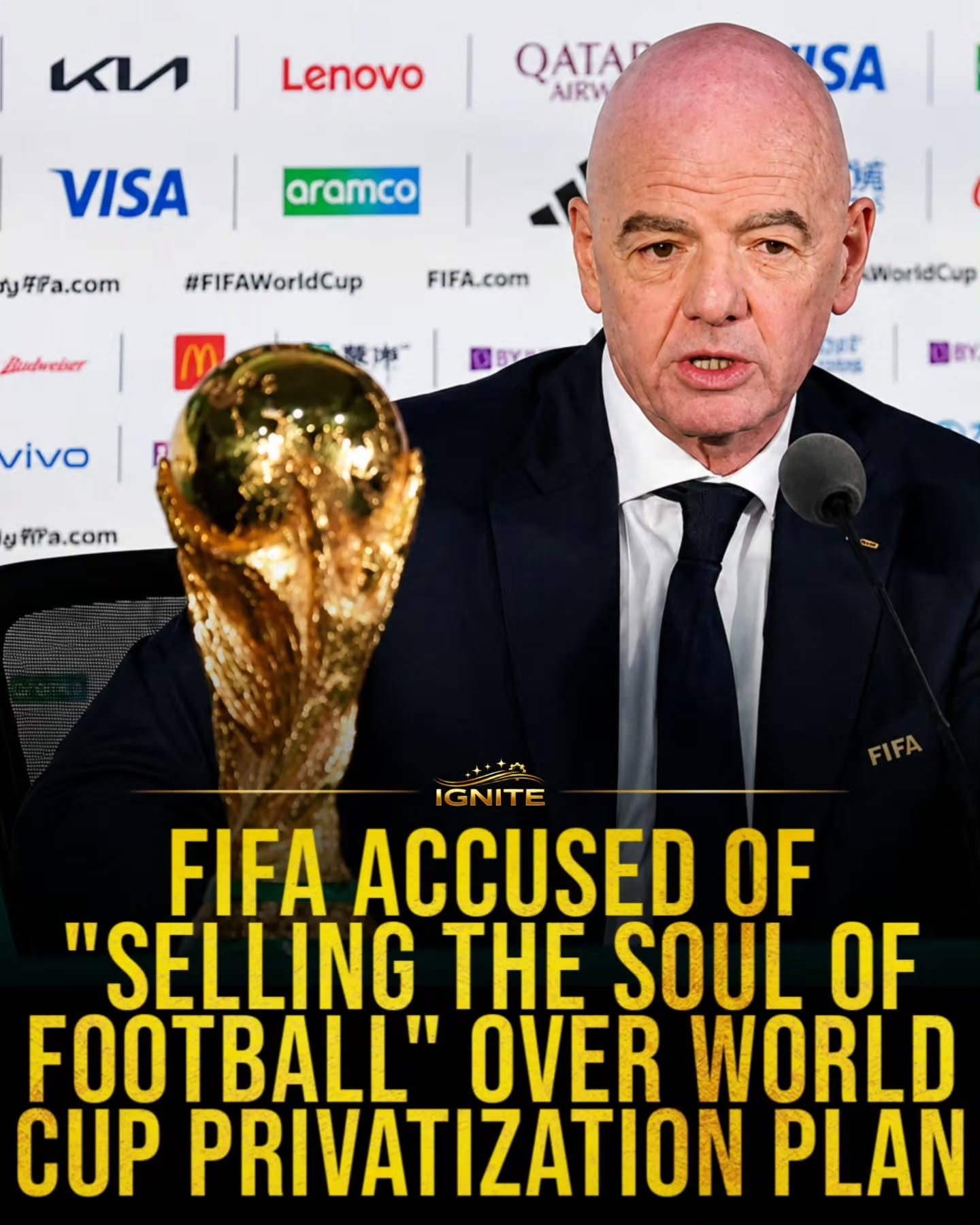
FIFA Accusations: Selling the Soul of Football?
FIFA, the global governing body of football, is embroiled in controversy. Accusations of selling the soul of football over a privatization plan for the World Cup have sparked intense debate. This issue isn't just about corporate interests; it touches on the very essence of the game and how it is experienced by fans worldwide.
Controversy Context: About the World Cup
The World Cup, the most prestigious tournament in football, is a global spectacle watched by billions. Throughout the years, FIFA has faced criticism for various reasons, ranging from corruption scandals to commercialization. The latest controversy centers around a privatization plan, which critics argue is a step too far.
The privatization plan in question involves selling off key elements of the World Cup to private entities. This includes everything from broadcasting rights to sponsorships and even the hosting rights. The move is seen as a way to generate more revenue for FIFA, but critics argue that it dilutes the spirit of the game.
The Privatization Plan
The World Cup is more than just a sporting event; it's a celebration of global unity and passion for football. The privatization plan suggests that the interests of corporations are taking precedence over the interests of the fans. The concerns revolve around several key points:
Corporate Interests Over Fan Experience
One of the primary concerns is that the privatization will lead to a more commercialized and less fan-friendly World Cup. Corporations like VISA and Qatar Airways, prominently displayed as sponsors, might have a significant say in how the tournament is run. This could lead to decisions that prioritize profits over the experience and enjoyment of the fans.
Accessibility and Affordability
Another major issue is the potential impact on the affordability and accessibility of the tournament. The World Cup is a once-in-a-lifetime experience for many fans, and the privatization could make it an even more exclusive event. Higher ticket prices and more expensive merchandise, driven by corporate interests, could limit who can participate in the experience.
The Future of Football
The privatization plan also raises questions about the future of football. If FIFA continues down this path, it could set a dangerous precedent for other major sporting events. The concern is that football, a game beloved by millions, could become a playground for the rich and powerful, further alienating the average fan.
Practical Tips
For those who are fans of football and concerned about these developments, here are some practical tips:
Stay Informed
Keep an eye on developments related to the privatization plan. Follow reputable news sources and engage with online communities to stay updated on the latest information and discussions. This will help you understand the larger implications and how it might affect your experience as a fan.
Voice Your Concerns
If you feel strongly about this issue, consider voicing your concerns. Write to FIFA, engage with social media campaigns, and participate in discussions. Your voice matters, and collective action can often bring about change.
Support Grassroots Initiatives
Support local and grassroots football initiatives. These organizations often operate on a non-profit or community-driven basis, maintaining the spirit and accessibility of the game. Engaging with these initiatives can help preserve the essence of football while providing a fulfilling experience for both players and fans.
Important Takeaways
The accusations against FIFA highlight a critical juncture in the evolution of football. The privatization plan, while aimed at generating more revenue, risks transforming the World Cup into a commercially-driven event. The future of the game hinges on balancing the interests of corporations and fans, ensuring that the spirit of football remains intact.
Conclusion
The controversy surrounding FIFA and the privatization of the World Cup is more than just a corporate power play. It's a reflection of the evolving landscape of football and the challenges it faces. Fans, corporations, and governing bodies all have a role to play in shaping the future of the game. By staying informed, voicing concerns, and supporting grassroots initiatives, fans can ensure that the soul of football is preserved for generations to come.
Watch the Reel
Questions readers ask
What is FIFA's privatization plan for the World Cup?
FIFA's privatization plan involves selling key elements of the World Cup to corporate entities. This includes sponsorship opportunities, broadcasting rights, and other commercial aspects of the tournament. The goal is to increase revenue, but critics argue it could prioritize corporate interests over the fan experience.
Why are fans and critics concerned about FIFA's privatization efforts?
Fans and critics worry that privatization could lead to a diluted football experience. The fear is that corporate influences might dictate match schedules, ticket prices, and other aspects, shifting the focus from the game to profit. This could potentially change the spirit of the game and how fans engage with it.
How might privatization affect the World Cup fan experience?
Privatization could make the World Cup more expensive for fans, with higher ticket prices and increased costs for merchandise. Additionally, corporate partners might demand more prominent branding, which could overshadow the on-field action and the overall atmosphere of the tournament.
What has been the global football community's reaction to the privatization controversy?
The global football community has reacted with mixed feelings. While some supporters welcome the potential for increased investment in football infrastructure, others are deeply concerned about the potential long-term effects on the game. Critics fear that the World Cup could become a showcase for corporate brands rather than a celebration of the sport itself.
How does the privatization plan affect FIFA's existing corporate partnerships?
FIFA's existing corporate partnerships might become more influential under the privatization plan. These partnerships could gain more control over certain aspects of the tournament, such as branding and event management. This shift could lead to a more corporate-centric World Cup, with fewer opportunities for smaller, grassroots initiatives to gain traction.
Related deep dives
Similar reads based on topic and creator.




Recent articles
Fresh deep dives from the latest Reels we unpacked.




Comments
Be the first to comment.