Fiber-Powered Robotics: The Future of Soft Robotics
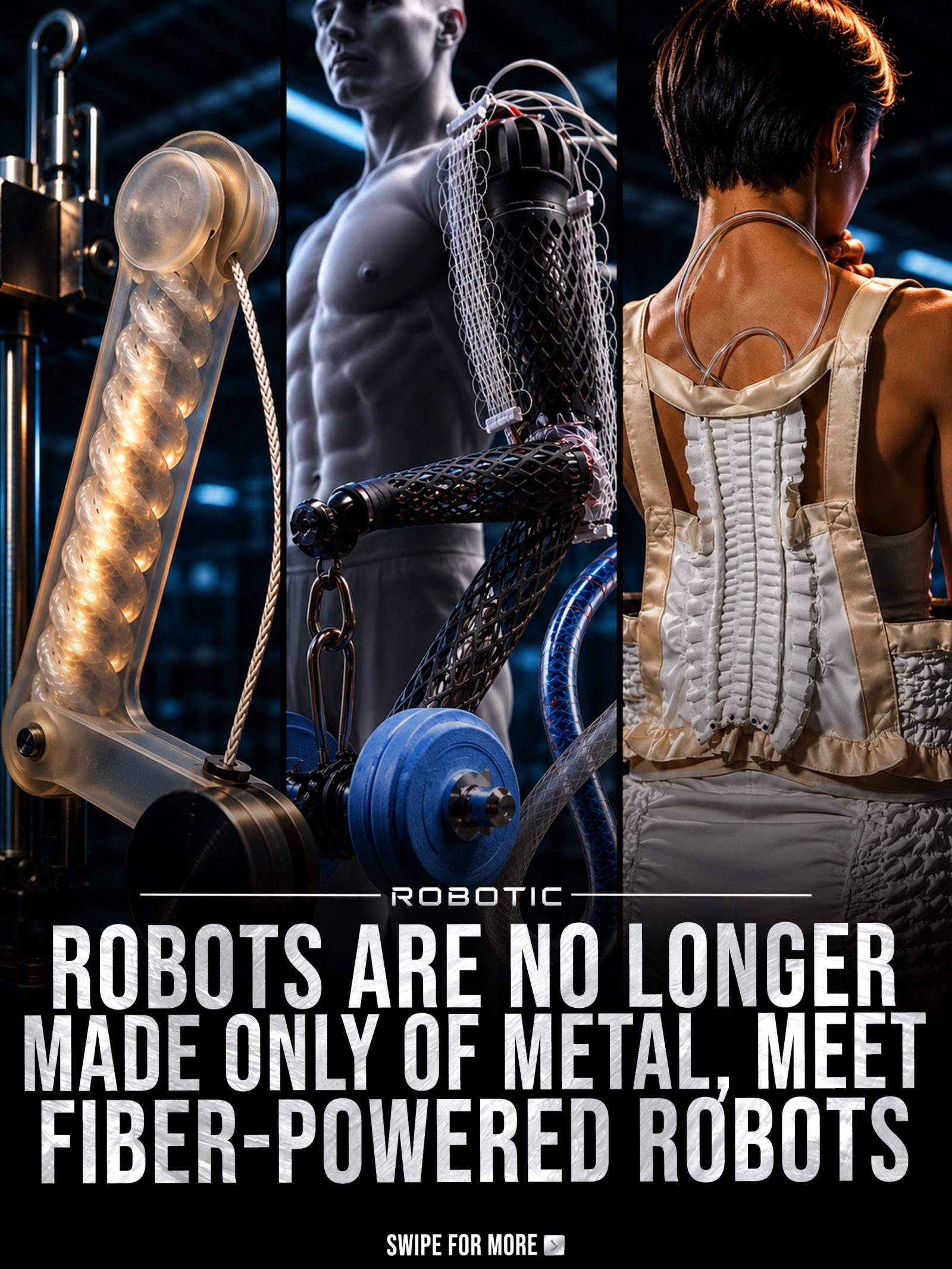
Flexible, textile-based robotic arms represent a significant leap from traditional rigid metal structures. Researchers are developing fiber-powered robots using innovative materials like artificial muscles, pneumatic actuators, smart textiles, and shape-memory materials. These sophisticated designs bend, contract, and lift with remarkable efficiency, making robots lighter, quieter, safer, and more adaptable than ever before.
Why This Matters
The evolution from rigid metal robotics to fiber-powered systems opens new avenues in various fields. These advancements are particularly impactful in healthcare, manufacturing, wearable technology, and human-robot interaction. By mimicking the movements of living muscles, fiber-powered robots can perform tasks with greater precision and adaptability, making them suitable for a wide range of applications.
Main Discussion
Innovations in Fiber-Powered Robotics
Fiber-powered robotics is a transformative field that combines advanced materials with innovative engineering principles. These robots are designed to mimic the flexibility and precision of human muscles, making them ideal for tasks that require a high degree of adaptability.
The Role of Pneumatic Actuators
Pneumatic actuators are a key component in fiber-powered robotics. These actuators use compressed air to create movement, allowing robotic arms to bend and contract naturally. This technology enables robots to perform tasks that require delicate and precise movements, making them suitable for applications in healthcare and manufacturing.
Smart Textiles and Shape-Memory Materials
Smart textiles and shape-memory materials are also integral to the development of fiber-powered robots. These materials can change shape in response to external stimuli, allowing robots to adapt to different environments and tasks. Smart textiles, in particular, can be woven into robotic systems to create soft, wearable, and assistive devices.
Examples of Fiber-Powered Robotic Arms
Several notable examples showcase the potential of fiber-powered robotic arms. These include the Festo Bionics soft arm and the Fluidic Fabric Muscle Sheet (FFMS), both of which demonstrate the unique capabilities of this technology.
Festo Bionics Soft Arm
The Festo Bionics soft arm is a pioneering example of fiber-powered robotics. Built with fiber-reinforced pneumatic actuators, this robotic arm bends naturally and can perform complex movements with ease. Its soft, textile-based design makes it ideal for applications in wearable and assistive systems, where safety and adaptability are paramount.
Fluidic Fabric Muscle Sheet (FFMS)
The Fluidic Fabric Muscle Sheet (FFMS) is another groundbreaking innovation in the field. This technology uses fluidic fabric muscle fibers to create soft robotic movement. The FFMS is designed to be wearable and assistive, making it suitable for a wide range of applications in healthcare and manufacturing.
Applications of Fiber-Powered Robotics
The applications of fiber-powered robotics are vast and diverse. From healthcare to manufacturing and wearable technology, these advanced systems are transforming various industries.
Healthcare
In healthcare, fiber-powered robotics can be used to create wearable and assistive devices that help patients with mobility issues. These robots can be designed to mimic the movements of human muscles, providing support and assistance in performing daily tasks.
Manufacturing
In manufacturing, fiber-powered robotics can be used to perform tasks that require precision and adaptability. These robots can handle delicate components without damaging them, making them ideal for applications in electronics, aerospace, and other high-tech industries.
Wearable Technology
Wearable technology is another area where fiber-powered robotics can make a significant impact. These robots can be designed to be lightweight and comfortable, making them suitable for use in fitness trackers, smart clothing, and other wearable devices.
Practical Tips
For those interested in exploring fiber-powered robotics, here are some practical tips to get started:
-
Research Materials: Familiarize yourself with the materials used in fiber-powered robotics, such as smart textiles and shape-memory materials. Understanding these materials will give you a solid foundation for developing your own designs.
-
Experiment with Pneumatic Actuators: Start by experimenting with pneumatic actuators to understand how they work and how they can be integrated into robotic systems. This will give you hands-on experience with the key components of fiber-powered robotics.
-
Explore Wearable Applications: Consider the potential of wearable and assistive devices. These applications can have a significant impact on healthcare and manufacturing, making them a valuable area for research and development.
-
Collaborate with Specialists: Collaborate with specialists in materials science, engineering, and other relevant fields. This will help you gain a deeper understanding of the technology and develop more innovative solutions.
-
Stay Updated with Advancements: The field of fiber-powered robotics is rapidly evolving. Stay updated with the latest research and developments to ensure you are at the forefront of this exciting technology.
Important Takeaways
Fiber-powered robotics represents a significant advancement in the field of robotics. By using innovative materials and engineering principles, these robots can perform tasks with greater precision and adaptability. The applications of this technology are vast, from healthcare to manufacturing and wearable technology. As the field continues to evolve, fiber-powered robotics has the potential to transform various industries and improve the quality of life for many people.
Conclusion
The future of robotics is here, and it is powered by intelligent fibers that move more like living muscles. From the Festo Bionics soft arm to the Fluidic Fabric Muscle Sheet, these technologies are making robots lighter, quieter, safer, and far more adaptable than traditional rigid machines. As soft robotics continues to advance, the next generation of robots could wear fabrics instead of armor, opening new possibilities in various fields. Whether you are a researcher, engineer, or enthusiast, there has never been a more exciting time to explore the world of fiber-powered robotics.
Watch the Reel
Questions readers ask
What are the primary benefits of using fiber-powered robots in healthcare?
Fiber-powered robots offer several advantages in healthcare, including safer interactions with patients due to their lightweight and soft design. They can mimic human muscle movements, making them ideal for assisting with delicate tasks. Additionally, their quiet operation is suitable for hospital environments.
How do artificial muscles work in fiber-powered robots?
Artificial muscles in fiber-powered robots are typically made from materials like shape-memory alloys or conductive polymers. These materials can contract and expand when stimulated by heat, electricity, or other triggers, enabling the robot to bend, lift, and move in ways that mimic natural muscle movement.
What role do smart textiles play in the development of fiber-powered robots?
Smart textiles are integral to fiber-powered robots as they provide flexibility, durability, and the ability to integrate various sensors and actuators. These textiles can respond to external stimuli, enabling the robot to adapt to different environments and perform tasks more efficiently.
What impact do fiber-powered robots have on manufacturing processes?
Fiber-powered robots can enhance manufacturing processes by providing precise, adaptable movements for handling delicate materials. Their lightweight design reduces the risk of damage to equipment or products, while their quiet operation creates a more comfortable workspace.
How are pneumatic actuators used in fiber-powered robots?
Pneumatic actuators use compressed air to power movement in fiber-powered robots. These actuators are lightweight and can provide significant force, making them ideal for soft robotics. They are often integrated into the robot's design to enable bending and lifting actions.
What are the advantages of using fiber-powered robots in wearable technology?
Fiber-powered robots in wearable technology offer a comfortable and safe user experience due to their flexibility and soft design. They can provide assistance with daily tasks, such as lifting or gripping, while being lightweight and non-invasive.
How do fluidic robotic systems contribute to the development of fiber-powered robots?
Fluidic robotic systems use liquid or gas to power movement, enabling soft robotics to have flexible and adaptable designs. These systems can provide smooth, precise movements and are well-suited for applications requiring gentle interactions, such as in healthcare or wearable technology.
Related deep dives
Similar reads based on topic and creator.



Recent articles
Fresh deep dives from the latest Reels we unpacked.




Comments
Be the first to comment.