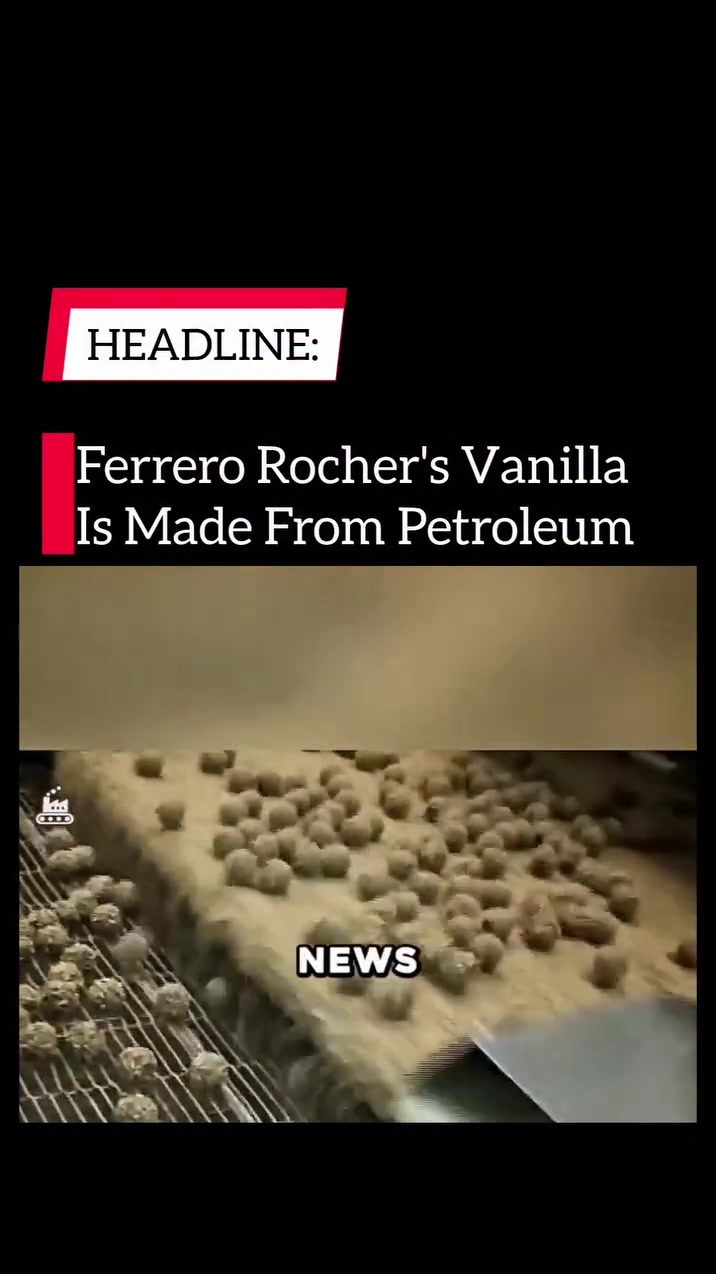
The popular Ferrero Rocher chocolates are promoted as a luxury treat with an authentic, artisanal feel. However, a closer look at the ingredients reveals a different story. Ferrero's premium chocolate is made from petroleum-derived flavoring, turning a beloved sweet into a highly processed snack.
Ferrero Rocher chocolates are marketed as a high-end, luxurious chocolate treat. The iconic gold foil wrapper and the brand's prestigious image have long been synonymous with indulgence and sophistication. For many, the Ferrero Rocher is more than just a chocolate; it's a symbol of premium quality. However, recent revelations have cast a shadow over the brand's image, challenging the authenticity and purity that many consumers associate with these chocolates.
Ferrero Rocher's premium image is built on a foundation of synthetic ingredients and heavily processed fats. The signature hazelnut and vanilla flavor does not come from natural sources. Instead, the vanilla flavor is synthesized from petroleum derivatives, specifically crude oil vanillin. This synthetic vanillin is used not only in the chocolate filling but also in the coating, making it a pervasive ingredient in the entire product.
The chocolate filling is made from refined palm fat, which is treated with bleaching clay. This process is not only environmentally concerning but also results in the formation of chemical byproducts. One such byproduct is glycidol, a known genotoxic carcinogen. This means that the process of making Ferrero Rocher involves creating a known harmful substance, which raises serious health concerns.
The chocolate's composition is heavily imbalanced, with more refined sugar than cocoa. This imbalance, combined with the absence of real vanilla and the presence of artificial fillers, challenges the notion of Ferrero Rocher as a luxury craft chocolate.
Ferrero Rocher chocolates are not only made using petroleum-derived flavoring and refined palm fat, but they also undergo extensive processing that results in the formation of harmful byproducts. The use of bleaching clay in the production process leads to the creation of glycidol, a known genotoxic carcinogen. This substance is a byproduct of the high-heat, high-pressure refining process used to create the chocolate's smooth, melt-in-your-mouth filling.
The vanilla flavor in Ferrero Rocher is synthetic, derived from petroleum. This synthetic vanillin is used extensively in the chocolate, both in the filling and the coating. The use of synthetic vanillin instead of natural vanilla beans is a cost-cutting measure that allows the brand to maintain its high-end image while reducing production costs. This practice is common in the food industry, where natural flavors are often replaced with cheaper, synthetic alternatives.
The sugar content in Ferrero Rocher is higher than the cocoa content, which is a surprising revelation for a product marketed as premium chocolate. This imbalance not only affects the taste but also the nutritional value of the chocolate. The high sugar content, combined with the use of artificial fillers, makes Ferrero Rocher more akin to a candy than a luxury chocolate.
The use of synthetic ingredients and heavily processed fats in Ferrero Rocher raises concerns about the health implications of consuming these chocolates. The presence of glycidol, a known genotoxic carcinogen, is particularly alarming. This substance is a byproduct of the refining process used to create the chocolate's smooth texture. The high sugar content and the use of artificial fillers further contribute to the product's unhealthy profile. Consumers who are health-conscious or have dietary restrictions may want to reconsider their consumption of Ferrero Rocher.
To make informed decisions about the food we consume, it's essential to look beyond the marketing and branding. Tools like the Exposer app can help reveal the true composition of foods, including the presence of harmful ingredients and the extent of processing. By scanning products with these apps, consumers can gain a better understanding of what they are putting into their bodies and make healthier choices.
Ferrero Rocher chocolates may not be as premium or natural as their branding suggests. The use of petroleum-derived flavors, refined palm fat, and extensive processing raises serious concerns about the authenticity and health implications of these chocolates. Consumers who value transparency and natural ingredients may want to reconsider their consumption of Ferrero Rocher and opt for more authentic, handmade chocolate alternatives.
Understanding the true composition of the food we consume is crucial for making informed decisions about our diet. Ferrero Rocher's use of synthetic flavors, refined fats, and extensive processing highlights the importance of scrutinizing food labels and using tools like Exposer to reveal the hidden ingredients in our food.
When it comes to chocolate, the name Ferrero Rocher does not necessarily mean premium quality. The use of synthetic vanillin, refined palm fat, and the presence of harmful byproducts like glycidol challenge the idea of Ferrero Rocher as a luxury treat. Consumers should be aware of these hidden ingredients and consider their health implications. By making informed choices, we can prioritize our well-being and support more authentic, health-conscious brands.
When it comes to chocolate, the idea of "luxury" often comes down to how a brand presents itself. Ferrero Rocher is a prime example of this, where marketing and branding can sometimes obscure the true composition of a product. Consumers who value transparency and natural ingredients may want to look beyond the glossy wrapping and consider the actual contents of their favorite treats. Opting for more handmade, artisanal chocolates can be a step towards healthier, more satisfying choices.
Watch the Reel
Questions readers ask
What are the main sources of flavors in Ferrero Rocher chocolates?
The signature hazelnut and vanilla flavors in Ferrero Rocher come from synthetic sources, specifically petroleum derivatives, rather than natural ingredients. The flavoring is manufactured and added to the chocolate to mimic these tastes.
What kind of fat is used in the chocolate filling of Ferrero Rocher?
The chocolate filling in Ferrero Rocher is made from refined palm fat, which is a type of highly processed fat. This ingredient is used widely in processed foods for its consistency and melting properties.
Are there any health concerns associated with the ingredients in Ferrero Rocher?
The presence of highly processed fats and synthetic flavors in Ferrero Rocher has raised health concerns. Consuming large amounts of these types of fats can contribute to cardiovascular issues, and the long-term effects of synthetic flavors are still being studied.
Why is the use of petroleum derivatives in Ferrero Rocher significant?
The use of petroleum derivatives for flavoring in Ferrero Rocher is notable because it highlights the extent of processing involved in these chocolates. Many consumers might expect more natural ingredients in a luxury chocolate, making this a surprising revelation.
What environmental concerns are linked to the ingredients in Ferrero Rocher?
The use of palm fat in Ferrero Rocher is linked to environmental concerns, particularly deforestation and habitat destruction. The cultivation of palm oil has been criticized for its impact on ecosystems and wildlife, especially in regions like Southeast Asia.
What is the role of the cocoa ball in a Ferrero Rocher?
The cocoa ball in a Ferrero Rocher is a central component that is surrounded by a hazelnut and wafer shell, and then covered in a thin layer of milk chocolate and chopped hazelnuts. It provides the chocolate taste and crunchy texture to the treat.
Recent articles
Fresh deep dives from the latest Reels we unpacked.




Comments
Be the first to comment.