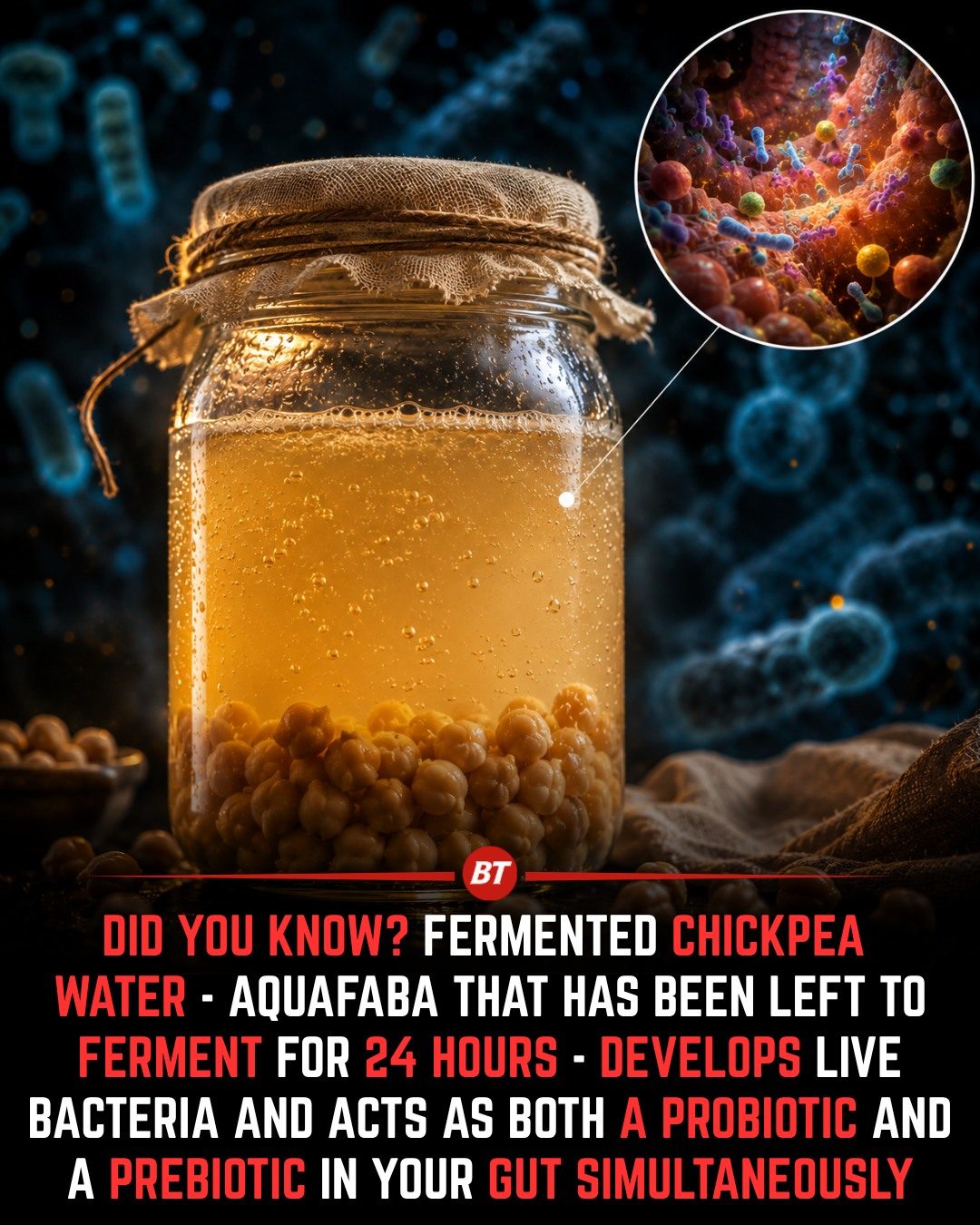
Fermented Chickpea Water: A Probiotic and Prebiotic Powerhouse
Fermented chickpea water, also known as aquafaba, is more than just a byproduct of cooking chickpeas. It is a powerhouse of beneficial bacteria that can support gut health in unique ways. This fermented liquid acts as both a probiotic and a prebiotic, making it a valuable addition to a healthy diet.
Why This Matters
The gut microbiome plays a crucial role in overall health, influencing everything from digestion to immune function. Fermented foods are known for their ability to support a healthy gut microbiome, and aquafaba is no exception. By understanding the benefits of fermented chickpea water, you can make informed decisions about incorporating it into your diet.
The Benefits of Fermented Chickpea Water
What is Aquafaba?
Aquafaba is the viscous liquid that remains after cooking chickpeas. It is often discarded, but it has several beneficial properties. Fermenting aquafaba for 24 hours develops live bacteria, transforming it into a probiotic and prebiotic-rich liquid. This fermentation process enhances its health benefits, making it a valuable addition to your dietary routine.
Probiotic and Prebiotic Properties
Fermented aquafaba acts as both a probiotic and a prebiotic. While probiotics introduce live bacteria into the gut, prebiotics feed the beneficial bacteria already present. This dual action supports a healthy gut microbiome, which is essential for overall health.
Nutritional Profile
Chickpeas are naturally rich in galacto-oligosaccharides (GOS) and resistant starch, two types of carbohydrates that your body can't fully digest. Instead of being absorbed in the small intestine, they travel to the colon, where they are fermented by beneficial gut bacteria. This fermentation process produces short-chain fatty acids such as butyrate, acetate, and propionate.
These compounds help nourish the cells lining your colon, strengthen the gut barrier, support immune function, and may even play a role in regulating blood sugar and reducing inflammation. Chickpeas also provide an excellent combination of plant protein, fiber, folate, iron, magnesium, and potassium, making them one of the most nutrient-dense legumes for supporting both digestive and metabolic health.
Gut Health and Microbial Diversity
Studies have shown that regularly eating legumes like chickpeas is associated with greater gut microbiome diversity. This diversity is one of the strongest markers of a healthy digestive system. By incorporating fermented aquafaba into your diet, you can support a diverse and thriving gut microbiome.
Immune System Support
The beneficial bacteria in fermented aquafaba help strengthen the gut barrier, which is crucial for immune function. A healthy gut barrier prevents harmful substances from entering the bloodstream, reducing inflammation and supporting overall immune health.
Blood Sugar Regulation
The fermentation of aquafaba produces short-chain fatty acids that may play a role in regulating blood sugar levels. By supporting a healthy gut microbiome, fermented aquafaba can help improve insulin sensitivity and blood sugar control.
Practical Tips for Incorporating Fermented Aquafaba
How to Ferment Aquafaba
Fermenting aquafaba is a simple process. Start by cooking a batch of chickpeas and reserving the liquid. Let the liquid sit at room temperature for 24 hours. This fermentation process allows beneficial bacteria to develop, transforming the water into a probiotic and prebiotic-rich liquid.
Uses in Cooking
Fermented aquafaba can be used in various recipes. Add it to salads, soups, curries, or hummus. You can also roast it with herbs and spices for a crunchy, fiber-rich snack. Its neutral flavor makes it a versatile ingredient in many dishes.
Storage
Store fermented aquafaba in a sealed jar in the refrigerator. It will keep for up to a week, making it a convenient addition to your weekly meal plan.
Important Takeaways
Fermented chickpea water is a powerful probiotic and prebiotic that supports gut health. By fermenting aquafaba, you can enhance its health benefits and support a diverse and thriving gut microbiome. Incorporating fermented aquafaba into your diet is a simple and effective way to support your overall health and well-being.
Conclusion
Fermented chickpea water, or aquafaba, is a valuable addition to a healthy diet. Its probiotic and prebiotic properties support gut health, immune function, and blood sugar regulation. By incorporating fermented aquafaba into your diet, you can take a proactive approach to supporting your overall health and well-being. Start fermenting aquafaba today and experience the benefits for yourself.
Watch the Reel
Questions readers ask
What exactly is fermented aquafaba and how is it made?
Fermented aquafaba is the liquid that remains after cooking chickpeas, which has been fermented to cultivate beneficial bacteria. To make it, simply set aside the chickpea cooking liquid in a jar, add a small amount of a starter culture (like water kefir or kombucha), and let it ferment at room temperature for a few days.
How does fermented aquafaba support gut health?
Fermented aquafaba supports gut health in two primary ways. It acts as a probiotic, supplying live bacteria to the gut microbiome, and as a prebiotic, providing a food source for these beneficial bacteria. This dual action helps to enhance digestive function and boost immune responses.
Can fermented aquafaba be used as a replacement for other ferments like sauerkraut or kimchi?
While fermented aquafaba offers unique benefits, it may not be a direct replacement for other fermented foods. It has a mild flavor and can be added to smoothies, soups, or used as a base for salad dressings. However, it does not provide the same textural or flavor profiles as more robust fermented vegetables.
Is fermented aquafaba suitable for vegan diets?
Yes, fermented aquafaba is an excellent addition to a plant-based diet. It is derived from chickpeas, making it completely plant-based, and it's rich in prebiotics, helping to promote the growth of beneficial bacteria in the gut.
How should fermented aquafaba be stored to maintain its live bacteria?
To maintain the live bacteria in fermented aquafaba, store it in an airtight container in the refrigerator. Make sure the lid is securely fastened to prevent exposure to air, which can reduce the efficacy of the live bacteria. It should keep well for up to a week.
What are some creative ways to incorporate fermented aquafaba into meals?
Fermented aquafaba can be used in a variety of dishes. Blend it into dressings or sauces, add it to soups and stews for extra depth, or mix it into smoothies for a probiotic boost. It can also be used as a base for plant-based mayonnaise, providing a tangy flavor and creamy texture.
Are there any potential side effects of consuming fermented aquafaba?
Generally, fermented aquafaba is well-tolerated, but some individuals may experience digestive discomfort if they consume it in large quantities. Start with small amounts and gradually increase your intake to allow your gut to adjust. If you have any allergies or sensitivities to legumes, it is best to avoid fermented aquafaba.
Related deep dives
Similar reads based on topic and creator.




Recent articles
Fresh deep dives from the latest Reels we unpacked.




Comments
Be the first to comment.