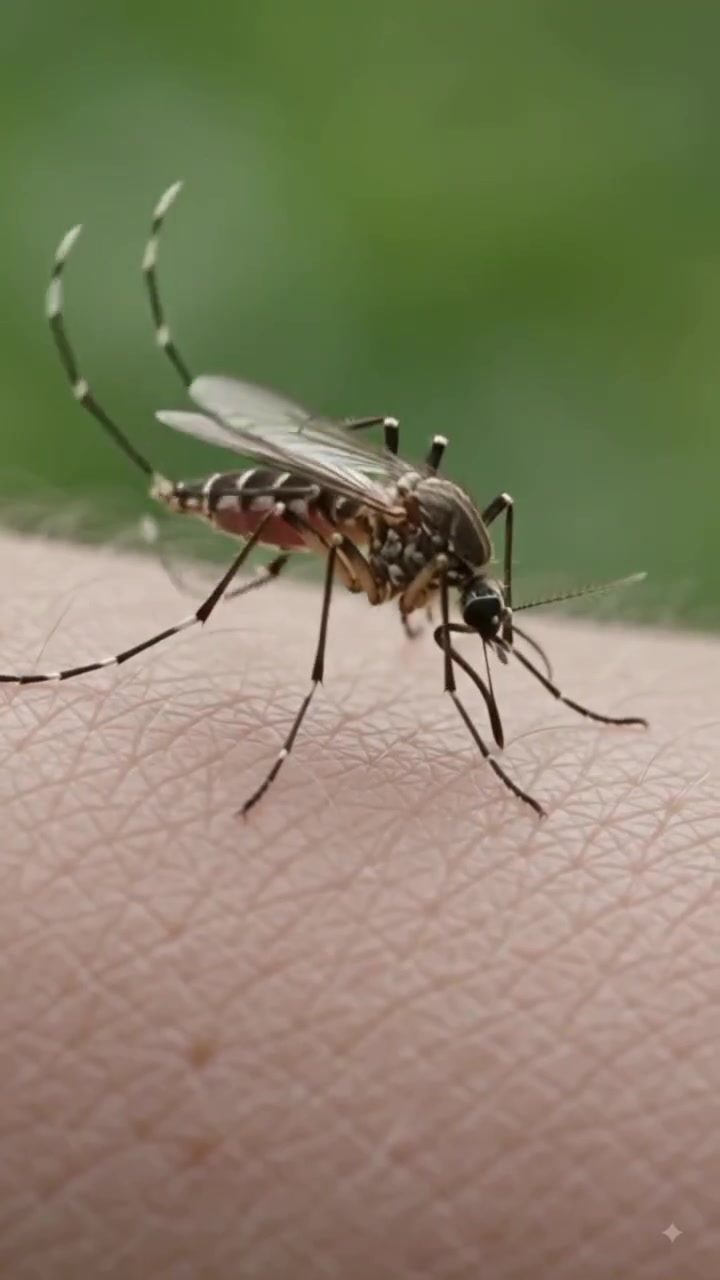
Female Mosquitoes: The Reason Behind Those Itchy Bites
When it comes to mosquito bites, the culprit is almost always a female. Understanding the differences between male and female mosquitoes, as well as the biological reasons behind their feeding habits, can provide insight into why these insects are such a nuisance during warmer months.
Why This Matters
Knowing the specifics of mosquito behavior can help in preventing bites and mitigating the discomfort they cause. Mosquitoes are more than just a summertime annoyance—they can transmit serious diseases like malaria, dengue fever, and West Nile virus. Female mosquitoes, in particular, play a crucial role in disease transmission due to their blood-feeding habits.
The Biology Behind Mosquito Bites
Specialized Mouth Parts
Female mosquitoes have specialized mouth parts that allow them to pierce skin and feed on blood. These mouth parts include:
- Two serrated maxs: These act like saws to cut through the skin.
- Two mandibles: These hold the wound open.
- Two tubes: One injects saliva to prevent blood clotting, while the other draws blood.
The saliva injected by the mosquito is what triggers the itch and swelling associated with a bite. Your immune system reacts to the mosquito's saliva, not the bite itself, which is why some people experience more severe reactions than others.
Blood Meals and Egg Production
Female mosquitoes require blood to produce eggs. Blood provides the essential protein and iron that flowers lack. Once a female mosquito has fed, she can produce around 200 eggs. This process highlights the reproductive necessity behind their biting behavior—it's not personal, but rather a matter of survival for the next generation.
Excess Fluid Management
While feeding, female mosquitoes also manage the excess fluid they take in. They start expelling excess fluid mid-meal, ensuring they consume only the necessary amount of blood to support egg production.
Practical Tips for Avoiding Mosquito Bites
Use Repellents
Insect repellents containing DEET, picaridin, or oil of lemon eucalyptus are effective in keeping mosquitoes away. Apply repellent to exposed skin and clothing, following the product instructions for the best results.
Wear Protective Clothing
Clothing can act as a physical barrier against mosquitoes. Opt for long-sleeved shirts, long pants, and socks, especially during peak mosquito hours (dawn and dusk). Light-colored clothing is also preferable, as mosquitoes are attracted to darker colors.
Eliminate Standing Water
Mosquitoes lay their eggs in standing water. Eliminating sources of standing water around your home, such as clogged gutters, birdbaths, and flower pots, can significantly reduce the mosquito population.
Install Screens
Installing screens on windows and doors can prevent mosquitoes from entering your home. Ensure that the screens are in good condition and free from tears or holes.
Important Takeaways
- Female mosquitoes bite: Only female mosquitoes have the specialized mouth parts needed to pierce skin and feed on blood.
- Blood is essential for egg production: Female mosquitoes require blood for the protein and iron needed to produce eggs, which is why their bites are so persistent.
- It's the saliva, not the bite, that causes a reaction: The itch and swelling from a mosquito bite are due to the mosquito's saliva, not the actual bite.
- Mosquitoes are not hunting you: Female mosquitoes are gathering supplies for the next generation, not specifically targeting you.
Conclusion
Understanding the biology and behavior of female mosquitoes can help in mitigating the discomfort and potential health risks associated with their bites. By taking practical steps to avoid mosquitoes, you can enjoy the outdoors more comfortably and reduce the chances of disease transmission.
Watch the Reel
Questions readers ask
Why do only female mosquitoes bite?
Female mosquitoes bite because they require the proteins found in blood to produce eggs. Male mosquitoes, on the other hand, feed primarily on nectar and do not bite humans.
What causes the itch from a mosquito bite?
The itch is a reaction to the mosquito's saliva, which contains an anticoagulant to prevent blood from clotting while the mosquito feeds. This saliva triggers an immune response, leading to the itchy, red bump.
Can anything be done to treat a mosquito bite?
To treat a mosquito bite, you can use over-the-counter creams or lotions containing hydrocortisone or calamine. Applying a cold compress or taking an oral antihistamine can also help reduce the itch and swelling.
What can I do to prevent mosquito bites?
To reduce mosquito bites, avoid areas with standing water where mosquitoes breed, use insect repellent containing DEET, cover up with long sleeves, and ensure your living spaces have proper window screens. Additionally, consider natural repellents like citronella or lemon eucalyptus oil.
What are some disease risks from mosquito bites?
Female mosquitoes can transmit serious diseases such as malaria, dengue fever, and West Nile virus. Preventing bites by using repellent and eliminating breeding sites can help mitigate these risks.
Are there ways to prevent mosquito bites naturally?
Yes, you can use plant-based repellents and essential oils such as citronella, eucalyptus, and lemongrass. Additionally, wearing light-colored clothing, avoiding peak mosquito hours, and using fans to create a breeze can help deter mosquitoes.
Why are mosquitoes more prevalent in the summer?
Summertime conditions such as warm temperatures and increased humidity create ideal breeding environments for mosquitoes. This, combined with more outdoor activities, leads to an increase in mosquito bites during the summer months.
Related deep dives
Similar reads based on topic and creator.




Recent articles
Fresh deep dives from the latest Reels we unpacked.




Comments
Be the first to comment.