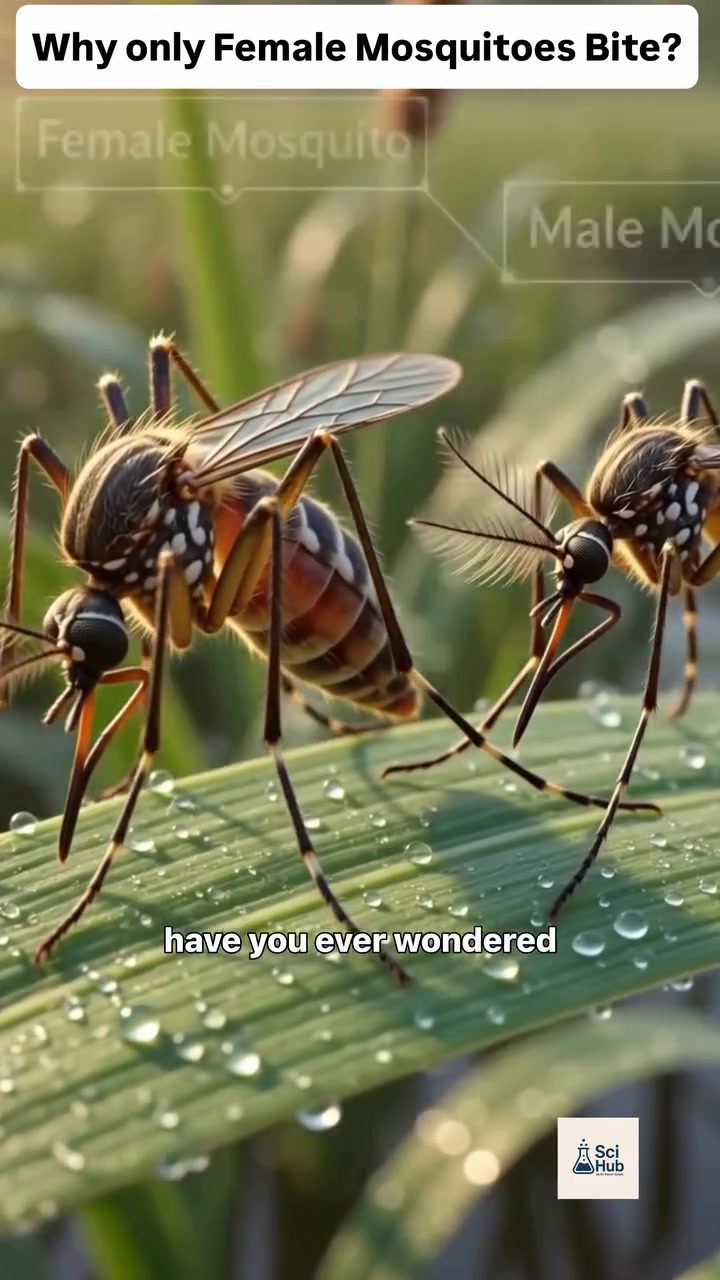
Why Female Mosquitoes Bite
Understanding why female mosquitoes bite humans involves delving into the biological and reproductive needs of these insects. The key driver behind this behavior isn't hunger; it's reproduction. Both male and female mosquitoes typically feed on flower nectar, which provides the energy they need to fly and survive. However, when it comes time for the female mosquito to produce eggs, she requires additional nutrients that nectar cannot provide, specifically protein.
Why Only Female Mosquitoes Bite
The primary reason female mosquitoes bite is to obtain the necessary nutrients for egg development. While both male and female mosquitoes consume nectar, the female mosquito's reproductive cycle demands additional resources. Specifically, she needs protein and other nutrients that are not present in nectar. This is why female mosquitoes seek out a blood meal.
The Role of Blood in Egg Development
Once a female mosquito obtains a blood meal, the blood is digested within her body. This process converts the blood into proteins and amino acids, which are then transported to her ovaries. These nutrients are crucial for the growth and maturation of her eggs. Without this blood meal, the female mosquito would not be able to produce healthy eggs, hindering her reproductive success.
Blood provides essential nutrients that nectar lacks. Inside the female mosquito, the blood is broken down into proteins and other nutrients, which are then used to support egg development. This process ensures that the eggs receive the necessary nutrients to grow and mature properly. Once the eggs are fully developed, the female mosquito lays them on water, where the next generation of mosquitoes will begin their life cycle.
The Life Cycle of Mosquitoes
Mosquitoes undergo a complete metamorphosis, which includes four distinct stages: egg, larva, pupa, and adult. The female mosquito lays her eggs on or near standing water, as the larvae require water to survive. Once the eggs hatch, the larvae (often called "wigglers") feed on microorganisms and organic matter in the water. After several molts, the larvae transform into pupae, which eventually emerge as adult mosquitoes.
Male Mosquitoes and Nectar Feeding
It's important to note that male mosquitoes do not bite humans. They, like females, feed on nectar throughout their lives. This nectar provides them with the energy they need to fly and survive, but they do not require blood meals for reproduction. Male mosquitoes play a crucial role in the mosquito life cycle by fertilizing the female's eggs, ensuring the continuation of the species.
Mosquito Bites and Disease Transmission
Mosquito bites are more than just an annoyance; they can also transmit diseases. When a female mosquito bites a human, she injects saliva into the skin, which can contain pathogens that cause diseases such as malaria, dengue fever, Zika virus, and West Nile virus. This is why understanding mosquito behavior and the reasons behind their biting habits is essential for developing effective control strategies.
Practical Tips to Avoid Mosquito Bites
Given the potential health risks, it's important to take steps to avoid mosquito bites. Here are some practical tips:
- Use Insect Repellents: Apply insect repellents containing DEET, picaridin, or oil of lemon eucalyptus to exposed skin.
- Wear Protective Clothing: Wear long-sleeved shirts, long pants, and socks to minimize exposed skin.
- Avoid Peak Biting Times: Mosquitoes are most active at dawn and dusk, so try to avoid being outdoors during these times.
- Eliminate Standing Water: Mosquitoes lay their eggs in standing water, so eliminate any sources of standing water around your home, such as buckets, old tires, and clogged gutters.
- Use Mosquito Nets: When sleeping outdoors or in areas with a high risk of mosquito-borne diseases, use mosquito nets to protect against bites.
Important Takeaways
- Female mosquitoes bite humans to obtain the necessary nutrients for egg development.
- Both male and female mosquitoes feed on nectar, but females require additional protein and nutrients for reproduction.
- Blood meals provide the essential nutrients needed for egg maturation and development.
- Male mosquitoes do not bite humans and rely solely on nectar for sustenance.
- Mosquito bites can transmit serious diseases, making prevention strategies crucial.
Conclusion
Understanding why female mosquitoes bite humans sheds light on the fascinating and complex biological processes that drive their behavior. By recognizing the role of blood meals in egg development and the differences between male and female mosquitoes, we can better appreciate the intricacies of mosquito biology. Moreover, adopting practical tips to avoid mosquito bites and disease transmission is essential for maintaining health and well-being, especially in areas where mosquito-borne diseases are prevalent.
Watch the Reel
Questions readers ask
Why do only female mosquitoes bite humans?
Female mosquitoes bite humans to acquire the protein and nutrients essential for egg development. Unlike male mosquitoes, females require these additional resources beyond their nectar-based diet to support their reproductive cycle and ensure the growth and maturation of their eggs.
What triggers a female mosquito to bite?
The trigger for a female mosquito to bite is her need to develop eggs. When a female mosquito is ready to reproduce, she requires specific nutrients that nectar alone cannot provide. These nutrients, primarily protein, are obtained through a blood meal, which supports the growth of her eggs and ensures reproductive success.
What happens after a female mosquito bites a human?
After a female mosquito bites a human, the blood meal is processed to convert it into proteins and amino acids. This conversion supports the growth and maturation of her eggs, ultimately ensuring the successful development of her offspring. The mosquito will then use these nutrients to lay her eggs and restart her reproductive cycle.
What are the primary nutrients female mosquitoes seek in a blood meal?
Female mosquitoes primarily seek proteins and amino acids in a blood meal. These nutrients are essential for the growth and maturation of their eggs. Unlike nectar, which provides energy for flight and survival, blood provides the specific compounds necessary for reproductive success.
How do male and female mosquitoes differ in their diets and behaviors?
Male and female mosquitoes both consume nectar for energy, but only female mosquitoes need to bite animals to acquire the additional nutrients required for egg development. Female mosquitoes require proteins and amino acids, which are not present in nectar, to support their reproductive cycle. Male mosquitoes, on the other hand, do not need these additional nutrients for reproduction and therefore do not bite.
Can a female mosquito produce eggs without a blood meal?
No, a female mosquito cannot produce eggs without a blood meal. The protein and nutrients obtained from the blood meal are crucial for the growth and maturation of her eggs. Without these nutrients, the female mosquito would not be able to successfully reproduce, as nectar alone does not provide the necessary components for egg development.
What is the role of the blood meal in the mosquito's life cycle?
The blood meal plays a vital role in the mosquito's life cycle by providing the necessary nutrients for egg development. The proteins and amino acids obtained from the blood meal support the growth and maturation of the female mosquito's eggs, ensuring her reproductive success. This process is essential for the continuation of the mosquito population.
Related deep dives
Similar reads based on topic and creator.




Recent articles
Fresh deep dives from the latest Reels we unpacked.




Comments
Be the first to comment.