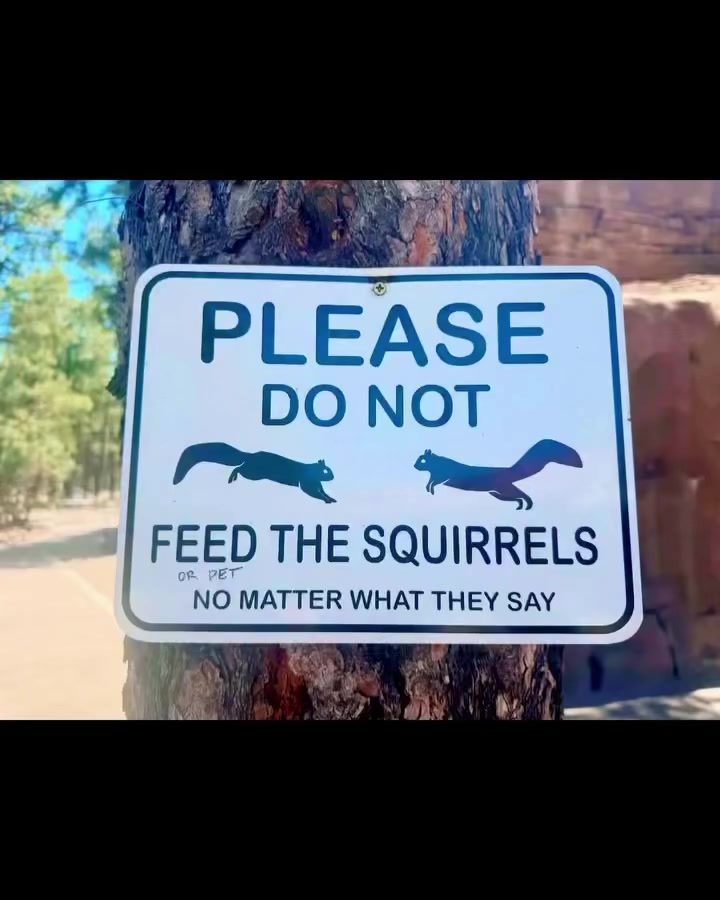
Squirrel Interactions and Warnings: Understanding the Risks
Squirrels are common sights in both urban and natural settings, often charming with their playful antics. However, encountering them, especially in places like the Grand Canyon, comes with important considerations. These creatures, while adorable, can pose significant risks to both humans and their own health if not interacted with properly. Understanding the dangers and the importance of maintaining a respectful distance is crucial for anyone ventering into squirrel habitats.
Why This Matters
Squirrels are ubiquitous in many environments, from city parks to national parks like the Grand Canyon. Their presence can significantly impact the ecosystem and human interactions. Feeding squirrels, though tempting, can lead to unintended consequences, including health risks and behavioral changes in the animals. Recognizing the signs and warnings about squirrel interactions is essential for anyone spending time in areas where these animals are prevalent. The Grand Canyon, in particular, has strict guidelines to keep visitors and wildlife safe. These guidelines extend beyond squirrels, highlighting the importance of safeguarding all wildlife in national parks.
The Grand Canyon’s Warning Signs
The Grand Canyon is renowned for its stunning landscapes and diverse wildlife. Among the many signs posted throughout the park, those related to squirrels are particularly noteworthy. These signs warn visitors about the dangers of feeding squirrels and the potential health risks involved. Key points include:
- Squirrel Bites: Squirrel bites are the most common animal injury in the Grand Canyon. These bites can lead to infections and other health issues, making it crucial to avoid direct contact with squirrels.
- Aggresive Behavior: Tame rock squirrels, those that have become accustomed to human interaction, can exhibit aggressive behavior if fed. This behavior can lead to unexpected encounters and potential harm to visitors.
- Disease Transmission: Squirrels can carry diseases like the plague, which can be transmitted to humans. Feeding squirrels increases the risk of disease transmission, making it essential to maintain a safe distance.
San Francisco’s Perspective
San Francisco, known for its urban wildlife, also has strict guidelines regarding squirrel interactions. The city's parks and recreational areas are adorned with signs warning against feeding squirrels. The rationale behind these warnings is similar to those in the Grand Canyon:
- Health Risks: Feeding squirrels can lead to health risks for both humans and squirrels. Squirrels that become reliant on human food may suffer from malnutrition and other health issues.
- Behavioral Changes: Squirrels that are fed by humans may lose their natural fear of people, leading to aggressive behavior and increased human-wildlife conflicts.
Main Discussion
The Impact of Feeding Wildlife
Feeding wildlife, including squirrels, can have profound impacts on both the animals and the environment. Understanding these impacts is essential for anyone interacting with or observing wildlife.
Altering Natural Behavior
Feeding squirrels can alter their natural behavior in significant ways. Squirrels that become accustomed to human food may lose their natural foraging behavior, relying instead on human-provided food. This dependency can lead to several problems:
- Malnutrition: Human food is often not nutritious enough to meet the dietary needs of squirrels. Over time, this can lead to malnutrition and other health issues.
- Increased Aggression: Squirrels that become dependent on human food may exhibit aggressive behavior, especially if they perceive humans as a source of food. This can lead to unwanted interactions and potential injuries.
Health Risks to Humans
Interacting with squirrels, particularly those that have become tame, can pose health risks to humans. Squirrels can carry various diseases that can be transmitted to humans, including:
- Plague: The plague is a serious bacterial infection that can be transmitted through squirrel bites. This disease can be fatal if not treated promptly.
- Other Transmittable Diseases: Squirrels can also carry other diseases, such as tularemia, which can be transmitted to humans through bites, scratches, or handling infected animals.
The Importance of Keeping Wildlife Wild
Maintaining a respectful distance from wildlife is crucial for both human safety and the well-being of the animals. Feeding squirrels, no matter how tempting, can lead to a myriad of problems. Instead, enjoying wildlife from a distance is the best approach. This practice not only ensures human safety but also helps preserve the natural behavior and health of the animals.
Benefits of Maintaining Distance
Keeping a safe distance from squirrels and other wildlife offers several benefits:
- Reduced Risk of Injury: Maintaining a distance reduces the risk of squirrel bites and other injuries. This is particularly important in areas with high squirrel populations, like the Grand Canyon and San Francisco.
- Preservation of Natural Behavior: Allowing squirrels to forage and feed on their natural diet helps preserve their natural behavior. This ensures that they remain healthy and adaptable to their environment.
- Enhanced Wildlife Observation: Observing wildlife from a distance provides a unique and unobstructed view of their natural behavior. This can be a more enriching and educational experience than one involving direct interaction.
Practical Tips
To ensure safe and enjoyable interactions with squirrels, consider the following tips:
- Respect All Signs: Pay attention to signs warning against feeding squirrels. These signs are placed to protect both visitors and wildlife.
- Keep Food Secure: Ensure any food or snacks are securely stored and out of reach of squirrels. This helps prevent them from becoming dependent on human food.
- Maintain a Distance: Enjoy observing squirrels from a safe distance. Use binoculars or a camera with a zoom lens to get a closer look without physically approaching the animals.
- Report Aggressive Behavior: If you encounter a squirrel exhibiting aggressive behavior, report it to park authorities. This helps ensure the safety of other visitors and the health of the squirrel population.
Handling Squirrel Encounters
If you find yourself in a situation where a squirrel approaches you, remain calm and follow these steps:
- Do Not Feed the Squirrel: Avoid feeding the squirrel, even if it appears friendly. Feeding can encourage the squirrel to approach humans more frequently, leading to potential conflicts.
- Back Away Slowly: If a squirrel approaches you, back away slowly and calmly. Avoid making sudden movements that could startle the squirrel and provoke aggressive behavior.
- Secure Food and Belongings: Ensure that any food or belongings are out of reach. Keep them in a secure backpack or container to prevent the squirrel from accessing them.
Important Takeaways
Interacting with squirrels, especially in areas like the Grand Canyon and San Francisco, requires a respectful and cautious approach. Understanding the risks involved and the importance of maintaining a safe distance is crucial for both human safety and the well-being of the animals. Key takeaways include:
- Squirrel Bites: Are the most common animal injury in the Grand Canyon, highlighting the importance of maintaining a safe distance.
- Aggresive Behavior: Tame rock squirrels may become aggressive if fed, leading to potential harm to visitors.
- Disease Transmission: Squirrels can carry diseases like the plague, which can be transmitted to humans through bites or scratches.
- Preservation of Natural Behavior: Keeping wildlife wild helps preserve their natural behavior and health, ensuring a more enjoyable and safer experience for both humans and animals.
Conclusion
Squirrels are fascinating creatures that can enrich our outdoor experiences, but they also come with certain risks. Understanding these risks and the importance of maintaining a respectful distance is crucial for anyone venturing into areas where squirrels are prevalent. By adhering to the guidelines and warnings, we can ensure a safe and enjoyable experience for everyone involved. Respect the signs, keep a safe distance, and enjoy the natural behavior of these fascinating animals from afar.
Watch the Reel
Questions readers ask
Why is it important to avoid feeding squirrels, especially in places like the Grand Canyon?
Feeding squirrels can alter their natural behaviors and make them dependent on human food, leading to health risks for both the squirrels and humans. In places like the Grand Canyon, this can disrupt the local ecosystem and create safety issues for visitors. Avoiding squirrel feeding also helps in maintaining the natural balance of the environment.
What are the health risks associated with interacting with squirrels?
Interacting with squirrels, particularly those that are fed by humans, can lead to health risks such as bites, scratches, and infections. Squirrels can carry diseases like tularemia, which can be transmitted to humans through direct contact or bites.
What do the Grand Canyon signs say about squirrel interactions?
The Grand Canyon has specific warning signs that advise visitors to keep a safe distance from squirrels and to avoid feeding them. These signs emphasize the importance of not approaching or handling wildlife to prevent potential injuries and to ensure the safety of both visitors and the animals.
How close is too close when it comes to squirrels in the Grand Canyon?
The Grand Canyon guidelines recommend maintaining a safe distance from squirrels and all wildlife, aiming for at least 100 yards. It is important to remember that these animals are wild and should not be approached or touched, as they can react unpredictably and cause harm.
What should I do if a squirrel approaches me while backpacking in the Grand Canyon?
If a squirrel approaches you, remain calm and still. Do not attempt to feed or touch the squirrel. Make sure to pick up any food or trash to avoid attracting the squirrel further. If the squirrel becomes aggressive, use a stick or other object to gently wave it away from you.
What are some other tips for safely interacting with wildlife in the Grand Canyon?
To ensure a safe experience, always observe wildlife from a distance and avoid feeding them. Store food securely in animal-resistant containers and dispose of trash properly. Stay on designated trails and follow all park guidelines to minimize disturbance to the wildlife and their habitats.
Is it illegal to feed squirrels in national parks like the Grand Canyon?
Yes, feeding squirrels and other wildlife is typically prohibited in national parks, including the Grand Canyon. This regulation helps protect both the animals and visitors by preventing habituation, which can lead to aggressive behavior in animals and potential hazards for humans. Always follow park rules and guidelines to maintain a safe and enjoyable experience for everyone.
Related deep dives
Similar reads based on topic and creator.




Recent articles
Fresh deep dives from the latest Reels we unpacked.



Comments
Be the first to comment.