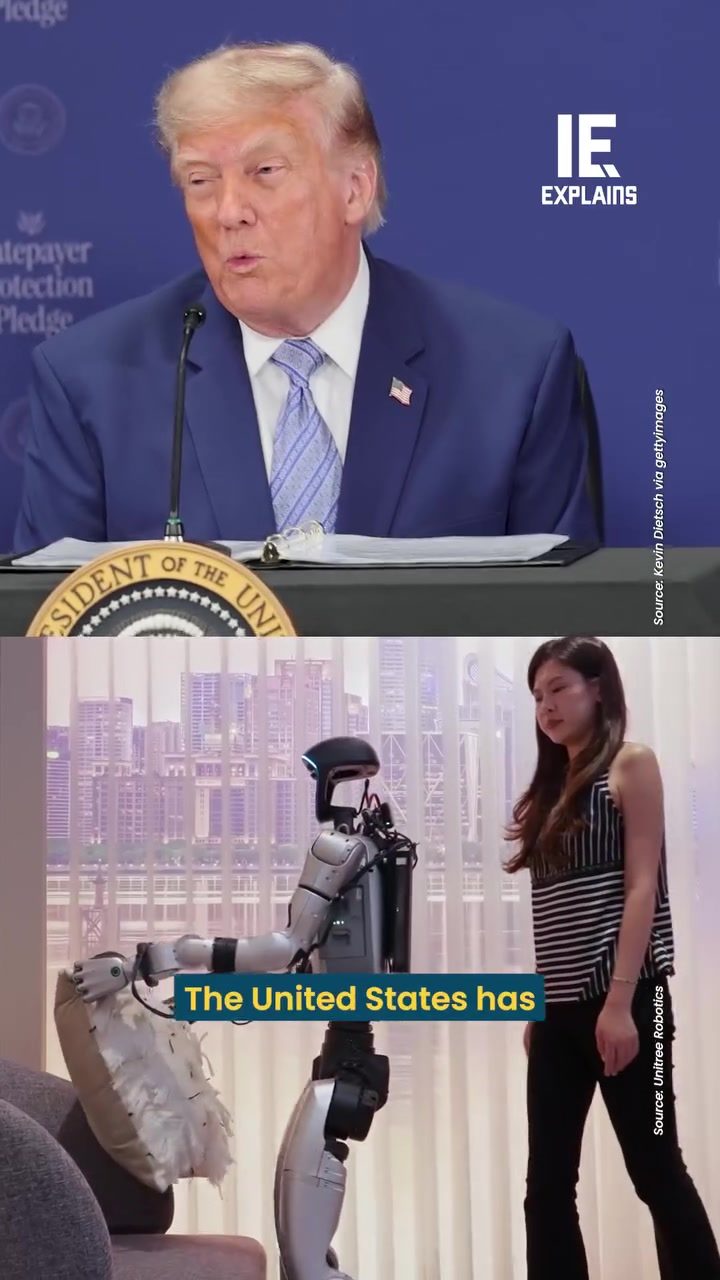
The FCC's New Restrictions on Foreign-Built Robots and Inverters from the US Market
The US Federal Communications Commission (FCC) has introduced significant restrictions on foreign-made power inverters and advanced robotic devices, including humanoids, quadrupeds, and autonomous mobile robots. These changes, effective from July 28, 2024, mean that new foreign-produced devices in these categories will require FCC authorization to be imported, marketed, or sold in the US. This move aims to bolster national security and address potential vulnerabilities in these technologies. Existing models already approved by the FCC are not affected by these new regulations.
Context / Why This Matters
The FCC's actions underscore the growing concern over the security implications of foreign-made technology, particularly in the realm of robotics and power management. These devices often contain embedded radio communication systems, qualifying them for FCC jurisdiction under the same principles governing routers and drones. This decision comes at a time when the US grid capacity and power management systems are increasingly reliant on advanced technology.
The Role of Robotics
Foreign-built robots are becoming increasingly sophisticated, often featuring advanced communication capabilities. This makes them potential targets for cybersecurity threats. The FCC's new rules are designed to mitigate risks stemming from these technologies, particularly those built by foreign companies, notably China.
The Threat of a Self-Spreading Botnet
One of the key concerns highlighted by the FCC is the potential for robots to be exploited into a self-spreading botnet. This concept involves chaining robotic devices together to create a network that can propagate itself. Such a botnet could be used for malicious purposes, including unauthorized access to critical infrastructure. In a 2020 incident, a backdoor on Chinese robotic quadrupeds exposed around 7,000 home robots in over 20 countries, illustrating the real-world risks associated with these vulnerabilities.
The Significance of Power Inverters
Power inverters are critical components in modern power management systems, converting direct current (DC) to alternating current (AC). The US grid runs on over 46 gigawatts of capacity through these devices. However, the domestic market for inverters is largely dominated by foreign manufacturers, with only 7% of 2020 US inverter shipments coming from American-headquartered companies. This reliance on foreign technology raises questions about supply chain security and the potential for cyber threats to be introduced through these devices.
Unitee Robotics and the Impact
Unitee Robotics, a notable player in the robotics industry, will likely be impacted by these new regulations. The company's products, including humanoid and quadrupedal robots, fall under the categories now required to obtain FCC authorization. This means that Unitee Robotics, like other manufacturers, will need to ensure their devices meet the new security standards before they can be marketed or sold in the US.
Main Discussion
Understanding the New Regulations
The new FCC regulations are part of a broader effort to enhance national security by controlling the influx of foreign-built technology. These regulations apply to any foreign-built device, regardless of the company's nationality. The focus, however, is on mitigating risks associated with Chinese-made technology, given the evidence of past vulnerabilities and potential threats of self-spreading botnets.
What It Means for Manufacturers
Manufacturers of foreign-built robotic devices and power inverters will need to comply with the new FCC authorization requirements. This involves ensuring that their products meet the necessary security and communication standards. For companies like Unitee Robotics, this may necessitate redesigning or upgrading existing models to align with the new guidelines.
The Impact on the Market
The new regulations are expected to significantly impact the US market for robotic devices and power inverters. Consumers and businesses may face limited options as manufacturers adjust to the new requirements. However, the long-term benefits of enhanced security and reduced risks of cyber threats are likely to outweigh the short-term disruptions.
Practical Tips
-
Compliance and Authorization: Manufacturers of foreign-built robotic devices and power inverters should start the process of obtaining FCC authorization as soon as possible. This involves ensuring that their products meet the necessary security and communication standards.
-
Risk Assessment: Businesses and consumers reliant on these technologies should conduct a risk assessment to identify potential vulnerabilities in their existing systems. This includes evaluating the security of their current robotic and power management solutions.
-
Supply Chain Diversification: Given the dominance of foreign manufacturers in the power inverter market, businesses should consider diversifying their supply chains. This can help mitigate the risks associated with relying on a single source of technology.
-
Stay Informed: Keep up-to-date with the latest developments and requirements from the FCC. This will help manufacturers and users navigate the changing regulatory landscape and ensure compliance with the new standards.
Important Takeaways
The FCC's new regulations on foreign-built robots and inverters mark a significant shift in the US approach to managing potential cybersecurity threats. These changes underline the importance of national security in the modern technological landscape and the need for robust standards to protect critical infrastructure.
Conclusion
The FCC's decision to block new, foreign-made humanoid robots and power inverters from the US market highlights the growing concerns over cybersecurity and the potential risks associated with foreign-built technology. As the US grid becomes increasingly reliant on advanced robotic and power management systems, the need for stringent security measures is more critical than ever. Manufacturers, businesses, and consumers must adapt to these new regulations to ensure the safety and security of these critical technologies.
Watch the Reel
Questions readers ask
When do the new FCC restrictions on foreign-made robots and power inverters take effect?
The new FCC regulations will be enforced starting from July 28, 2024. Any foreign-made power inverters or advanced robotic devices imported, marketed, or sold after this date will require FCC authorization.
Which types of robots are affected by the FCC's new rules?
The FCC's new regulations apply to a range of advanced robotic devices, including humanoids, quadrupeds, and autonomous mobile robots. These restrictions are aimed at enhancing national security and addressing potential vulnerabilities.
Do the new regulations affect power inverters as well?
Yes, the FCC's restrictions also apply to power inverters. New foreign-made power inverters will need to obtain FCC authorization before they can be imported, marketed, or sold in the US after July 2024.
Are there any exceptions to these new regulations?
Yes, existing models of robots and power inverters that have already been approved by the FCC are not affected by these new regulations. The new rules only apply to new devices introduced after July 28, 2024.
What is the purpose of the FCC's new restrictions on foreign robots and power inverters?
The FCC's new restrictions are aimed at enhancing national security and mitigating potential vulnerabilities in advanced robotics and power inverter technologies. These measures are part of broader efforts to safeguard US markets and infrastructure.
How can manufacturers comply with the FCC's new regulations?
Manufacturers of foreign-made robots and power inverters that plan to enter the US market after July 2024 must obtain authorization from the FCC. This process involves demonstrating that their products meet the necessary security and operational standards.
Will these regulations impact the availability of robots and power inverters in the US market?
The new regulations may temporarily affect the availability of certain foreign-made robots and power inverters in the US market as manufacturers work to obtain the necessary authorization from the FCC. However, existing approved models will remain unaffected.
Related deep dives
Similar reads based on topic and creator.


Recent articles
Fresh deep dives from the latest Reels we unpacked.




Comments
Be the first to comment.