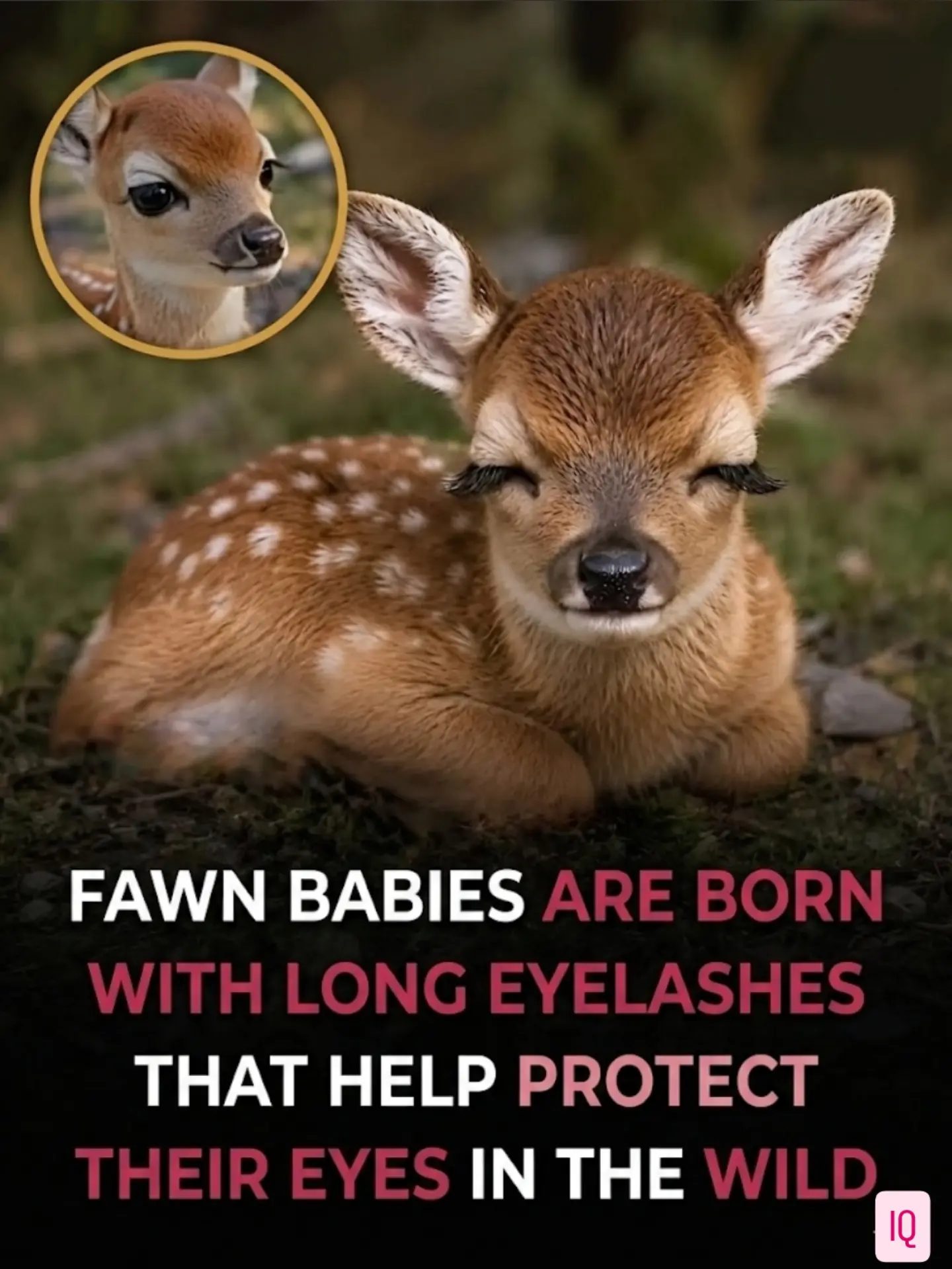
Fawn Babies and Their Eyelashes
Fawns, the young of deer, are known for their delicate features and vulnerability in the wild. One of the most striking aspects of newborn fawns is their prominent, long eyelashes. These eyelashes serve a crucial purpose in their natural habitats, designed to protect their sensitive eyes from debris and harsh elements.
Context / Why this Matters
Understanding the adaptations of wild animals, such as fawns, provides insight into the intricate ways nature equips its young to survive. For fawns, their long eyelashes are a prime example of how small features can have significant benefits in the wild. These lashes act as a natural defense mechanism, safeguarding their eyes from potential hazards like dirt, twigs, and other debris that could cause injury or infection in their natural environment.
Main Discussion
The Role of Eyelashes in Fawns
Fawns are born with these long, protective eyelashes to help shield their eyes from the elements. In the wild, fawns are particularly vulnerable due to their small size and limited mobility. The eyelashes serve as a natural barrier, reducing the risk of eye infections and injuries that could compromise their vision and overall health.
Adaptations for Survival
The eyelashes of fawns are just one of the many adaptations that help them survive in their natural habitats. Other adaptions include their spotted coats, which provide camouflage, helping them blend into their surroundings and avoid predators. Additionally, fawns are born with a strong instinct to remain still when threatened, further enhancing their survival chances.
The Importance of Visual Protection
In the wild, vision is crucial for hunting, foraging, and avoiding predators. Fawns, being young and inexperienced, rely heavily on their mothers for guidance and protection. However, the eyelashes serve an important role in ensuring that their vision remains uncompromised. Without this natural defense, fawns would be more susceptible to eye infections and injuries, which could impair their vision and mobility, making them easier targets for predators.
The Human Misconception
While it's true that fawns are born with long eyelashes, it's essential to address a common misconception. Many widely circulated images depicting fawns with dramatically long, human-like lashes are often digitally fabricated for aesthetic appeal. These images, while visually appealing, do not accurately represent the natural eyelashes of fawns. The actual eyelashes of fawns are protective but do not resemble the exaggerated features seen in many online images.
Recognizing AI-Generated Images
The popularity of AI-generated graphics has led to the widespread sharing of images that may not accurately represent real-life animals. It's important to recognize the difference between realistic depictions and digitally enhanced images. While these images can be entertaining, they can also mislead people about the natural characteristics of animals.
The Real Facts
In reality, fawns' eyelashes are designed to be functional rather than aesthetically pleasing. They are a practical adaptation that helps protect their eyes from harm, allowing them to develop and thrive in their natural habitats.
Practical Tips
When sharing or viewing images of wildlife, especially those featuring young animals, it's crucial to be discerning. Here are some practical tips to help you differentiate between realistic depictions and AI-generated graphics:
- Check the Source: Always verify the source of the image. Reputable wildlife organizations and photographers are more likely to provide accurate and authentic depictions of animals.
- Look for Natural Features: Eyelashes on fawns should look functional and natural, not exaggerated or artificially enhanced. Pay attention to details that might indicate digital manipulation.
- Read Descriptions: Often, the descriptions accompanying images can provide valuable context and information about whether the image is authentic.
Important Takeaways
Fawns' long eyelashes are a remarkable adaptation that highlights nature's ingenuity in protecting its young. These eyelashes play a crucial role in shielding their sensitive eyes from debris and harsh elements, ensuring their vision remains intact as they grow and develop in the wild.
While it's important to appreciate the beauty of wildlife, it's equally important to recognize the differences between realistic depictions and digitally enhanced images. By being discerning and informed, we can better appreciate the natural wonders of the animal kingdom.
Conclusion
Fawns' long eyelashes are a testament to the incredible adaptations that animals possess to thrive in their natural habitats. Understanding these adaptations not only deepens our appreciation for wildlife but also serves as a reminder of the delicate balance that exists in nature.
Watch the Reel
Questions readers ask
Why do fawns have such long eyelashes?
Fawns are born with long eyelashes as a protective measure. These eyelashes help shield their delicate eyes from debris, dirt, and other environmental hazards that could potentially harm their vision.
How do fawn eyelashes aid in their survival?
Fawn eyelashes act as a natural barrier, protecting their eyes from injuries that could impair their vision. In the wild, good vision is crucial for fawns to evade predators and navigate their environment effectively.
Are fawns born with their protective eyelashes?
Yes, fawns are born with their long eyelashes. This feature is an adaptation that helps them from the moment they enter the world, providing immediate protection for their vulnerable eyes.
What kind of hazards do fawn eyelashes protect against?
The long eyelashes on fawns protect their eyes from various hazards such as twigs, dirt, and other debris. These natural defenses help prevent injuries that could affect the fawn's vision and overall health.
How do fawns' eyelashes compare to those of adult deer?
Fawns' eyelashes are particularly prominent and long compared to those of adult deer. This is because newborn fawns are more vulnerable and need extra protection for their delicate eyes as they navigate their environment.
Why is eye protection so important for newborn fawns?
Newborn fawns rely heavily on their vision to stay safe and find their mothers. Any damage to their eyes could severely impact their ability to survive in the wild, making eye protection a critical aspect of their development.
Do other young animals have similar protective features?
While other animals might have their own unique adaptations, the long eyelashes of fawns are a specific feature that highlights how nature equips different species with tailored protections for survival. Other animals may have different mechanisms to safeguard their young.
Related deep dives
Similar reads based on topic and creator.




Recent articles
Fresh deep dives from the latest Reels we unpacked.




Comments
Be the first to comment.