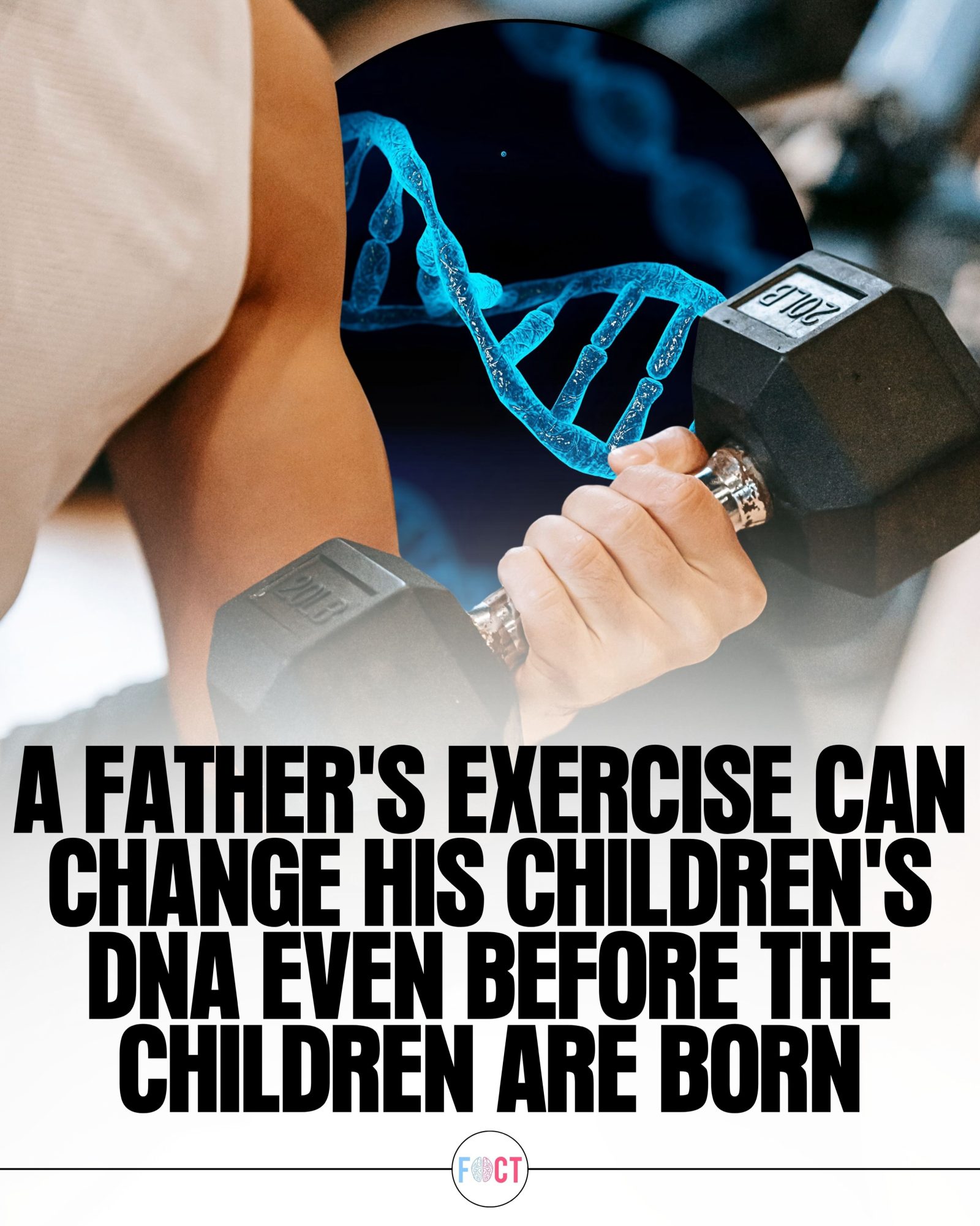
Epigenetics and Exercise: Understanding the Impact on Future Generations
Epigenetics is a fascinating field of study that explores how our environment and lifestyle can influence how our genes are expressed. Recent research has shed light on how a father's lifestyle, including exercise, before conception can impact the health and traits of his future children. This effect is not due to changes in the DNA sequence itself, but rather chemical modifications that alter gene expression.
Context: How Lifestyle Choices Affect Future Generations
Epigenetic changes can occur due to various factors, including diet, stress, sleep, and overall health. These changes can affect how genes are turned on or off, influencing traits and health outcomes. While genetics play a significant role in determining our characteristics and susceptibility to diseases, it is now understood that lifestyle choices can also play a role, especially when it comes to the health of future generations.
Understanding Epigenetics and Exercise
The Role of Exercise in Epigenetic Changes
Exercise is a well-known factor that can induce epigenetic changes. Regular physical activity can alter gene expression in ways that benefit metabolic health, brain function, and even disease resistance. These benefits are not limited to the individual engaging in exercise; they can also be passed on to future offspring. For instance, a father who exercises may influence his children's DNA, setting them up for better health outcomes later in life.
Epigenetic Inheritance: How It Works
Epigenetic inheritance occurs when chemical modifications to DNA or associated proteins, such as methylation or histone modifications, are passed on from one generation to the next. These changes can affect gene expression without altering the underlying DNA sequence. This means that lifestyle choices, such as exercise, can leave a mark on our genes that can be inherited by our children.
The Influence of a Father's Lifestyle
Research has shown that a father's lifestyle before conception can have a significant impact on his future children. For example, studies have found that a father's exercise routine can create epigenetic changes that affect his children's metabolism, brain function, and disease resistance. These changes can occur even before the children are born, highlighting the importance of pre-conception health.
Specific Benefits of a Father's Exercise
A healthier father may pass on several benefits to his children:
-
Metabolic Health: Regular exercise can improve metabolic health, which can be passed on to future generations. This means that children may have a lower risk of developing metabolic disorders like obesity and type 2 diabetes.
-
Brain Function: Exercise is known to have positive effects on brain function, and these benefits can be inherited by future generations. This includes improved cognitive function and a reduced risk of neurodegenerative diseases.
-
Disease Resistance: A father's exercise routine can also enhance his children's immune system, making them more resistant to diseases. This is likely due to epigenetic changes that improve overall health and immune function.
The Impact of Other Lifestyle Factors
While exercise is a key factor, it is not the only lifestyle choice that can influence epigenetic inheritance. Diet, stress, sleep, and overall health also play significant roles. For instance, a balanced diet rich in nutrients can support healthy gene expression, while chronic stress can lead to detrimental epigenetic changes. Ensuring adequate sleep and maintaining good overall health can also contribute to positive epigenetic changes that benefit future generations.
Practical Tips for Optimizing Epigenetic Health
Incorporate Regular Exercise
Regular physical activity is one of the most effective ways to induce positive epigenetic changes. Aim for at least 150 minutes of moderate-intensity or 75 minutes of vigorous-intensity aerobic activity per week, along with strength training exercises at least two days a week.
Maintain a Balanced Diet
A balanced diet rich in fruits, vegetables, lean proteins, and whole grains provides the nutrients needed for healthy gene expression. Avoid processed foods, sugars, and unhealthy fats, as they can contribute to negative epigenetic changes.
Manage Stress
Chronic stress can lead to detrimental epigenetic changes. Incorporate stress-management techniques such as meditation, yoga, or deep breathing exercises into your daily routine to promote better mental and physical health.
Prioritize Sleep
Adequate sleep is essential for overall health and can support positive epigenetic changes. Aim for 7-9 hours of quality sleep per night to ensure your body has the time it needs to repair and rejuvenate.
Maintain Overall Health
Regular check-ups, preventive care, and addressing any health concerns promptly can help maintain overall health and support positive epigenetic changes. This includes managing chronic conditions, staying up-to-date with vaccinations, and following a healthy lifestyle.
Important Takeaways
Epigenetic research highlights the importance of a healthy lifestyle, particularly for fathers-to-be. By maintaining good health, engaging in regular exercise, eating a balanced diet, managing stress, and prioritizing sleep, individuals can influence the health and well-being of their future children. This influence is not limited to physical health but can also affect cognitive function, metabolic health, and disease resistance.
Conclusion
The field of epigenetics provides compelling evidence that our lifestyle choices can have a profound impact on future generations. By understanding and applying the principles of epigenetic inheritance, individuals can take proactive steps to enhance the health and well-being of their children. While genetics play a significant role, lifestyle choices offer a powerful tool for shaping the future health of generations to come. Embracing a healthy lifestyle today can lead to a healthier tomorrow for both you and your children.
Watch the Reel
Questions readers ask
How does a father's exercise routine before conception affect his children's health?
A father's pre-conception fitness can influence his children's health through epigenetic changes. Regular exercise can alter gene expression in a way that benefits future offspring. This means that a father's exercise habits can impact the health and traits of his children long before they are even conceived.
Can exercise cause changes in a man's DNA that affect his children?
Exercise does not change the DNA sequence itself. Instead, it causes chemical modifications that alter how genes are expressed. These epigenetic changes can be passed down to future generations, influencing the health and traits of the father's children.
What specific health benefits can a father's pre-conception fitness provide to his offspring?
While the specific benefits can vary, research suggests that a father's pre-conception fitness can lead to improved metabolic health, reduced risk of certain diseases, and enhanced overall well-being for his children. These benefits are a result of epigenetic changes that influence gene expression.
How long do the epigenetic changes from a father's exercise last?
The duration of epigenetic changes from a father's exercise can vary. Some changes may be temporary, while others can have long-lasting effects that influence the health of future generations. Regular exercise over an extended period may lead to more sustained epigenetic changes.
Can other lifestyle factors besides exercise influence a father's children's health through epigenetics?
Yes, various lifestyle factors can influence a father's children's health through epigenetics. Factors such as diet, stress levels, sleep patterns, and overall health can all contribute to epigenetic changes. These changes can affect how genes are expressed, influencing the health and traits of future offspring.
Should men start exercising before conception to improve their baby's health?
Incorporating regular exercise into a man's lifestyle before conception can have positive effects on the health of his future children. Exercising can help pass on beneficial epigenetic changes that may enhance the baby's overall well-being. However, it's always recommended to consult with a healthcare provider before starting any new exercise regimen.
How does a father's fitness influence his child's traits?
A father's fitness can influence his child's traits through epigenetic changes that affect gene expression. These changes can potentially impact a range of traits, from physical characteristics to metabolic health. By maintaining a healthy lifestyle, fathers can positively influence the traits and health outcomes of their future children.
Recent articles
Fresh deep dives from the latest Reels we unpacked.




Comments
Be the first to comment.