Parenting and Mental Health
Understanding how parenting can shape a child's mental health is crucial for fostering a nurturing and supportive environment. Studies have shown that the relationship between a child and their father can significantly influence the child's emotional well-being. This relationship can help children develop resilience and emotional regulation skills, which are vital for managing stress and anxiety.
Why This Matters
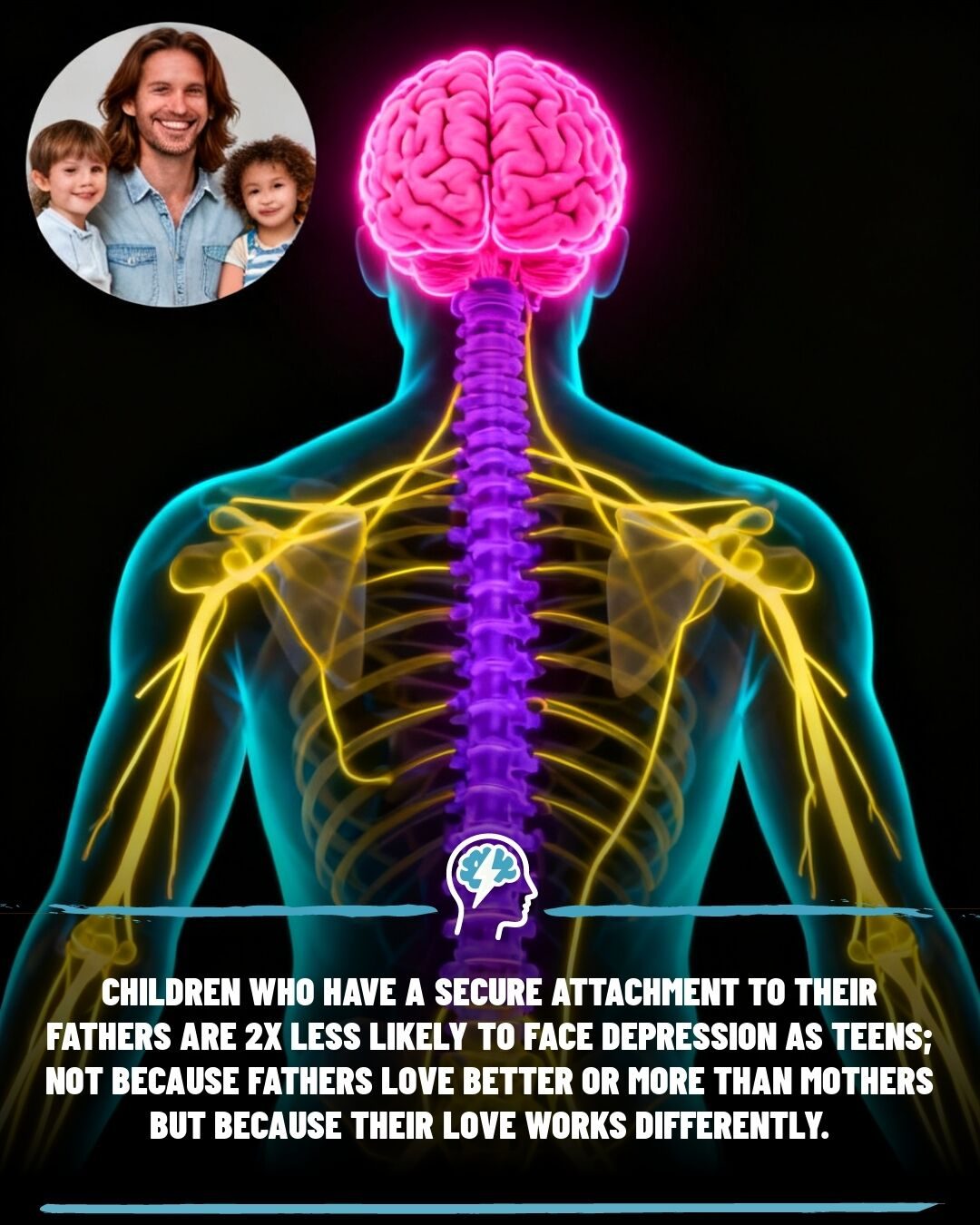
Research indicates that children who have a secure attachment to their fathers are twice as likely to avoid depression and anxiety during their teenage years. This finding underscores the importance of paternal involvement in a child's life. It's not just about the quantity of time spent together; the quality of the emotional connection plays a pivotal role. Fathers who provide consistent, responsive care and emotional warmth help their children build a strong emotional foundation.
In addition to the benefits for children, fathers themselves are twice as likely to face lower rates of depression than mothers. This difference isn't due to fathers loving their children more or differently but rather because of how they express their love. Fathers often engage in activities that promote physical play and emotional exploration, which can help children develop better coping mechanisms for managing tough emotions.
The Importance of Emotion Regulation
One of the key reasons children benefit from a secure attachment to their fathers is emotion regulation. Emotion regulation refers to the ability to manage and control one's emotional responses. Children who feel secure with their fathers tend to get better at managing tough feelings, especially sadness, which can buffer against later depression. This skill is crucial for navigating the challenges of adolescence and beyond.
How Fathers Express Love
Fathers often express love through play, adventure, and physical activities, which can help children develop resilience and emotional strength. This type of emotional expression can be just as effective as the nurturing and soothing care typically associated with mothers. Both types of care are essential and often work best when combined.
The Role of Both Parents
It's important to note that security with both parents seems to have an additive effect, layering resilience in the child. Both parents contribute to a child's emotional foundation, and their roles are complementary rather than rigid. Consistent, responsive care and emotional warmth, whether provided by a father, mother, or other caregivers, are what matters most.
Practical Tips for Building Secure Attachment
Building a secure attachment with your child involves several key strategies. Here are some practical tips to help you foster a strong emotional bond:
- Engage in Quality Time: Spend quality time with your child, whether through play, conversation, or shared activities. The key is to be fully present and engaged during these moments.
- Emotional Availability: Be emotionally available to your child. Show empathy, understanding, and responsiveness to their emotions.
- Consistent Care: Provide consistent care and support. Children thrive on predictability and routine, which helps them feel secure and loved.
- Encourage Emotional Expression: Encourage your child to express their emotions openly. Validate their feelings and help them navigate tough emotions in a healthy way.
- Physical Affection: Show physical affection through hugs, kisses, and holding hands. Physical touch can reinforce the emotional bond between you and your child.
Important Takeaways
Paternal involvement and warmth matter more than we once acknowledged. Both parents contribute to a child's emotional foundation, and their roles are complementary. Here are some important takeaways:
- Paternal Involvement: Pateral involvement significantly impacts a child's emotional well-being. Fathers who provide consistent, responsive care and emotional warmth help their children develop resilience and emotional regulation skills.
- Emotion Regulation: Emotion regulation is a key benefit of secure father-child attachment. Children who feel secure with their fathers tend to get better at managing tough feelings, especially sadness, which can buffer against later depression.
- Both Parents Matter: Security with both parents seems to have an additive effect, layering resilience in the child. Both parents contribute to a child's emotional foundation, and their roles are complementary.
Conclusion
The relationship between a child and their father plays a critical role in shaping the child's mental health. Secure father-child attachment can help children develop resilience, emotional regulation skills, and a strong emotional foundation. By providing consistent, responsive care and emotional warmth, fathers can significantly impact their children's well-being. Both parents contribute to a child's emotional foundation, and their roles are complementary. Understanding the importance of paternal involvement and warmth can help you build a strong emotional bond with your child, fostering a nurturing and supportive environment.
Watch the Reel
Questions readers ask
How does father-child bonding help teens manage stress and anxiety?
Father-child bonding helps teens manage stress and anxiety by fostering emotional resilience and regulation. Through quality time and emotional connection, fathers can equip their children with crucial coping skills that are essential for navigating the challenges of adolescence.
What is the impact of a secure attachment to a father on a teen's mental health?
A secure attachment to a father significantly lowers the risk of depression and anxiety in teenagers. Research indicates that teens with a strong emotional bond to their fathers are twice as likely to avoid these mental health issues during their adolescent years.
What role does the quality of time spent with a father play in teen mental health?
The quality of time spent with a father is crucial for teen mental health. It's the emotional connection and engagement during this time that helps build a strong father-child bond, which in turn, promotes resilience and better emotional regulation in teenagers.
How can fathers help teens develop emotional resilience?
Fathers can help teens develop emotional resilience by fostering a strong emotional connection. This involves spending quality time together, showing genuine interest in their child's life, and being emotionally available to support and guide them through life's challenges.
What are some specific ways fathers can build a strong bond with their teens?
Fathers can build a strong bond with their teens by engaging in activities they enjoy together, having open and honest conversations, and showing unconditional love and support. Regular check-ins about their teen's feelings and experiences can also strengthen their emotional connection.
How does father-child bonding during adolescence help prevent depression?
Father-child bonding during adolescence helps prevent depression by providing teens with a sense of security and emotional support. This bond helps teens develop better coping mechanisms and emotional regulation skills, which are vital for managing the stresses of teenage life.
What are the benefits of a strong father-child relationship for a teen's mental health?
A strong father-child relationship has several benefits for a teen's mental health. It can help reduce symptoms of depression, improve stress management skills, and increase overall emotional well-being, thus promoting a healthier and more resilient teenager.
Recent articles
Fresh deep dives from the latest Reels we unpacked.




Comments
Be the first to comment.