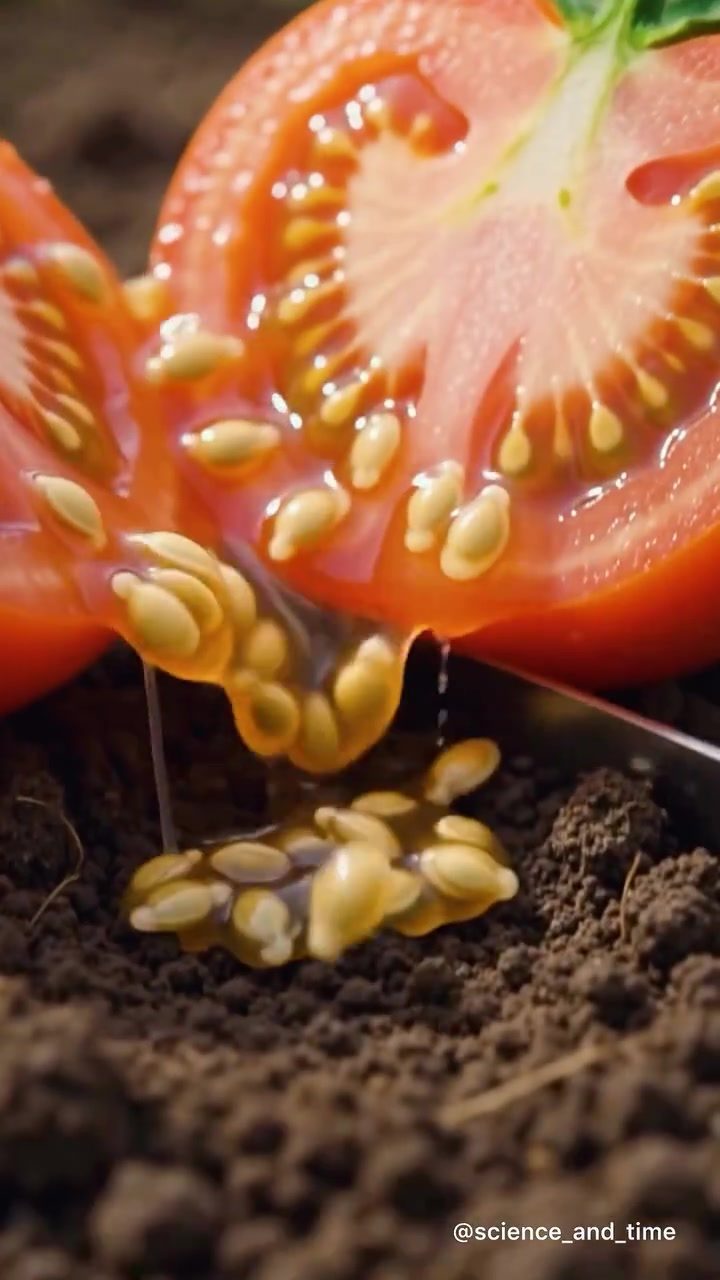
Plant Reproduction: A Guide Through Visible and Hidden Methods
Introduction
Plants reproduce in a variety of ways, and while seeds are a common method, not all plants rely on them. Understanding how plants like carrots, potatoes, ginger, garlic, and bananas propagate without visible seeds provides insight into the diverse reproductive strategies found in nature. Seedless fruits, including watermelons, bananas, grapes, and oranges, are particularly fascinating, as they often appear normal but have distinct reproductive mechanisms.
Context / Why this matters
Recognizing the various ways plants reproduce is essential for understanding agriculture, botany, and even the propagation of ornamental plants. This knowledge is crucial for farmers, botanists, and gardeners who need to cultivate these crops efficiently. Moreover, comprehending the science behind seedless fruits and other unusual reproduction methods can enhance our appreciation for the complexity and adaptability of the plant kingdom.
Main discussion
Seedless Fruits and Parthenocarpy
Seedless fruits, such as watermelons, grapes, and bananas, are a marvel of plant biology. Some of these fruits develop without fertilization through a process called parthenocarpy. This process allows the fruit to grow from an unfertilized ovary, resulting in a seedless produce. While these fruits appear normal, their seeds are either sterilized or never formed. This unique reproductive strategy has significant implications for agriculture and horticulture, as it allows for the production of seedless varieties that are often preferred by consumers.
Seedless watermelons, for example, are a result of crossing plants with different chromosome numbers, producing triploid offspring. These triploid plants can grow fruit but usually cannot form mature, hard seeds. This is a clever example of genetic manipulation aimed at enhancing the desirable characteristics of the fruit.
Vegetative Propagation
Vegetative propagation allows plants to reproduce without seeds, utilizing various plant parts such as roots, tubers, and rhizomes. This method is common in many plants and ensures the propagation of genetic material identical to the parent plant.
Potatoes and their Eyes
Potatoes are a prime example of vegetative reproduction. They grow from buds called "eyes" located on the potato. These eyes contain stored energy that fuels the growth of a new plant. By planting a section of an existing potato, farmers can produce a new potato plant that is genetically identical to the parent. This method is highly efficient and ensures that desirable traits are passed on to the next generation.
Ginger and Its Rhizomes
Ginger, on the other hand, propagates through underground stems known as rhizomes. These rhizomes, often called ginger roots, are used to grow new plants. Each rhizome can develop into a completely new plant, making it an effective method of propagation. Rhizomes store nutrients that support the growth of new shoots and roots.
Garlic and Its Cloves
Garlic grows from a single clove, which is technically a bulb. Each clove has the potential to develop into a new garlic plant. This method of reproduction is particularly efficient, as it allows for the rapid propagation of garlic plants. By planting individual cloves, farmers can quickly establish a new crop that is genetically identical to the parent plant.
Reproduction through Roots, Tubers, and Bulbs
Beyond the examples of potatoes, ginger, and garlic, many other plants rely on roots, tubers, and bulbs for reproduction. Tubers, such as those found in dahlias and cyclamen, store energy and nutrients that support the growth of new plants. Similarly, bulbs, like those in tulips and onions, contain all the necessary components to produce a new plant.
Pollination and Seed Formation
While some plants do not rely on seeds, many still produce them through pollination. Bees and other pollinators play a crucial role in this process by transferring pollen from one flower to another. This fertilization process is essential for the formation of seeds, which in turn enable the propagation of the plant species.
Practical tips
Understanding the various methods of plant reproduction can help gardeners and farmers choose the most effective propagation techniques for different plant species:
-
Choosing the Right Method: Depending on the type of plant, choose between seed propagation, vegetative propagation, or other methods.
-
Ensuring Genetic Diversity: For seed propagation, ensure that the seeds come from healthy, disease-free plants to maintain genetic diversity and vigor.
-
Selective Breeding: For seedless fruits, understand the genetic variations and selectively breed plants to produce desirable traits, such as seedlessness or disease resistance.
Important takeaways
Plant reproduction is a complex and fascinating process that varies widely among different species. Some plants, like carrots, potatoes, ginger, garlic, and bananas, reproduce without visible seeds, while others rely on seeds formed through pollination. Seedless fruits, such as watermelons and bananas, are produced through parthenocarpy, a process that allows the fruit to grow without fertilization. Vegetative propagation, using roots, tubers, rhizomes, and bulbs, is another effective method that ensures the propagation of desirable traits. Understanding these methods can enhance agricultural practices and deepen our appreciation for the diversity of plant life.
Conclusion
The methods by which plants reproduce are as diverse as the plants themselves. From seedless fruits to vegetative propagation, the strategies employed by plants to propagate are both ingenious and efficient. Whether through seeds, roots, tubers, rhizomes, or bulbs, the goal remains the same: to create new life and ensure the continuation of the species. By understanding these various reproductive methods, gardeners, farmers, and plant enthusiasts can better cultivate and appreciate the natural world.
Watch the Reel
Questions readers ask
What are some common methods of asexual reproduction in plants?
Asexual reproduction in plants occurs through various methods such as vegetative propagation, grafting, and budding. Some plants like potatoes and ginger reproduce through their roots, while others like bananas propagate through suckers or underground stems known as rhizomes.
How do plants like carrots and garlic reproduce without seeds?
Plants like carrots and garlic reproduce asexually through their modified roots and bulbs. Carrots can propagate from their taproot, while garlic grows from individual cloves, each capable of producing a new plant. These methods allow for efficient propagation without the need for seeds.
What are seedless fruits and how do they reproduce?
Seedless fruits like watermelons, bananas, and grapes are cultivated to produce without viable seeds. This is often achieved through genetic modification or natural mutations, which prevent seed development. These fruits rely on methods like grafting and tissue culture for propagation.
Why is understanding asexual reproduction in plants important for agriculture?
Understanding asexual reproduction in plants is crucial for agriculture as it allows for the propagation of desirable traits. Farmers can clone plants to maintain specific qualities, such as disease resistance or flavor, ensuring consistency in crops. It also helps in the production of uniform varieties and can assist in the conservation of endangered plant species.
How do plants like bananas propagate through asexual reproduction?
Banana plants propagate through a process called suckering, where new plants grow from the underground stems or rhizomes. These suckers, or offspring, are genetically identical to the parent plant, ensuring that the desirable traits of the parent plant are maintained in the new plants.
Can plants that reproduce asexually still produce seeds under certain conditions?
While plants that primarily reproduce asexually may occasionally produce seeds, this is often rare and depends on specific conditions. For example, some banana cultivars can produce seeds when exposed to certain environmental stressors, but this is not their primary method of reproduction.
What are the advantages of asexual reproduction in plants?
Asexual reproduction in plants offers several advantages, including rapid propagation, genetic uniformity, and the ability to maintain desirable traits. This method allows for the quick production of large numbers of plants with identical genetic material, making it a valuable tool in horticulture and agriculture.
Related deep dives
Similar reads based on topic and creator.




Recent articles
Fresh deep dives from the latest Reels we unpacked.




Comments
Be the first to comment.