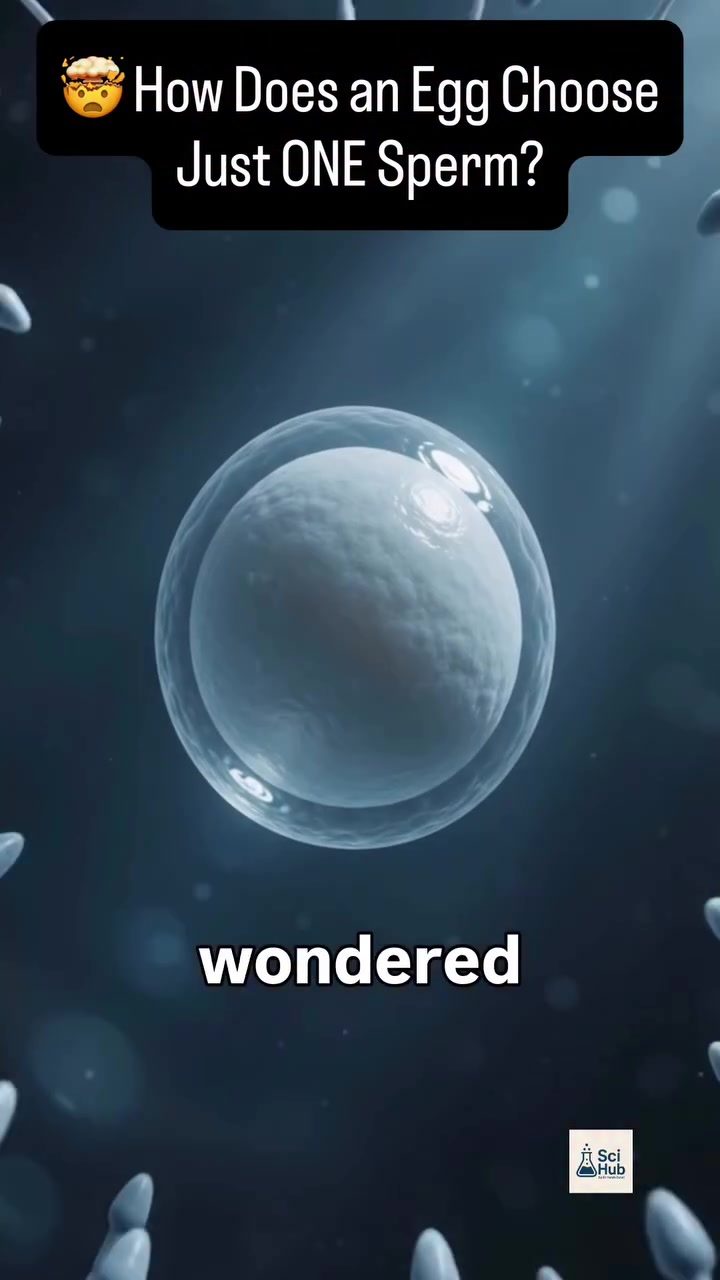
Egg and Sperm Fertilization: The Fascinating Biological Defense System
When it comes to the intricate dance of fertilization, the process by which an egg selects a single sperm is nothing short of amazing. This biological defense system ensures that only one sperm can successfully fuse with the egg, preventing multiple sperm from entering and causing potential issues in development.
The Mechanism Behind Selective Fertilization
The process begins with the egg, which has a negative electrical charge across its membrane before fertilization. This charge acts as a selective barrier, allowing the first sperm to gently fuse with the egg while others are still racing to reach it. This initial charge is crucial in the early stages of fertilization.
As soon as the first sperm successfully enters the egg, a remarkable change occurs. The egg instantly alters its electrical charge, making its surface no longer suitable for any additional sperm. This rapid change is known as the fast block to polyspermy, a critical biological mechanism that prevents polyspermy—the entry of more than one sperm into the egg.
Understanding Membrane Potential
Membrane potential plays a pivotal role in this process. The egg's membrane potential is negatively charged, which attracts the positively charged sperm. Once the first sperm fuses with the egg, the membrane potential changes, creating a barrier that repels any other approaching sperm. This change ensures that only one sperm can fertilize the egg, thereby maintaining the integrity of the developing embryo.
This system is not unique to humans; it is found in many externally fertilizing animals. In mammals, the primary mechanism involves the cortical reaction, a process that modifies the zona pellucida, the glycoprotein layer surrounding the egg, to prevent additional sperm from entering.
The Consequences of Polyspermy
The fast block to polyspermy is essential for normal development. Without this protection, multiple sperm could enter the same egg, leading to abnormal embryos. Polyspermy can result in triploidy or higher ploidy, where the embryo has more than the typical two sets of chromosomes, leading to developmental abnormalities and often, early pregnancy loss.
Practical Tips for Understanding Fertilization
For those interested in biology, understanding the process of fertilization can provide deeper insights into reproductive health and development. Here are some practical tips to enhance your understanding:
- Visualize the Process: Use animations and diagrams to visualize the changes in membrane potential and the fast block to polyspermy. This can make the concept more tangible and easier to grasp.
- Study the Science: Delve into the scientific literature on membrane potential and the cortical reaction. Understanding the molecular mechanisms behind these processes can provide a deeper appreciation for the precision of biological systems.
- Explore Real-World Examples: Look at examples of externally fertilizing animals to see how similar mechanisms are employed in different species. This can offer a broader perspective on the universality of these biological defenses.
Important Takeaways
The process of sperm selection and fertilization is a testament to the incredible precision and complexity of biological systems. Key takeaways include:
- The egg's negative membrane potential allows the first sperm to fuse while repelling others.
- The fast block to polyspermy is a critical mechanism that prevents multiple sperm from entering the egg.
- This system is essential for preventing abnormal embryonic development.
- Understanding this process can provide valuable insights into reproductive health and the intricate workings of biological systems.
Conclusion
The journey from fertilization to the creation of new life is a fascinating one, filled with intricate biological mechanisms that ensure the success and health of the developing embryo. The fast block to polyspermy is just one example of the remarkable ways in which nature protects the earliest stages of life. By understanding these processes, we gain a deeper appreciation for the complexity and beauty of biological systems.
Watch the Reel
Questions readers ask
What is polyspermy and why is it detrimental to the fertilization process?
Polyspermy is the phenomenon where more than one sperm enters an egg. This is detrimental because it can lead to abnormal embryo development, often resulting in early miscarriage or genetic disorders in cases where the embryo survives. The egg's biological defense mechanisms, like the electrical charge, are designed to prevent polyspermy.
How does the electrical charge on an egg's membrane facilitate single sperm selection?
The egg's membrane has a negative electrical charge before fertilization. This charge allows the first sperm to fuse with the egg while acting as a barrier to other sperm. Once the first sperm enters, the charge rapidly changes, preventing any other sperm from entering and ensuring only one sperm fertilizes the egg.
What happens to the electrical charge of the egg membrane after the first sperm successfully enters?
After the first sperm successfully enters the egg, a series of rapid biological changes occur, including a shift in the electrical charge of the egg's membrane. This change effectively blocks any other sperm from entering, ensuring that only one sperm can fertilize the egg and safeguarding the embryo's development.
Why is the rapid process of sperm selection crucial for successful fertilization?
The rapid process of sperm selection is crucial because it minimizes the risk of polyspermy. The egg's defense mechanisms act swiftly to prevent multiple sperm from entering, thereby ensuring successful and normal embryo development. This rapid process is a key factor in the overall success of fertilization.
What triggers the change in the egg's electrical charge during fertilization?
The change in the egg's electrical charge is triggered by the successful entry of the first sperm. This entry initiates a cascade of biological reactions within the egg, one of which is the alteration of the membrane's electrical charge to prevent additional sperm from entering.
Related deep dives
Similar reads based on topic and creator.



Recent articles
Fresh deep dives from the latest Reels we unpacked.




Comments
Be the first to comment.