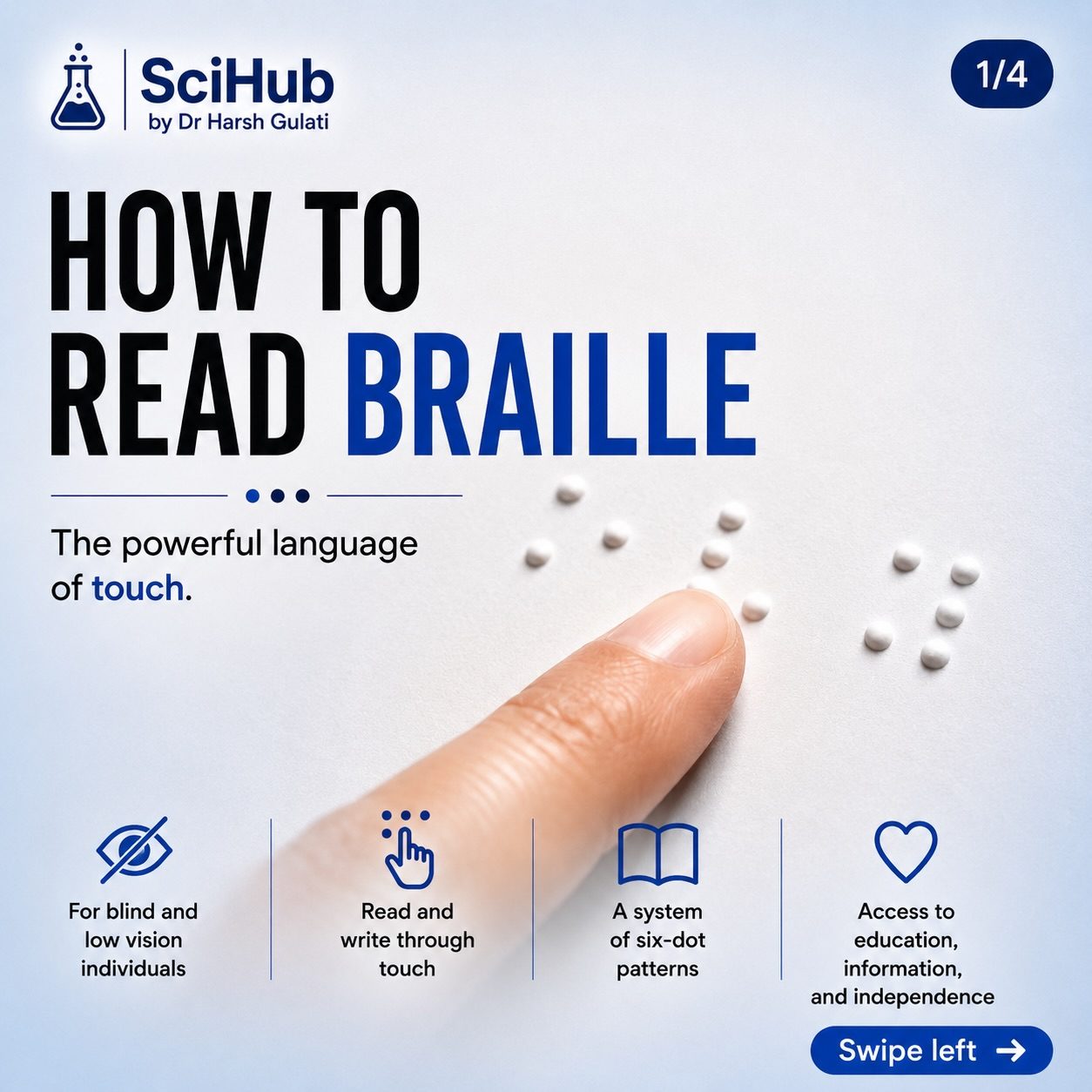
Braille: The Power of Touch in Reading and Writing
Braille is more than just a system of raised dots; it is a powerful language of touch that enables millions of people who are blind or have low vision to read and write. This tactile language breaks down barriers and opens doors to education, opportunity, and independence. Every Braille character is composed of six raised dots, allowing readers to recognize letters, numbers, punctuation, and even mathematical symbols through their fingertips. Let’s dive into the intricacies of Braille and explore how it works.
Why This Matters
Braille is essential for literacy and independent living. It provides a means for individuals with visual impairments to access information, fostering a sense of empowerment and confidence. Understanding how Braille works can help promote inclusivity and support those who rely on this vital communication tool.
What is Braille?
Braille is a tactile writing system used by people who are blind or have low vision. It consists of cells of raised dots arranged in a 2x3 grid, allowing readers to feel the patterns with their fingertips. These dots represent letters, numbers, and even punctuation marks. The system was created in 1829 by Louis Braille, a French educator who himself was blind. His innovative system has since become the global standard for tactile reading and writing.
The 6-Dot System
The Braille alphabet is based on a pattern of six raised dots arranged in two columns of three. Different combinations of these dots represent various letters, numbers, and symbols. This system is incredibly efficient, using just six dots to create a vast array of characters. For example, the dot pattern for the letter "A" is different from that for the letter "B," and so on. This simplicity and versatility make Braille a highly effective tool for literacy and communication.
Reading with Touch
Reading Braille involves more than just touching the dots; it requires the brain to interpret the patterns. Readers use their fingertips to feel the raised dots and recognize the patterns by touch. The brain then processes this information, converting the tactile input into recognizable letters, numbers, and words. This process may seem complex, but with practice, readers can develop speed, accuracy, and confidence.
The role of the fingertips in detecting the raised dots is crucial. The sensitive nerve endings in the fingertips allow for precise detection of the dot patterns. As readers become more proficient, they can quickly navigate through Braille texts, absorbing information at a pace similar to sighted readers. Practice is essential for improving reading speed and accuracy, as it helps in building muscle memory and cognitive recognition of the dot patterns.
Braille in Daily Life
Braille is not just a tool for reading books; it is integral to daily life. It is used on labels, menus, signage, and even on some electronic devices. Braille allows individuals with visual impairments to access a wide range of information independently, from medicine labels to public transportation schedules. This accessibility fosters a sense of independence and confidence, enabling individuals to navigate the world with greater ease and autonomy.
Practical Tips for Learning Braille
Learning Braille can be a rewarding experience, both for individuals who are blind or have low vision and for those who wish to support them. Here are some practical tips for getting started:
- Start with the Basics: Begin by learning the basic Braille alphabet. Memorize the dot patterns for each letter and practice recognizing them by touch.
- Use Tactile Materials: Utilize Braille charts, books, and other tactile materials to practice reading and writing. These resources provide a hands-on learning experience.
- Practice Regularly: Consistent practice is key to improving reading speed and accuracy. Set aside dedicated time each day to practice reading and writing Braille.
- Join a Community: Connect with local Braille literacy groups or online communities. Sharing experiences and learning from others can provide valuable support and motivation.
- Explore Braille Technology: Modern technology offers various tools and apps that can aid in learning and using Braille. These resources can make the learning process more engaging and accessible.
Important Takeaways
Braille is a powerful language of touch that empowers millions of people with visual impairments. It provides access to information, fosters independence, and breaks down barriers to education and opportunity. By understanding and supporting Braille literacy, we can create a more inclusive world where everyone has the chance to learn and thrive.
Conclusion
Braille is more than just a writing system; it is a tool that opens doors to knowledge and independence. Whether you are learning Braille for personal use or supporting someone who is, understanding its intricacies and benefits can make a significant difference in promoting inclusivity and accessibility. Embrace the power of touch and the language of Braille, and join the effort to make the world a more inclusive place for everyone.
Watch the Reel
Questions readers ask
What are the six dots in Braille, and how are they arranged?
The six dots in Braille are arranged in a 2x3 matrix, with three dots on the top row and three on the bottom. Each dot can be raised or not, creating a combination of up to 64 different patterns. These patterns represent different letters, numbers, punctuation, and symbols that can be read by touch.
How does one learn to read Braille using the six-dot system?
Learning to read Braille involves memorizing the patterns of the raised dots for each letter, number, and symbol. This process typically starts with learning the alphabet, followed by numbers and punctuation. Practice and repetition are key, as is developing the ability to recognize patterns through touch, rather than sight.
Can Braille represent more than just letters and numbers?
Yes, Braille can represent a wide range of symbols, including punctuation, mathematical notations, and even musical notation. This versatility makes Braille a comprehensive language system that can be used in various contexts, from books and documents to technical materials and music sheets.
What are some common challenges for beginners when learning the six-dot Braille system?
Beginners often face challenges in distinguishing between similar dot patterns and in developing the finger sensitivity required for precise reading. Additionally, learning the different contractions and shorthand used in Braille to save space, like whole words or parts of words, can be challenging. Regular practice and guided lessons can help overcome these hurdles.
How does touch play a crucial role in reading and writing in Braille?
Touch is the primary sense used in Braille, allowing users to decipher the raised dots and patterns. It enables readers to navigate through text independently and gain a sense of confidence. This tactile learning method is particularly beneficial for individuals who are blind or have low vision, providing a direct and efficient way to access information.
Related deep dives
Similar reads based on topic and creator.

Recent articles
Fresh deep dives from the latest Reels we unpacked.




Comments
Be the first to comment.