How Brain Cells Communicate: The Role of Synapses and Neurotransmitters
Neuroscience reveals the brain's intricate communication system. Understanding how neurons communicate is crucial for grasping how thoughts, memories, emotions, and movements arise—and what happens when this communication breaks down.
Why This Matters
The brain is a complex network of neurons, each responsible for sending and receiving electrical and chemical signals. These signals travel through tiny junctions called synapses, enabling the brain to function smoothly. When this communication process is disrupted, it can lead to various neurological and psychiatric disorders. By understanding how neurons communicate, we can begin to unravel the mysteries of the brain and develop more effective treatments for these conditions.
The Role of Synapses and Neurotransmitters
Electrical Signals and the Synapse
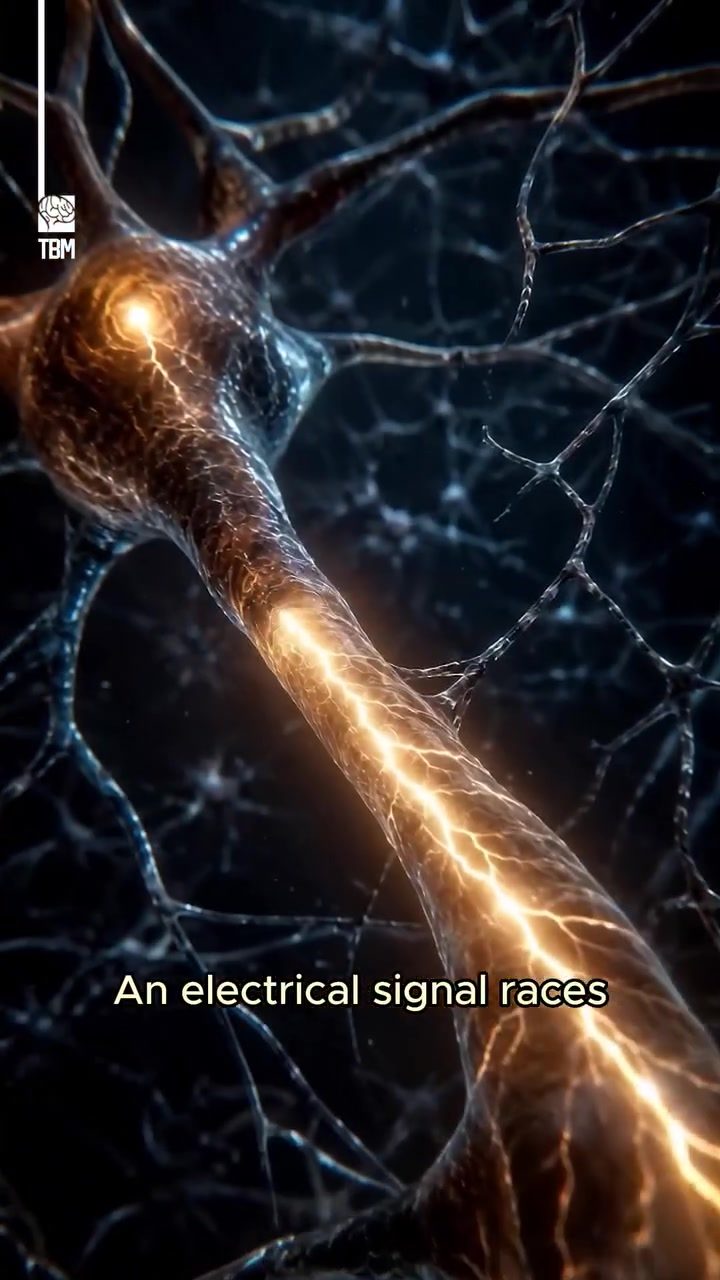
An electrical signal races through a neuron at incredible speed, then suddenly stops. This halt occurs at the end of the neuron, where a tiny gap called a synapse lies. This gap is too wide for the electrical signal to cross on its own. To continue the message, the neuron must switch from electricity to chemistry.
Neurotransmitters: The Chemical Messengers
In a fraction of a second, special molecules called neurotransmitters are released into the synapse. These molecules bind to receptors on the next neuron, restarting the electrical signal and allowing the message to continue its journey. Different neurotransmitters play various roles in the body:
- Dopamine: Involved in motivation and reward processes.
- Serotonin: Helps regulate mood and sleep.
- Acetylcholine: Plays an important role in memory and muscle movement.
Without neurotransmitters, thought, movement, memory, and emotion would be impossible.
The Journey of a Neurosignal
Messages travel between billions of nerve cells through these tiny junctions called synapses. Because neurons do not physically touch each other, they rely on neurotransmitters to carry information across the gap. This process is essential for the brain's overall function and health.
The Importance of Dopamine
Dopamine is one of the most well-known neurotransmitters, often associated with the brain's reward and pleasure centers. It plays a crucial role in motivation and reward processes. When dopamine levels are disrupted, it can lead to various conditions, including Parkinson's disease, depression, and addiction.
Dopamine's role in the brain is complex and multifaceted. It not only influences motivation and reward but also impacts learning, memory, and motor control. Understanding how dopamine functions can provide insights into treating conditions that affect these processes.
Practical Tips for Maintaining Brain Health
Maintaining a healthy brain involves a combination of physical activity, mental stimulation, and a balanced diet. Here are some practical tips to support brain health:
Engage in Regular Physical Activity
Regular exercise has been shown to improve cognitive function and reduce the risk of age-related cognitive decline. Aim for at least 30 minutes of moderate-intensity exercise most days of the week.
Eat a Balanced Diet
A diet rich in fruits, vegetables, lean proteins, and whole grains can support brain health. Foods high in antioxidants, such as berries and leafy greens, can help protect the brain from oxidative stress.
Get Adequate Sleep
Sleep is essential for brain health, as it allows the brain to consolidate memories and repair itself. Aim for 7-9 hours of sleep per night and maintain a consistent sleep schedule.
Stay Mentally Active
Engaging in mentally stimulating activities, such as puzzles, reading, or learning a new skill, can help maintain cognitive function and reduce the risk of age-related cognitive decline.
Manage Stress
Chronic stress can have a negative impact on brain health. Practice stress-reducing activities, such as meditation, deep breathing, or yoga, to support overall brain health.
Important Takeaways
Understanding how neurons communicate is essential for grasping the complexities of the brain. Key takeaways include:
- Synapses and Neurotransmitters: Electrical signals travel through neurons and rely on synapses and neurotransmitters to continue their journey.
- Dopamine's Role: Dopamine is crucial for motivation, reward, and various cognitive processes.
- Brain Health: Maintaining a healthy brain through physical activity, a balanced diet, adequate sleep, mental stimulation, and stress management is essential for overall well-being.
Conclusion
The intricate dance of electrical and chemical signals within the brain allows us to think, feel, and move. By understanding how neurons communicate, we can gain deeper insight into the brain's complex processes and develop effective strategies for maintaining brain health. Whether through regular physical activity, a balanced diet, or mental stimulation, taking care of the brain is crucial for overall well-being.
Watch the Reel
Questions readers ask
What exactly is a synapse and why is it important for brain function?
A synapse is a small gap between two neurons that allows the transmission of signals from one neuron to another. It is essential for brain function because it enables neurons to communicate, facilitating processes like thinking, remembering, and moving. Without proper synapse function, the brain's ability to process information and coordinate actions would be severely compromised.
How do neurons communicate across the synapse?
Neurons communicate across the synapse through a combination of electrical and chemical signals. An electrical signal, or action potential, travels down the axon of a neuron, triggering the release of neurotransmitters into the synaptic cleft. These chemical messengers then bind to receptors on the neighboring neuron, either exciting or inhibiting it, depending on the type of neurotransmitter and receptor involved.
What role do neurotransmitters play in brain cell communication?
Neurotransmitters are chemical messengers that relay signals from one neuron to another. They are released from the presynaptic neuron, cross the synaptic cleft, and bind to specific receptors on the postsynaptic neuron. This binding can either excite or inhibit the receiving neuron, influencing its likelihood of firing an action potential. Examples of neurotransmitters include dopamine, serotonin, and glutamate, each playing a unique role in brain function and behavior.
What happens when the communication between neurons is disrupted?
When the communication between neurons is disrupted, it can lead to a variety of neurological and psychiatric disorders. This disruption can occur due to issues with neurotransmitter release, receptor function, or the overall signaling process. For instance, impaired dopamine signaling is linked to conditions like Parkinson's disease and certain psychiatric disorders.
Can synaptic function be improved or enhanced?
Yes, synaptic function can be improved or enhanced through various means. Certain medications, for example, work by altering neurotransmitter levels or receptor activity. Additionally, lifestyle factors such as physical exercise, mental stimulation, and a healthy diet have been shown to support and enhance synaptic function. These factors promote neuroplasticity, the brain's ability to form and strengthen new connections.
Related deep dives
Similar reads based on topic and creator.




Recent articles
Fresh deep dives from the latest Reels we unpacked.




Comments
Be the first to comment.