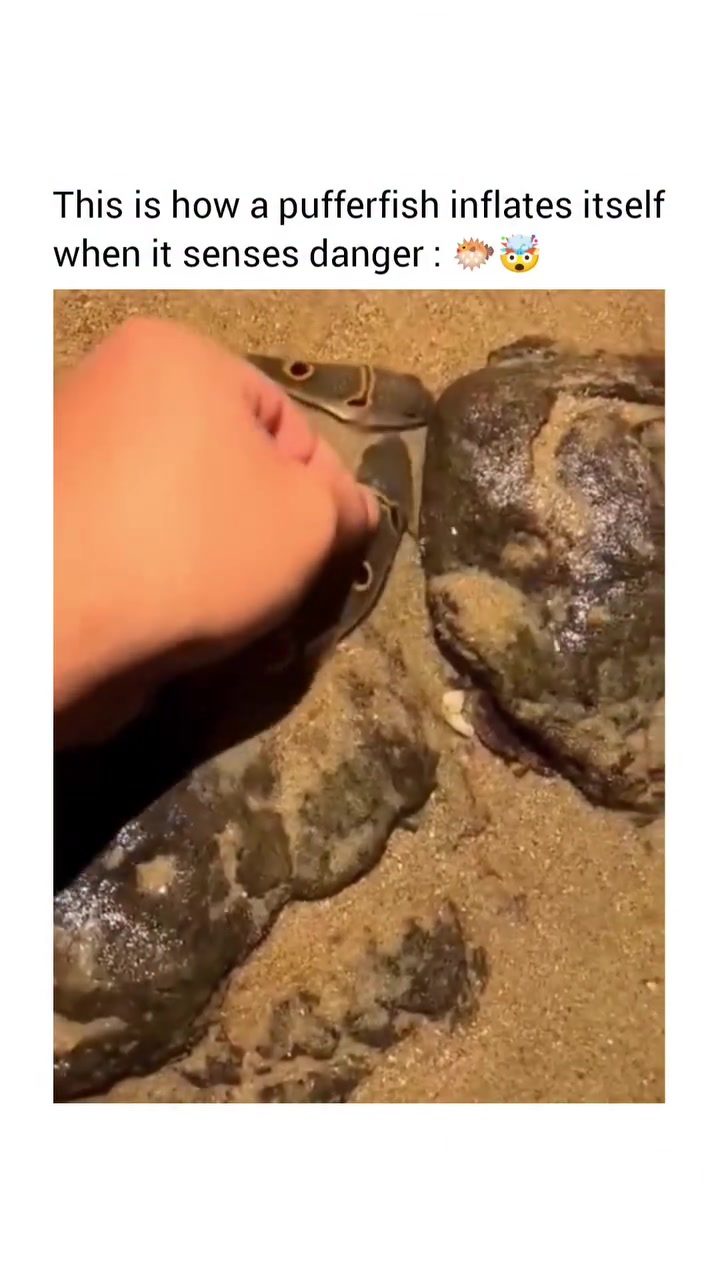
Pufferfish Inflation: A Fascinating Defense Mechanism
Pufferfish inflation is a remarkable defense mechanism employed by these unique marine creatures. When sensing danger, pufferfish rapidly inflate themselves, transforming into a formidable, spiky ball that is difficult for predators to swallow. This adaptation is just one of the many intriguing aspects of pufferfish behavior that make them a subject of fascination for marine biologists and enthusiasts alike.
Why This Matters
Understanding the inflation mechanism of pufferfish provides valuable insights into the fascinating world of marine biology. It highlights the extraordinary adaptations that animals have developed to survive in their natural habitats. By examining this defense mechanism, we gain a deeper appreciation for the complex strategies that marine life employs to evade predators and thrive in their environments.
The Inflation Process
The Trigger: Sensing Danger
The inflation process begins when a pufferfish senses a potential threat. This could be the presence of a predator or any other perceived danger. The fish's response is immediate and dramatic, making it a spectacle to observe.
The Mechanics of Inflation
Upon sensing danger, the pufferfish quickly gulps large amounts of water (or air if out of water) into its highly elastic stomach. This causes the fish's body to expand rapidly, transforming it into a round, balloon-like shape. The process is facilitated by the pufferfish's unique physiology, which includes a highly adaptable stomach and skin that can stretch without sustaining damage. Additionally, special valves prevent the water from escaping until the threat passes.
The Spiny Defense
In species with spines, the inflation process also makes the fish's spines point outward, adding an extra layer of protection. This makes it even more challenging for predators to swallow the pufferfish. Combined with the toxic nature of many pufferfish species, the inflation defense is a highly effective survival strategy.
The Role of Toxicity
Many species of pufferfish contain a powerful toxin called tetrodotoxin, which makes them dangerous to eat. Tetrodotoxin is one of the most potent neurotoxins known to science, capable of causing paralysis and even death in humans. This toxicity, combined with the inflation defense, serves as a form of deterrent for potential predators, making the pufferfish a formidable opponent in the marine ecosystem.
How Pufferfish Inflation Works
Rapid Expansion
The rapid expansion of the pufferfish's body is a sight to behold. Within seconds, the fish can transform from a small, unassuming creature into a large, round, and spiky ball. This transformation is not just visually impressive but also serves a crucial purpose in the pufferfish's survival strategy.
Physiological Adaptations
The pufferfish's ability to inflate itself is made possible by several physiological adaptations. The stomach and skin are highly elastic, allowing them to stretch without tearing. Special valves in the pufferfish's digestive system prevent the water from escaping until the threat has passed. This ensures that the fish remains inflated for as long as necessary to deter predators.
Practical Tips for Observing Pufferfish
If you're interested in observing pufferfish inflation in action, here are some tips to keep in mind:
- Respect Their Space: Remember that pufferfish are wild animals and should be treated with respect. Avoid disturbing them or getting too close, as this can cause stress and potentially harm the fish.
- Use Proper Equipment: If you plan to observe pufferfish in their natural habitat, ensure you have the right equipment. This might include a snorkel, mask, and underwater camera to capture the moment without disturbing the fish.
- Be Patient: Inflation is a natural defense mechanism and may not occur every time you observe a pufferfish. Be patient and give the fish time to react to your presence or any perceived threats.
Important Takeaways
- Effective Defense: Pufferfish inflation is a highly effective defense mechanism that helps these fish survive in the presence of predators. The combination of rapid inflation, outward-pointing spines, and toxicity makes them a formidable opponent.
- Unique Physiology: The pufferfish's unique physiology, including an elastic stomach and skin, specialized valves, and the potential for toxic properties, plays a crucial role in their survival strategy.
- Temporary Nature: The inflation process is a temporary defense mechanism. Once the threat has passed, the pufferfish will deflate and return to its normal state.
Conclusion
The inflation mechanism of pufferfish is a testament to the incredible adaptations that marine life has developed to survive in their habitats. By understanding this process, we gain a deeper appreciation for the complexities of marine biology and the unique strategies that animals employ to thrive in their environments. Whether you're a marine biology enthusiast or simply curious about the natural world, the inflation of pufferfish is a fascinating phenomenon worth exploring further.
Watch the Reel
Questions readers ask
How does a pufferfish inflate its body?
Pufferfish inflate their bodies by rapidly drawing in water or air through their mouths and pumping it into their elastic stomachs. This process expands their body to several times its normal size, creating a rounded, spiky shape that deters predators.
What triggers a pufferfish to inflate?
Pufferfish inflate as a response to perceived threats. When they sense danger, such as the presence of a predator, they quickly initiate the inflation process to make themselves more difficult to swallow and less appealing as prey.
Can all pufferfish species inflate?
Most pufferfish species have the ability to inflate, but the extent and speed of inflation can vary. Some species are more proficient at this defense mechanism than others, with certain species inflating to sizes several times their normal dimensions.
Is the inflated state harmful to the pufferfish?
The inflated state is typically harmless to the pufferfish in the short term, as it is a natural defense mechanism designed to protect them from predators. However, prolonged inflation can be energetically costly and may exhaust the pufferfish, so it is usually maintained only as long as the threat persists.
How long can a pufferfish stay inflated?
The duration a pufferfish can stay inflated varies depending on the species and the level of threat. Generally, pufferfish can maintain their inflated state for several minutes to a few hours, but they will deflate once the danger has passed to conserve energy and return to normal bodily functions.
What happens to the pufferfish's internal organs during inflation?
During inflation, the pufferfish's internal organs are compressed and forced into a tightly packed configuration. The pufferfish's flexible stomach and the arrangement of its internal structures allow it to expand and contract without causing harm to its organs.
Why does inflation make pufferfish less appealing to predators?
Inflation makes pufferfish less appealing to predators by transforming the fish into a spiky, ball-like shape that is difficult to swallow and digest. The rapid size increase and the presence of spines also make the pufferfish a less attractive target, as it can be painful for predators to attempt to consume.
Related deep dives
Similar reads based on topic and creator.

Recent articles
Fresh deep dives from the latest Reels we unpacked.




Comments
Be the first to comment.