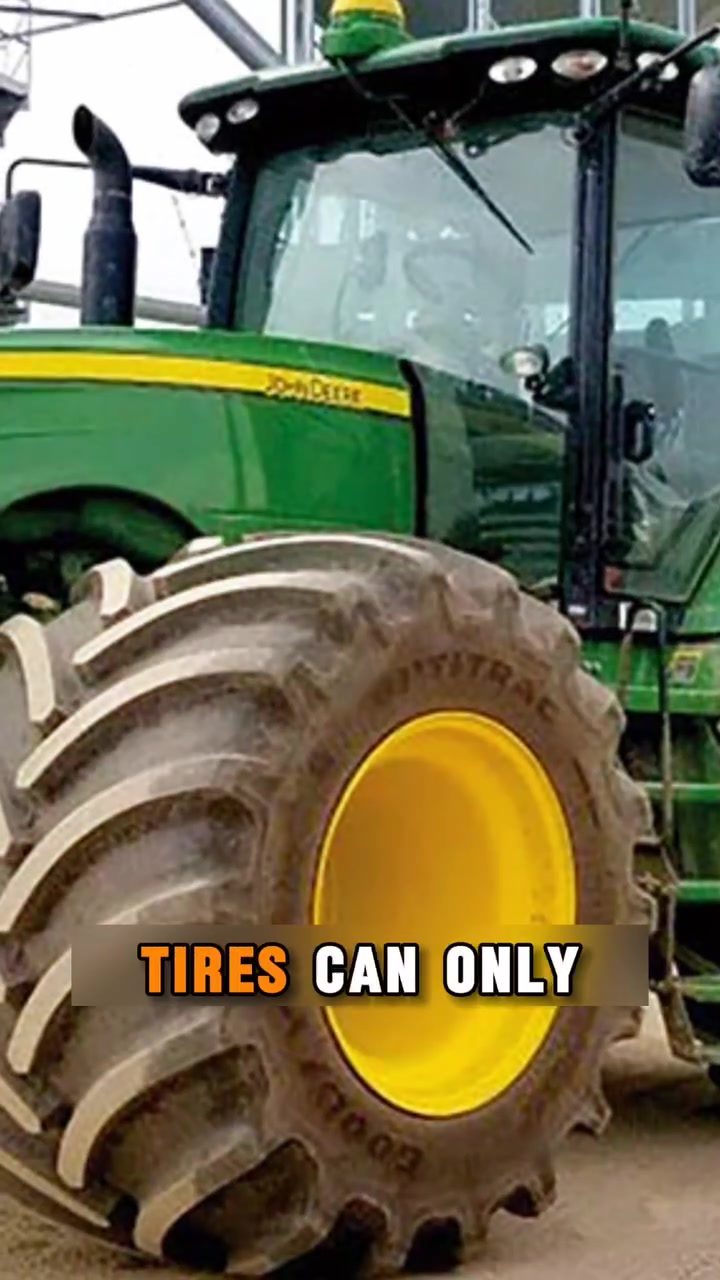
Why Do Farmers Fill Tractor Tires with Water?
Tractors are essential tools for farmers, and their effectiveness can be greatly influenced by various factors, including tire filling. The method of filling tractor tires with water has many practical applications and benefits. This method—often used by farmers—helps tractors to work more efficiently, especially in demanding tasks and harsh conditions.
Why This Matters
The weight and balance of a tractor can significantly impact its performance, especially during heavy-duty tasks like plowing and seeding. Understanding how to optimize these aspects can lead to better results, increased efficiency, and reduced wear and tear on the equipment.
Main Discussion
Tire Weight and Traction
Tractors often have powerful engines, but their bodies are relatively lightweight. This discrepancy can lead to traction issues, particularly during demanding tasks. Filling tractor tires with water can help mitigate this problem.
When tires are filled with water, the tractor gains significant extra weight. This added weight increases the grip between the tires and the ground, which is crucial for tasks that require a lot of traction, such as plowing and seeding. This is especially important in muddy or snowy conditions, where standard tires might lose grip and slip.
Stability and Balance
Water-filled tires also lower the vehicle's center of gravity. This means that tractors are more resistant to rollovers, which is a significant safety benefit. The lower center of gravity contributes to enhanced stability, particularly when navigating uneven or hilly terrains.
Cold-Weather Adaptations
In colder regions, filling tractor tires with water can present a challenge. To prevent the water from freezing inside the tires, antifreeze is commonly added. This ensures that tractors can continue working reliably even in harsh winter conditions, maintaining their performance regardless of the weather.
Practical Tips
Preparing Tires for Water Filling
Before filling tractor tires with water, ensure that the tires are in good condition and free from any damage. It is also essential to use the correct amount of water to achieve the desired weight and balance.
Regular Maintenance
Regularly check the water levels in the tires and refill as necessary. Monitor the antifreeze levels in colder regions to ensure the water does not freeze.
Safety Precautions
Always follow safety guidelines when filling and maintaining water-filled tires. Ensure that the tires are securely fitted and that the tractor is on a stable surface during the filling process. Never overfill the tires, as this can lead to excessive wear and potential failure.
Important Takeaways
- Filling tractor tires with water increases the vehicle's weight, thereby improving traction and stability.
- The lower center of gravity reduces the risk of rollovers, enhancing safety.
- In colder regions, adding antifreeze to the water prevents it from freezing, ensuring reliable operation.
Conclusion
Filling tractor tires with water is a practical and effective method for enhancing the performance and safety of these machines. This approach improves traction, stability, and overall efficiency, making it a valuable technique for farmers and heavy machinery operators.
Watch the Reel
Questions readers ask
What is the primary benefit of filling tractor tires with water?
The primary benefit is improved traction and stability. Water-filled tractor tires provide additional weight and a lower center of gravity, helping tractors maintain better grip and balance, especially in rough or uneven terrain.
How does water ballasting affect tractor tire safety?
Water ballasting enhances safety by reducing the risk of rollovers. The added weight in the tires lowers the tractor's center of gravity, making it more stable and less prone to tipping over, even in challenging conditions.
Can water-filled tractor tires improve performance in heavy-duty tasks?
Yes, water-filled tractor tires can significantly improve performance in heavy-duty tasks. The additional weight helps tractors maintain traction and stability, which is crucial for tasks like plowing and seeding, ensuring reliable operation and better results.
What are the benefits of water ballasting tires compared to other ballasting methods?
Water ballasting is beneficial because it allows for easy adjustment of tire weight. Water can be quickly added or removed to adapt to different tasks or weather conditions, making it a flexible and convenient option for farmers.
How does water-filled tire ballasting impact tractor tire maintenance?
Water-filled tires require careful maintenance. Farmers must regularly check for leaks and ensure the water level is adequate. If the water freezes in cold weather, it can cause tire damage, so proper management is crucial.
Is water ballasting suitable for all types of farming conditions?
Water ballasting is suitable for a wide range of farming conditions, particularly in areas with rough terrain or varying weather. However, farmers in regions with extremely cold temperatures may need to consider alternatives or take extra precautions to prevent water from freezing.
What is the best way to ensure tractor tire safety in challenging conditions?
To ensure tractor tire safety in challenging conditions, farmers should regularly inspect tires, maintain proper tire pressure, and consider water ballasting or other tire weight management techniques. Additionally, driving at appropriate speeds and avoiding steep slopes can help prevent accidents.
Recent articles
Fresh deep dives from the latest Reels we unpacked.




Comments
Be the first to comment.