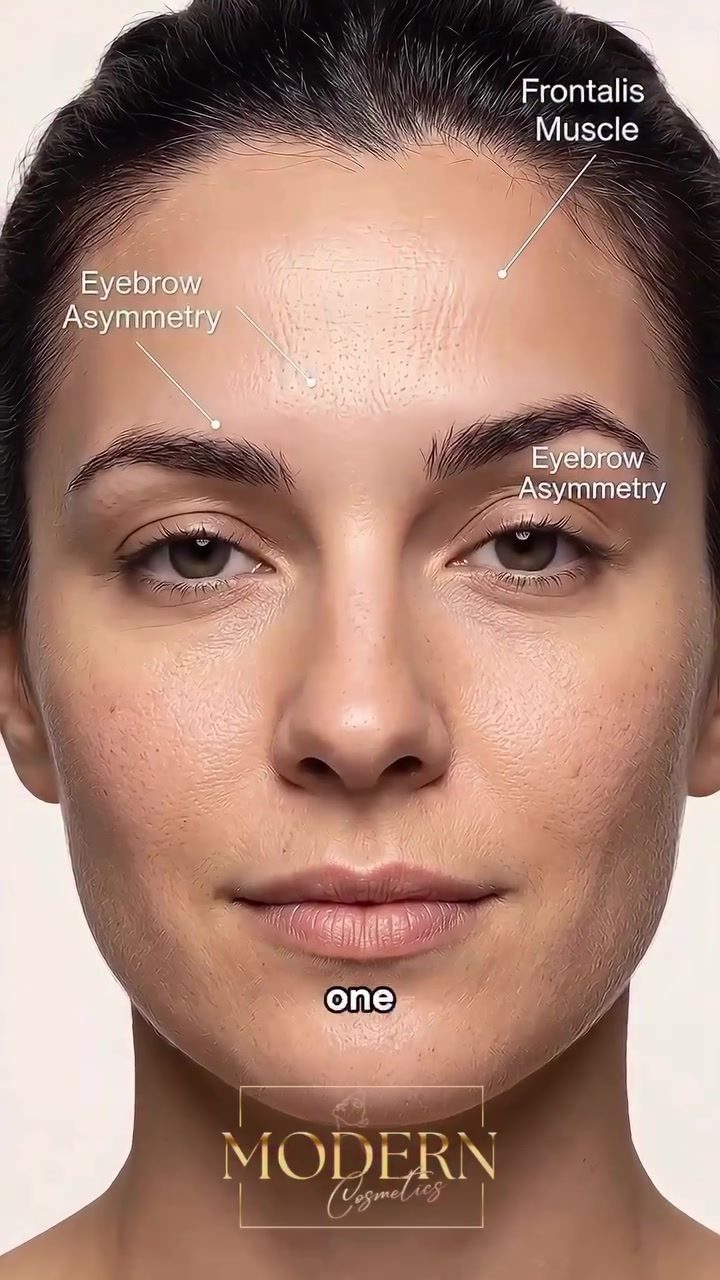
Eyebrow Asymmetry and the Frontalis Muscle: Understanding Facial Anatomy
Ever noticed that one of your eyebrows sits a little higher than the other? This is a common observation and, in most cases, it's perfectly normal. The reason behind this asymmetry lies in the intricate workings of the frontalis muscle, a thin muscle that plays a crucial role in lifting the eyebrows and creating facial expressions.
Why This Matters
Understanding the nuances of facial anatomy can be incredibly beneficial, especially when considering cosmetic procedures. It's essential to recognize that every face is unique, with subtle differences in muscle activity, anatomy, and even facial expressions. These variations are what make each person's face distinct, and they are a fundamental aspect of personalized cosmetic consultations.
Anatomy of the Frontalis Muscle
The frontalis muscle is a thin, sheet-like muscle that covers the front of the forehead. Its primary function is to lift the eyebrows and create various facial expressions. This muscle is part of the larger occipitofrontalis muscle, which also includes the occipitalis muscle at the back of the head. The frontalis muscle is innervated by the temporal branches of the facial nerve, allowing for precise control over eyebrow movement.
Eyebrow Symmetry and Asymmetry
Eyebrow symmetry is a common concern for many people. Ideally, the eyebrows should be evenly positioned and balanced. However, due to the natural differences in muscle activity, it's common for one eyebrow to sit slightly higher than the other. This asymmetry can be more noticeable in some individuals, while in others, it may be so subtle that it goes unnoticed.
The Role of Facial Muscles
Facial muscles play a vital role in creating expressions and conveying emotions. The frontalis muscle, along with other facial muscles, works together to create a wide range of expressions. For example, when you raise your eyebrows in surprise, the frontalis muscle contracts, lifting the eyebrows and creating a distinctive expression.
Common Causes of Eyebrow Asymmetry
Several factors can contribute to eyebrow asymmetry, including:
Natural Muscle Activity
One of the most common causes of eyebrow asymmetry is the natural differences in muscle activity. The frontalis muscle may be more active on one side, causing one eyebrow to sit higher. This is completely normal and does not indicate any underlying health issues.
Anatomy and Bone Structure
The shape and structure of the face can also contribute to eyebrow asymmetry. For example, differences in the shape of the brow ridge or the position of the eyes can affect the appearance of the eyebrows. These anatomical differences are natural and vary from person to person.
Facial Expressions
Facial expressions can also play a role in eyebrow asymmetry. Over time, certain expressions and habits, such as frowning or raising one eyebrow more frequently, can contribute to asymmetry.
Practical Tips
If you are concerned about eyebrow asymmetry, there are several steps you can take to address it:
Consult a Cosmetic Professional
Consulting with a cosmetic professional can help you understand the underlying causes of your eyebrow asymmetry and explore treatment options. Modern Cosmetics, a cosmetic clinic in Sydney, offers personalized consultations to help you achieve your desired look.
Natural Remedies and Exercises
There are several natural remedies and exercises that can help improve eyebrow symmetry. For example, facial exercises that target the frontalis muscle can help strengthen and balance the muscle, potentially reducing asymmetry.
Cosmetic Procedures
Cosmetic procedures, such as botulinum toxin injections (e.g. Botox) or surgical procedures like brow lifts, can be effective in treating eyebrow asymmetry. These procedures can help balance the eyebrows and create a more symmetrical appearance.
Important Takeaways
When it comes to eyebrow asymmetry, it's important to remember that:
- Small differences in eyebrow position are normal and do not indicate any underlying health issues.
- Understanding the anatomy and function of the frontalis muscle can help you appreciate the natural variations in your facial features.
- Consulting with a cosmetic professional can provide personalized solutions to address eyebrow asymmetry.
Conclusion
Eyebrow asymmetry is a common and natural occurrence, largely influenced by the frontalis muscle and other anatomical factors. Recognizing and understanding these nuances can help you appreciate the unique features of your face. Whether you choose to address eyebrow asymmetry through natural remedies, cosmetic procedures, or simply embracing your natural features, it's essential to approach the topic with an informed perspective.
Watch the Reel
Questions readers ask
What causes eyebrow asymmetry in most people?
Eyebrow asymmetry is primarily caused by the frontalis muscle, which is responsible for lifting the eyebrows and creating various facial expressions. Differences in muscle activity and anatomy from one side of the face to the other can result in one eyebrow appearing higher than the other.
Is eyebrow asymmetry always a sign of an underlying issue?
In most cases, eyebrow asymmetry is a normal variation in facial anatomy and does not indicate any underlying issues. However, if you notice sudden or severe changes in your eyebrows or facial expressions, it is advisable to consult a healthcare professional.
How does understanding facial anatomy benefit those considering cosmetic procedures?
Understanding facial anatomy, including the role of the frontalis muscle in eyebrow asymmetry, can help individuals make informed decisions about cosmetic procedures. Recognizing that every face has unique features and subtle differences in muscle activity is crucial for setting realistic expectations and achieving natural-looking results.
Can cosmetic procedures address eyebrow asymmetry?
Yes, cosmetic procedures such as brow lifts or neurotoxin injections can help address eyebrow asymmetry by targeting the frontalis muscle and balancing the position of the eyebrows. It is important to consult with a qualified professional to determine the best approach for your specific needs and facial features.
What should I expect during a consultation for a cosmetic eyebrow procedure?
During a consultation for a cosmetic eyebrow procedure, a qualified professional will assess your facial anatomy, discuss your concerns and goals, and explain the available treatment options. They will also provide information on the expected outcomes and potential risks, ensuring you have a clear understanding of the procedure before making a decision.
Why is it important to recognize that every face is unique when considering cosmetic procedures?
Recognizing that every face has unique features and subtle differences in muscle activity is essential for achieving natural-looking results in cosmetic procedures. This understanding helps professionals tailor treatments to each individual's specific needs, ensuring that outcomes are both safe and aesthetically pleasing.
Are there any exercises to reduce eyebrow asymmetry?
While specific exercises targeting the frontalis muscle may help strengthen and tone the muscle, it is important to note that they might not significantly reduce eyebrow asymmetry. Consulting with a professional for personalized advice is recommended, as they can provide guidance on whether exercises or other treatments would be beneficial for your specific case.
Recent articles
Fresh deep dives from the latest Reels we unpacked.




Comments
Be the first to comment.