The FAAV: A New Class of Aerial-Aquatic Vehicles for Ocean Exploration
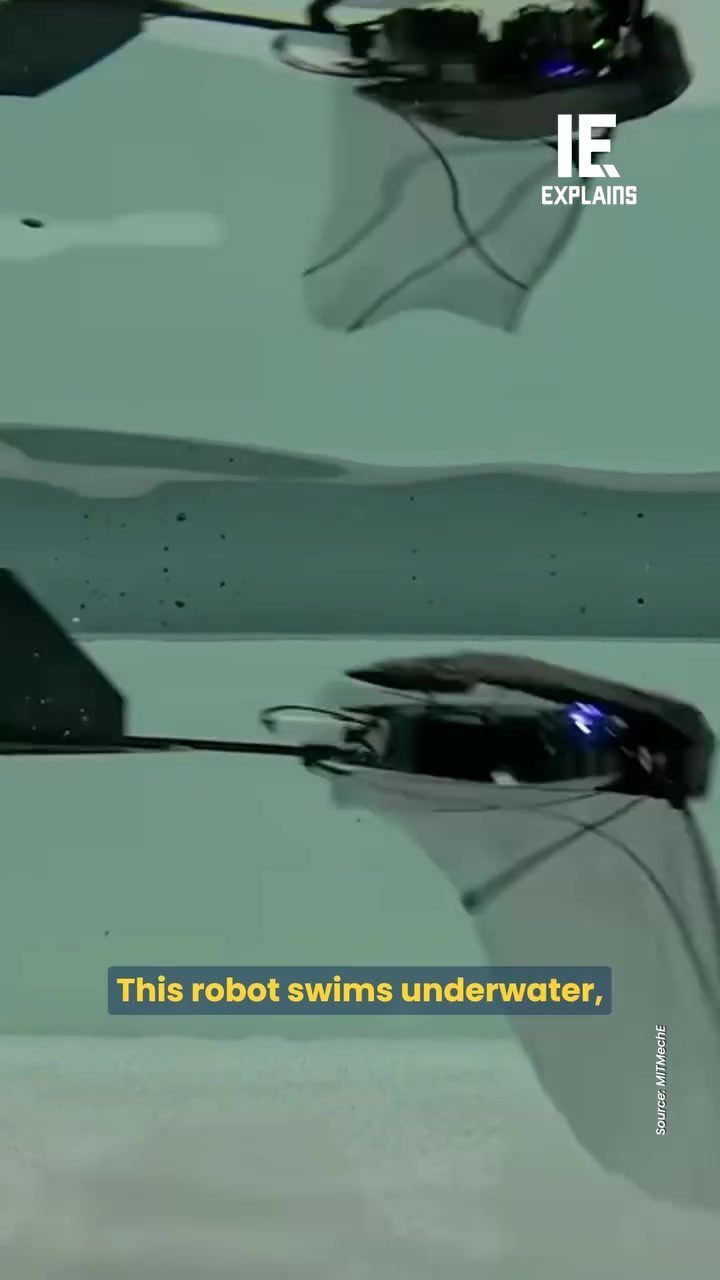
The FAAV (Flapping-Wing Aerial Aquatic Vehicle) is a revolutionary underwater robot designed by engineers at MIT and EPFL. Inspired by diving birds like puffins and loons, the FAAV can swim underwater and then flap its wings to fly through the air, making it a versatile tool for ocean exploration, sampling, and data collection.
Why This Matters
The FAAV represents a significant advance in robotic technology, particularly for marine research. Traditional methods of ocean exploration often involve expensive ships and submarines, which can be limited in their ability to access certain areas, such as those near icebergs or within dense whale pods. The FAAV's unique design allows it to navigate both underwater and aerial environments efficiently, making it a cost-effective solution for collecting samples and gathering data in hard-to-reach locations.
The Design and Functionality of the FAAV
The FAAV is a lightweight robot, weighing under 300 grams, and features several key components that enable its dual-aquatic and aerial capabilities:
Flapping Wings
One of the most innovative aspects of the FAAV is its flexible membrane wings, which are coated with hydrophobic nanoparticles. These wings allow the robot to swim through water and fly through the air with remarkable efficiency. The wings flap about five times per second, providing the necessary propulsion for both environments. This design is inspired by the natural movements of diving birds, which can transition seamlessly from swimming to flying.
Steerable Tail
The FAAV is equipped with a motorized, steerable tail that helps it navigate both underwater and in the air. This tail allows the robot to change direction quickly and maintain stability, whether it's swimming at nearly 1 meter per second or flying at around 6 meters per second.
Hydrophobic Nanoparticles
The hydrophobic nanoparticles on the wings play a crucial role in the FAAV's functionality. These nanoparticles repel water, making the wings more effective in both water and air. This feature ensures that the wings remain dry and functional when the robot transitions from swimming to flying, allowing it to pitch up at exactly 70 degrees to break through the surface without clipping its wingtips.
Testing and Performance
The FAAV has undergone rigorous testing in both controlled environments and natural settings. In a water tank and Lake Geneva, the robot demonstrated its capabilities by swimming at nearly 1 meter per second and flying at around 6 meters per second. These tests showcased the robot's ability to transition smoothly from water to air, making it a reliable tool for ocean exploration.
Practical Tips for Using the FAAV
For researchers and scientists interested in utilizing the FAAV for their projects, here are some practical tips:
Launching the FAAV
The FAAV can be launched from a boat, making it easy to deploy in various ocean environments. Researchers can strategically position the robot to dive near icebergs, ports, or whale pods to collect samples and gather valuable data.
Collecting Samples
One of the most valuable features of the FAAV is its ability to grab samples while underwater. This capability allows researchers to obtain data from hard-to-reach locations, providing insights into marine ecosystems and environmental conditions that were previously difficult to access.
Data Collection and Transmission
After collecting samples, the FAAV can fly back to the launch point and transmit the data. This feature significantly reduces the cost and logistics associated with traditional data collection methods, making the FAAV an efficient and cost-effective tool for ocean research.
Important Takeaways
The FAAV represents a groundbreaking development in underwater robotics, offering a versatile and efficient solution for ocean exploration and data collection. Its unique design, inspired by diving birds, allows it to navigate both underwater and aerial environments with ease, making it a valuable tool for researchers and scientists. The FAAV's ability to swim, fly, and collect samples in hard-to-reach locations offers new possibilities for marine research and environmental monitoring.
Conclusion
The FAAV is poised to revolutionize the field of ocean exploration. With its innovative design and versatile capabilities, this aerial-aquatic vehicle can access areas that were previously difficult or impossible to reach. Whether diving near icebergs, exploring ports, or gathering data near whale pods, the FAAV provides a cost-effective and efficient means of collecting valuable information from the deep. As researchers and scientists continue to develop and refine this technology, the FAAV could lead to a new class of aerial-aquatic vehicles, opening up exciting new avenues for ocean exploration and scientific discovery.
Watch the Reel
Questions readers ask
How does the FAAV differ from traditional marine research tools?
The FAAV stands out from traditional tools like ships and submarines due to its ability to both swim underwater and fly through the air, allowing it to access hard-to-reach ocean locations efficiently and cost-effectively.
What inspired the design of the FAAV?
The FAAV's design was inspired by diving birds such as puffins and loons. These birds have the unique ability to swim underwater and fly through the air, which the FAAV mimics to navigate both environments effectively.
What are the primary benefits of using the FAAV for ocean exploration?
The FAAV's primary benefits include increased flexibility in navigating various ocean environments, cost savings compared to traditional methods, and the ability to collect data in areas that are difficult to access, such as near icebergs or within dense wildlife habitats.
Which institutions developed the FAAV?
The FAAV was developed by a collaborative effort between engineers at the Massachusetts Institute of Technology (MIT) and the École Polytechnique Fédérale de Lausanne (EPFL).
What makes the FAAV a versatile tool for marine research?
The FAAV's versatility comes from its ability to transition between swimming and flying, making it suitable for a wide range of tasks including data collection, sampling, and exploration in diverse ocean environments.
How does the FAAV's design help in reducing research costs?
By combining the capabilities of both aquatic and aerial vehicles into a single, flexible robot, the FAAV eliminates the need for multiple, expensive tools like ships and submarines, thus reducing overall research costs.
What are some of the challenging environments the FAAV can navigate?
The FAAV is designed to navigate challenging environments such as areas near icebergs, dense whale pods, and other hard-to-reach ocean locations, providing researchers with valuable data from these difficult-to-access sites.
Related deep dives
Similar reads based on topic and creator.



Recent articles
Fresh deep dives from the latest Reels we unpacked.




Comments
Be the first to comment.