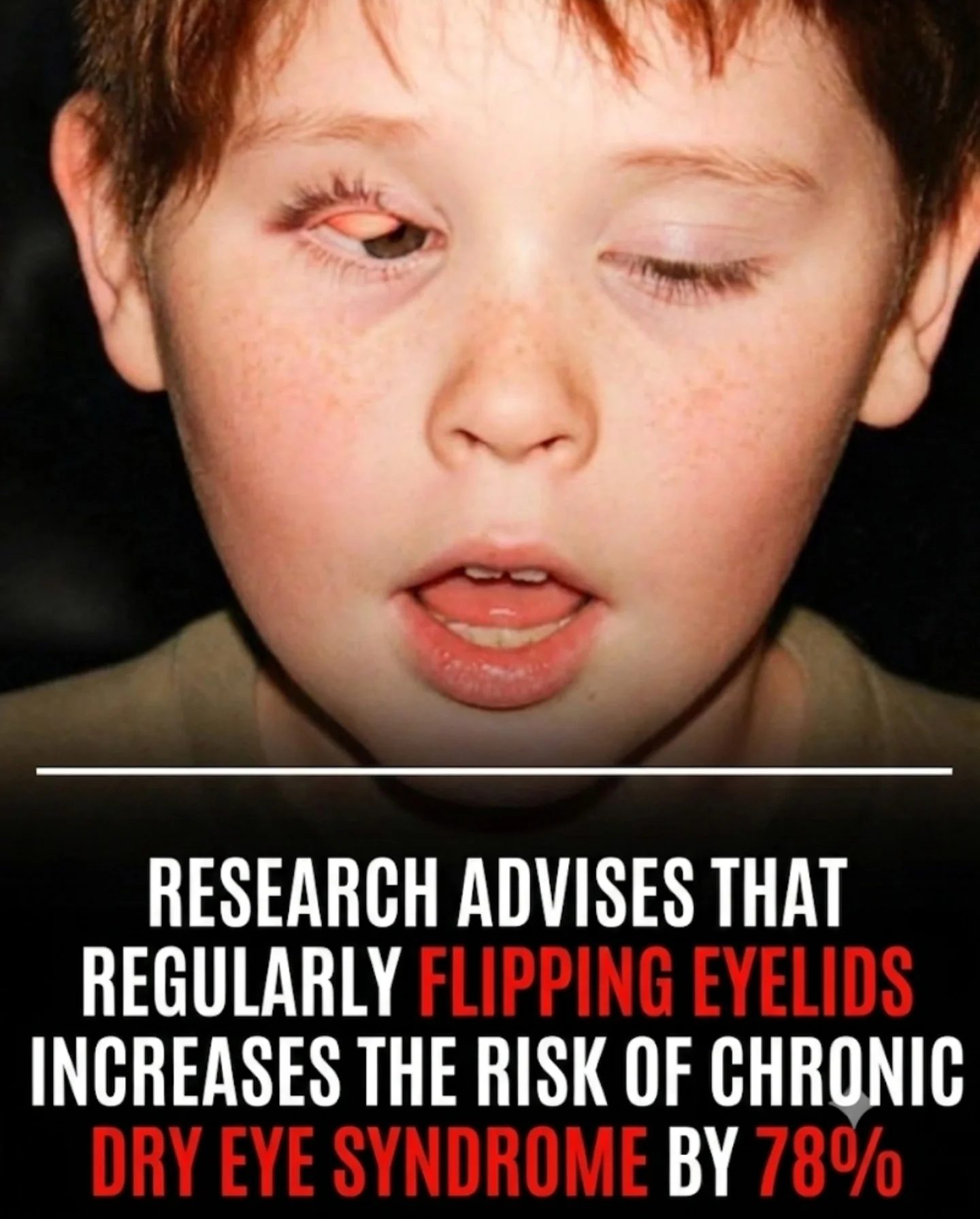
The Eyelid Flip: Separating Fact from Fiction and the Risks Involved
The "eyelid flip" meme has become a popular internet sensation, pairing nostalgic imagery with humorous, fabricated statistics. While the meme is clearly a satirical social media trope, it has raised questions about the potential health risks associated with the act of flipping eyelids. This behavior, medically known as eyelid eversion, is commonly performed by children to entertain or shock their peers. Understanding the real implications of this action can help us address any misconceptions and promote better eye health practices.
Eyes and Eyelids: Understanding the Anatomy
Eyelid eversion involves turning the upper eyelid inside out to expose the inner lining, known as the palpebral conjunctiva. This tissue is highly sensitive and plays a crucial role in maintaining eye health. It helps distribute the tear film across the cornea, ensuring the eye remains lubricated and protected from irritants and infections.
The Meme and Its Absurd Claims
One of the most amusing aspects of the eyelid flip meme is its absurd claims. The meme often links this harmless childhood behavior to unrelated adult outcomes, such as criminal behavior. While there is no scientific evidence supporting these claims, the meme serves as a humorous reminder of our shared experiences and the imaginative world of internet memes.
However, it is essential to address the actual risks associated with eyelid eversion. The inner lining of the eyelid is delicate and can be easily irritated or damaged. Repeatedly exposing this tissue to open air or handling it with unwashed hands can introduce foreign bacteria and disrupt the ocular surface. This disruption can lead to various eye health issues, including conjunctivitis (pink eye) and micro-abrasions on the cornea.
Chronic Dry Eye Syndrome: The Real Risk
Research advises that regularly flipping eyelids can increase the risk of chronic dry eye syndrome. This condition occurs when the eyes do not produce enough tears or when the tears evaporate too quickly. Chronic dry eye syndrome can cause discomfort, redness, and even vision problems if left untreated. The act of flipping the eyelid can compromise the elasticity of the tarsal plate, the rigid structural component of the eyelid, which can exacerbate issues like floppy eyelid syndrome and destabilize tear distribution.
Chronic dry eye syndrome is a serious condition that can significantly impact a person's quality of life. Symptoms may include:
- A stinging, burning, or scratchy sensation in your eyes
- Stringy mucus in or around your eyes
- Sensitivity to light
- Eye redness
- A sensation of having something in your eyes
- Difficulty wearing contact lenses
- Difficulty with nighttime driving
- Watery eyes, which may seem counterintuitive, but can occur as a response to irritation
- Temporary blurred vision, typically improving with blinking
Practical Tips for Preventing Eye Health Issues
Maintaining good eye health involves several practical tips that can help prevent issues related to eyelid eversion and other potential eye problems. Follow these guidelines to keep your eyes healthy and comfortable:
1. Practice Good Hygiene
Always wash your hands before touching your eyes or performing any eye-related activities, such as applying makeup or inserting contact lenses.
2. Avoid Excessive Eyelid Manipulation
While the occasional eyelid flip may not cause significant harm, frequent or aggressive manipulation can lead to eye irritation and other issues. Avoid flipping your eyelids as a habit and encourage children to do the same.
3. Use Eye Drops
If you experience dryness or irritation, consider using over-the-counter eye drops to lubricate your eyes. Consult an eye care professional before using any eye drops, especially if you wear contact lenses.
4. Stay Hydrated
Drink plenty of water to maintain overall hydration, which can also benefit your eye health.
5. Protect Your Eyes
Wear sunglasses and other protective eyewear when outdoors or engaging in activities that may pose a risk to your eyes, such as playing sports or working with tools.
6. Regular Eye Check-ups
Schedule regular eye check-ups with an eye care professional to monitor your eye health and catch any issues early.
7. Quit Smoking
Smoking can increase the risk of developing dry eye syndrome and other eye problems. If you smoke, consider quitting for the sake of your eye health and overall well-being.
Important Takeaways
Understanding the potential risks associated with eyelid eversion is essential for maintaining good eye health. While the eyelid flip meme is a humorous social media trope, it serves as a reminder to be mindful of our eye health and the potential consequences of frequent eyelid manipulation.
In summary:
- Frequently flipping the eyelids can increase the risk of chronic dry eye syndrome.
- The inner lining of the eyelid is delicate and can be easily irritated or damaged.
- Maintain good eye hygiene and avoid excessive eyelid manipulation to prevent eye health issues.
- Regular eye check-ups and staying hydrated can help maintain overall eye health.
Conclusion
The eyelid flip meme may be a source of amusement, but it also highlights the need to be aware of the potential risks associated with this behavior. By understanding the anatomy of the eye, the risks of chronic dry eye syndrome, and how to maintain good eye health, you can take proactive steps to ensure your eyes remain healthy and comfortable.
Watch the Reel
Questions readers ask
What exactly is eyelid eversion and why do people do it?
Eyelid eversion is the act of turning the upper eyelid inside out to expose the inner lining. People, often children, may do this to entertain or surprise others, as it's a popular internet meme and social media trope.
Why does eyelid flipping pose a risk to eye health?
Eyelid flipping can cause several eye health issues, including eye irritation, infection, and chronic dry eye syndrome. The inner eyelid is sensitive, and repeated exposure can lead to these complications.
Can regular eyelid flipping lead to long-term eye problems?
Yes, regular eyelid flipping can increase the risk of developing chronic dry eye syndrome and other eye health issues. The inner eyelid is designed to protect the eye, so frequent eversion can disrupt its normal function.
What are the immediate effects of turning the eyelid inside out?
Immediately after eyelid eversion, you might experience eye irritation, redness, or a feeling of having something in your eye. In some cases, it can also cause the eyelid to swell or become infected.
Are there any myths about eyelid flipping that people should be aware of?
One common myth is that eyelid flipping is a harmless trick. In reality, it can lead to serious eye health issues. Another myth is that it's a common childhood behavior, but it's not a recommended behavior in any way.
Can eyelid eversion affect the cornea or tear ducts?
Yes, repeated eyelid eversion can potentially affect the cornea and tear ducts. It can lead to cornea abrasions or dryness, and compromised tear ducts can result in insufficient lubrication and increased risk of infection.
What if I or someone else is experiencing issues after eyelid flipping?
If you or someone else is experiencing discomfort or issues after eyelid flipping, avoid rubbing the eyes and seek advice from a healthcare professional. Prompt action can prevent potential infections or long-term eye health problems.
Related deep dives
Similar reads based on topic and creator.



Recent articles
Fresh deep dives from the latest Reels we unpacked.




Comments
Be the first to comment.