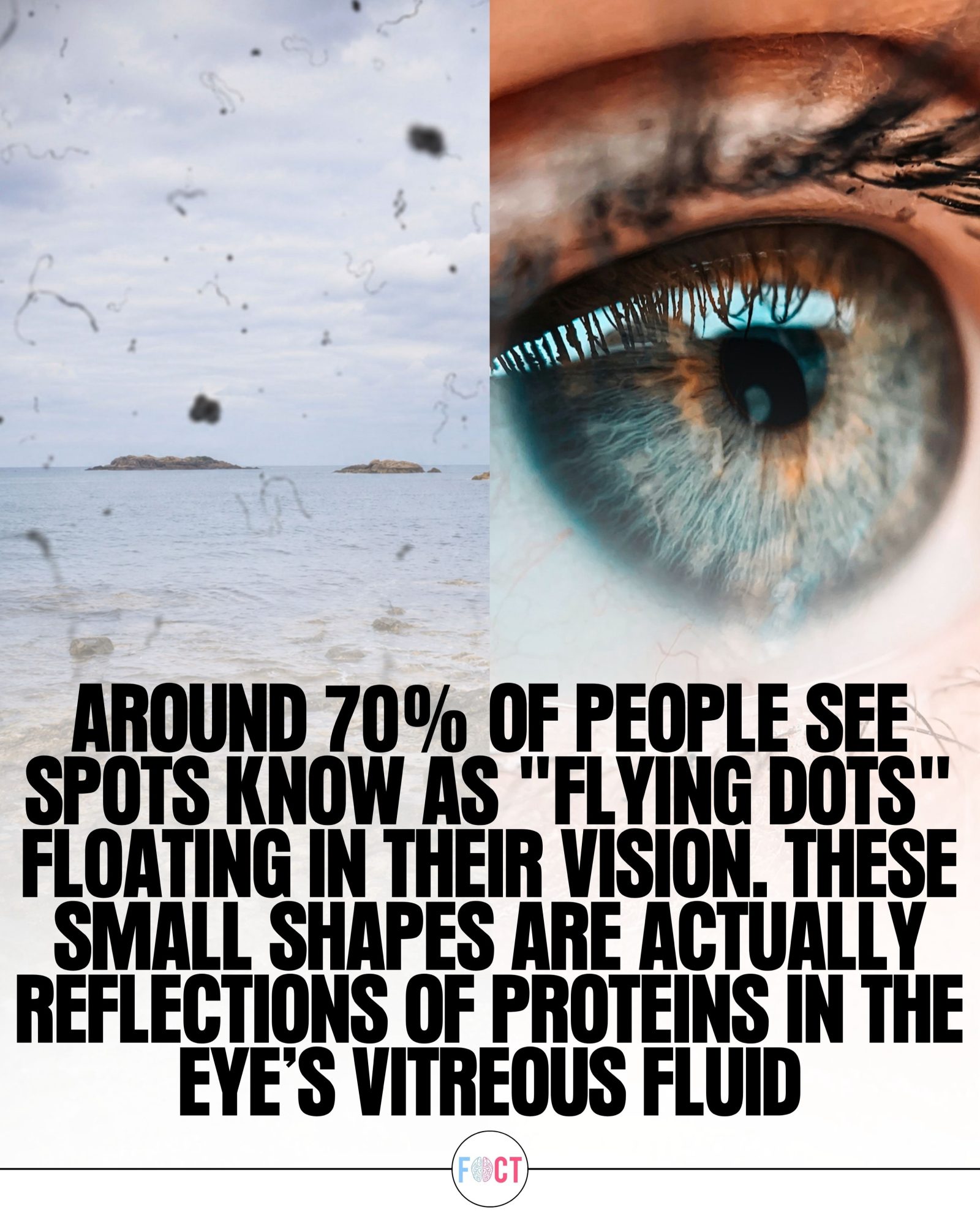
Floating Spots in Vision: Understanding Eye Floaters
Eye floaters, or "flying dots," are a common visual phenomenon experienced by approximately 70% of people. These tiny specks, threads, cobwebs, or dots seem to drift in your field of vision, especially against bright backgrounds like a clear sky or white wall. This article delves into the causes, characteristics, and implications of eye floaters, providing a comprehensive understanding of this ubiquitous experience.
Context / Why This Matters
Eye floaters are more than just a visual nuisance; they can indicate changes in the eye's structure and function. Understanding what causes these spots and when they might signal a more serious condition is crucial for maintaining eye health. Most importantly, recognizing the signs of a potential retinal issue can help prevent vision loss.
Anatomy of Visual Floaters
What Are Eye Floaters?
Eye floaters are small, semi-transparent or opaque particles that cast shadows on the retina, the light-sensitive layer at the back of the eye. These particles are typically clumps of gel or cells within the vitreous humor, the clear, jelly-like substance that fills the eyeball. As the vitreous naturally shrinks and becomes more liquid with age, these floaters can become more pronounced and noticeable.
The Role of the Vitreous Humor
The vitreous humor plays a pivotal role in the structure and function of the eye. It helps maintain the eye's shape and transmits light to the retina. As we age, the vitreous humor can liquefy, causing the collagen fibers within it to clump together and form floaters. These clumps then cast shadows on the retina, resulting in the perception of floating spots.
The Nature of Floaters
Floating spots can manifest in different forms, from tiny dots to larger, more complex shapes. These variations depend on the size and composition of the clumps within the vitreous humor. Over time, most people learn to ignore these floaters, but their presence can sometimes be bothersome, particularly when they interfere with daily activities.
When to Seek Medical Attention
Symptoms to Monitor
While most eye floaters are benign, a sudden increase in their number, especially when accompanied by flashes of light, can signal a more serious condition, such as a retinal tear or detachment. These symptoms require immediate medical attention to prevent potential vision loss. A retinal tear can lead to a retinal detachment if not treated promptly, which can cause permanent damage to the retina and subsequent vision loss. In severe cases, a retinal detachment can result in blindness.
Medical Intervention
If you experience a sudden onset of floaters with flashes of light, it is essential to consult an eye doctor immediately. Diagnosing and treating retinal issues early can significantly improve the chances of preserving your vision. An eye doctor can perform a comprehensive eye examination, including visual acuity tests, dilated eye exams, and possibly optical coherence tomography (OCT) to assess the retina's condition.
Practical Tips
Managing Annoying Floaters
While most people learn to live with floaters, several strategies can help minimize their annoyance. Focus on a distant object and then look away to help disperse the floaters. Blinking frequently can also help clear them from your vision.
When to Worry
Pay attention to changes in your vision. If floaters increase in number, particularly if they are accompanied by flashes of light, seek medical attention immediately. Ignoring these signs can lead to serious complications that may compromise your vision.
Lifestyle and Environmental Factors
Maintaining a healthy lifestyle can support overall eye health, reducing the likelihood of more severe eye issues. Regular eye check-ups, a diet rich in vitamins and antioxidants, and avoiding prolonged exposure to bright sunlight can contribute to optimal eye health.
Important Takeaways
Commonality and Benign Nature
Eye floaters are a common occurrence, affecting approximately 70% of the population. While they are generally harmless, they can be an indication of underlying eye issues.
When to be Concerned
A sudden increase in the number of floaters, especially with flashes of light, warrants immediate medical attention. These symptoms can signal a retinal tear or detachment, which require prompt treatment to prevent vision loss.
Regular Eye Check-ups
Regular eye check-ups are crucial for maintaining eye health. An eye doctor can monitor changes in the eye's structure and function, providing early detection and treatment of potential issues. When it comes to eye floaters, prevention and early intervention are key.
Conclusion
Floating spots in vision, or eye floaters, are a common and usually harmless phenomenon. Knowing the causes and characteristics of these floaters can help alleviate concerns and prompt appropriate action when necessary. Regular eye check-ups and awareness of potential symptoms can ensure the preservation of your vision for years to come.
Watch the Reel
Questions readers ask
What causes eye floaters to appear in one's vision?
Eye floaters appear due to tiny particles or clumps of cells within the vitreous humor, the gel-like substance that fills the inside of the eye. As people age, the vitreous humor can shrink and become stringy, leading to these particles casting shadows on the retina, which are perceived as floaters.
Are eye floaters always a sign of aging?
While eye floaters are often associated with aging, they can also occur due to other factors such as inflammation, infection, or injury to the eye. Additionally, certain conditions like retinal detachment or vitreous detachment can cause floaters and may require immediate medical attention.
What are the key differences between eye floaters and spots in vision?
Eye floaters are typically small, dark, and have irregular shapes. They move around the field of vision and are more noticeable against bright backgrounds. Spots in vision, on the other hand, can be stationary and may be caused by different conditions, such as dry eye or corneal abnormalities.
When should eye floaters be considered a medical concern?
Most eye floaters are harmless, but you should consult a healthcare professional if you experience a sudden increase in floaters, or if they are accompanied by flashes of light, pain, or a loss of peripheral vision. These symptoms can indicate a retinal detachment, which is a medical emergency.
Can eye floaters be treated or prevented?
In most cases, eye floaters do not require treatment and will fade over time. However, if floaters are severe and affect daily life, a procedure called a vitrectomy may be performed to remove the vitreous humor and replace it with a salt solution. There is no known prevention for eye floaters, especially those related to aging.
How can I check if my eye floaters are normal or a sign of a more serious issue?
To determine if your eye floaters are normal, monitor their frequency and appearance. If the floaters appear suddenly, or are accompanied by flashes of light, pain, or a decrease in vision, schedule a comprehensive eye examination with an ophthalmologist. Regular eye check-ups are essential for maintaining overall eye health.
What are some tips for maintaining good vision health and managing eye floaters?
To maintain good vision health, schedule regular eye check-ups, protect your eyes from injury, and manage underlying medical conditions that could affect your vision. If you experience eye floaters, avoid activities that strain your eyes, such as reading in low light. In cases of severe floaters, consult an ophthalmologist for a proper evaluation and recommendations.
Recent articles
Fresh deep dives from the latest Reels we unpacked.




Comments
Be the first to comment.